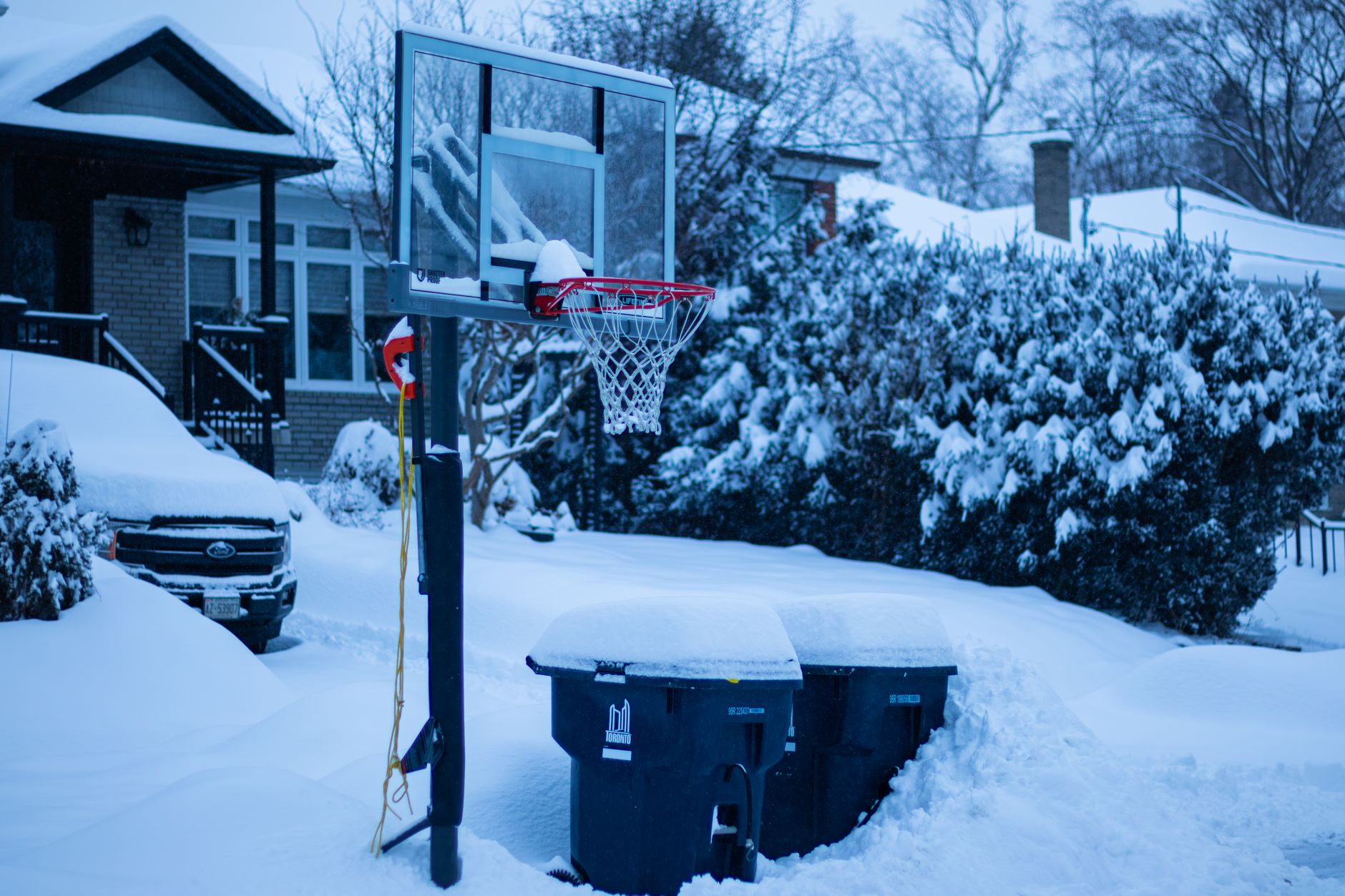
Ontario ice storms are not rare. The 2013 Toronto ice storm knocked out power to about 600,000 customers in the Greater Toronto Area, and some homes stayed dark for days. The 1998 storm left millions in Quebec and Ontario without power for weeks. Freezing rain adds weight to trees and power lines. Branches snap and lines fall. A few hours of freezing rain can turn a normal winter day into a multi-day emergency. The time to prepare is before the storm, not after the lights go out. This checklist starts with the equipment you actually need and works through safety. See best portable generators 2026 and whole-house battery backup for the main options.
The biggest risk in an ice storm outage is not cold. It is carbon monoxide and electrocution. The Electrical Safety Authority says portable generators must stay outdoors, away from windows and doors. Ontario homeowners must never connect a generator to a panel without the proper transfer switch. This guide follows Ontario code and safety rules. It also uses CSA and Health Canada guidance. You do not need to be an electrician to prepare. You do need to know where the risks are.
Not every home needs a large gas generator. A portable power station can run a CPAP, Wi-Fi router, LED lights, and a small fridge without noise or exhaust. But a furnace blower, well pump, or sump pump usually needs a gas or propane generator. Choosing the wrong size leads to spoiled food or a dead furnace when you need it most. Start with a load audit, not a brand. That keeps the decision grounded in watts and runtime.
Ice storm outages in Ontario can last 24 to 72 hours or longer. That changes the planning. You need food, water, heat, fuel, and a way to communicate. The stats on outage length and generator ownership in emergency power statistics 2026 show why a little planning helps. This guide lays out eight steps. Each step builds on the last, from load calculation to monthly testing. Follow it and you will have a practical home backup plan, not just a pile of gear.
What You’ll Need
- CSA 6.19-certified CO alarm
- 12-gauge outdoor extension cord
- fuel stabilizer
- manual transfer switch or interlock
- watt meter
- battery radio
How Do You Prep for an Ontario Ice Storm Power Outage?
- List your essential loads before buying anything
Start with the things you cannot lose: fridge, furnace blower, sump pump, well pump, medical devices, and a few lights. A fridge runs at 600 to 800 watts but can draw 2,200 watts when the compressor starts. A furnace blower often needs 600 to 800 running watts. A sump pump may need 1,200 to 2,000 starting watts. A well pump can need 2,500 starting watts or more. Write these numbers down before you buy anything. Use how to size a generator for your home if you are not sure.
Do not just add the running watts. Many motors have a startup surge called inrush current. If your generator cannot cover the surge, the fridge or pump will not start. A simple rule is to add the highest starting watt figure to the running watts of everything else that starts at the same time. Then add 20 percent margin. This gives you a realistic generator or power station target.
If a medical device is part of the load, make it the first priority. A CPAP, oxygen concentrator, or home dialysis machine may not draw much power but cannot lose it. See emergency power medical equipment for exact device planning. Once you know your wattage, you can choose between a gas generator, power station, or whole-home battery in the next step.
- Choose a generator or power station for your load profile
An inverter generator in the 2,000 to 3,500 watt range is quieter and more fuel efficient than a conventional open-frame unit. For example, the Honda EU2200i is rated for 1,800 running watts and 2,200 starting watts. It holds 0.95 US gallons and can run 4 to 8.1 hours per tank depending on load. Check the Honda EU2200i on Amazon. It can run a fridge and some lights. It will not start a large well pump.
If you need a well pump, electric water heater, or larger furnace fan, look at 5,000 to 7,500 watt generators. A 7,500 watt gasoline unit can burn 3 to 4 litres per hour at heavy load. Some models run on propane as well as gasoline. Propane stores indefinitely and avoids carburetor gumming. Compare the trade-offs in propane vs natural gas generator.
For short indoor needs, a portable power station can run a fridge, CPAP, or Wi-Fi router without exhaust. A larger station can handle a refrigerator for several hours. But a power station is limited by battery capacity. A furnace blower or well pump may drain it quickly. See how long power station run refrigerator.
For automatic whole-home backup, a standby generator from Generac, Kohler, or Briggs & Stratton is worth considering. These units run on natural gas or propane and can start automatically. See Generac vs Kohler vs Briggs standby generators Ontario. But they cost more and require a permanent installation. Choose the fuel type you can store safely, then move on to placing the unit.
- Set up the generator outdoors the right way
Place the generator at least 20 feet from your house, windows, doors, and vents. Exhaust must point away from the building. Carbon monoxide can enter through soffits or bathroom fans even if a window is closed. Never run a generator in an attached garage, even with the door open. Health Canada and the CSA Group both warn that open doors do not make garage operation safe. A CSA 6.19 carbon monoxide alarm should be installed outside each sleeping area.
Use heavy-duty outdoor extension cords rated for the current. For a 15 amp load at 50 feet, a 12 gauge cord is the minimum. For longer runs or larger loads, use 10 gauge. Do not run cords through windows or doors where they can be pinched. Coiled cords can overheat, so lay them out fully.
Protect the generator from freezing rain and snow. A generator canopy with open sides is acceptable. A tarp draped over the unit can block cooling airflow and trap exhaust. Operate the generator on a dry surface, and never handle it with wet hands. Ground-fault protection is standard on many portable units.
Before the storm, test the setup in daylight. Practice starting the generator, plugging in a load, and checking the CO alarm. This step connects directly to the electrical panel. If you want to power hardwired circuits instead of extension cords, you need a transfer switch, which we cover next. See generator safety tips for more.

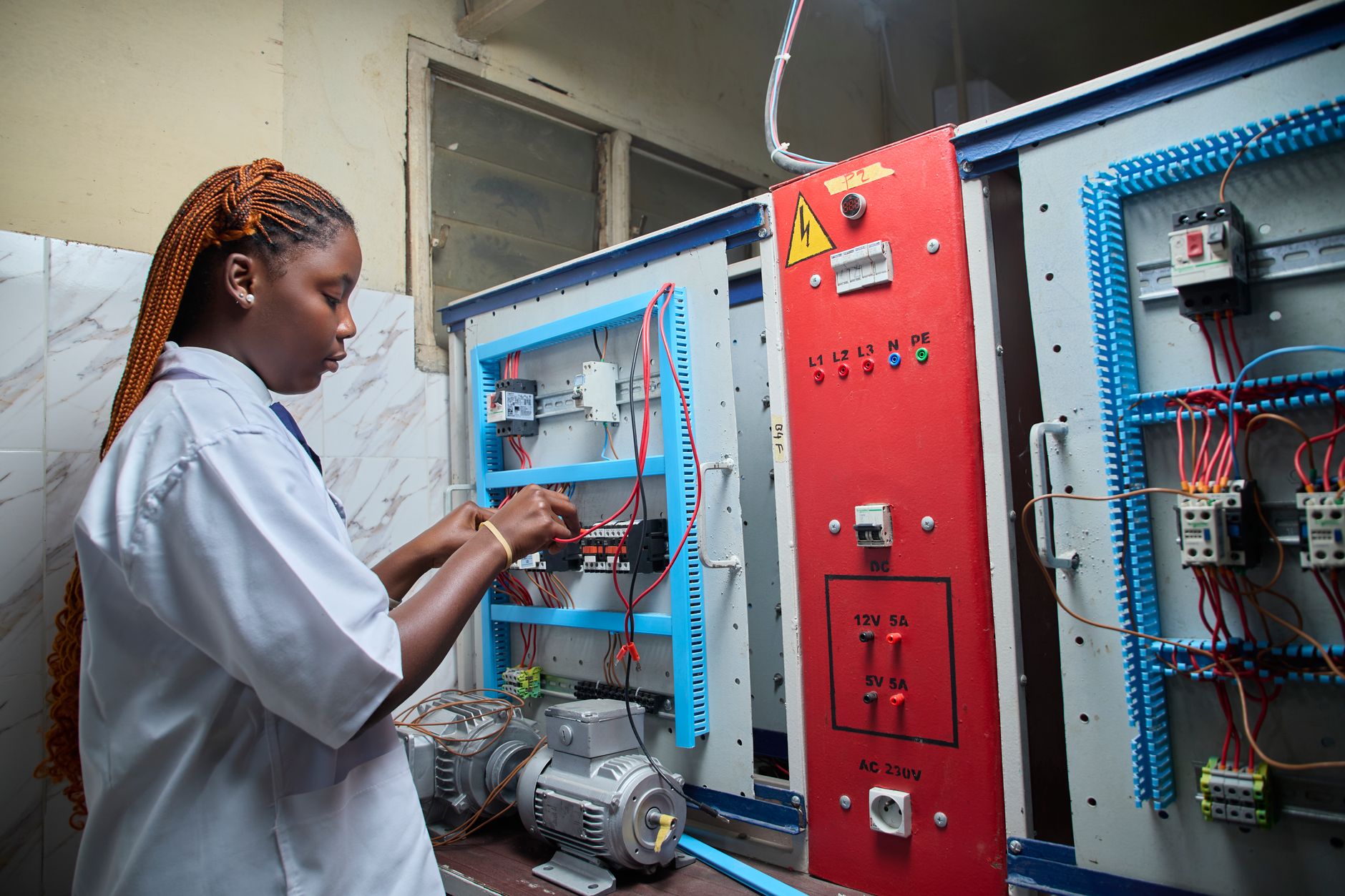
- Install a transfer switch or interlock for panel backup
Never plug a generator into a dryer outlet or any wall receptacle. Backfeeding sends power out to the transformer and can kill utility workers who believe the line is dead. It can also start a fire inside your electrical panel. The Electrical Safety Authority (ESA) requires an approved transfer switch or interlock device installed by a licensed electrician for any permanent connection. You can read Ontario requirements from the Electrical Safety Authority.
A manual transfer switch lets you feed a few selected circuits, such as the furnace, fridge, sump, and a few lights. You start the generator, connect it to the inlet box, and switch circuits over one at a time. An interlock kit lets a portable generator feed most of the panel through a dedicated breaker. Both options keep utility power and generator power separated.
For a standby generator, an automatic transfer switch senses the outage and starts the unit. This is convenient but costs more and requires a gas line connection and a permit. Compare whole-home options in best home backup power 2026. If you only need to run a few things for a day, a portable generator with extension cords avoids panel work entirely. For longer outages, see how to survive week-long power outage.
A licensed electrician will also verify grounding and neutral bonding. Ontario homes have specific code rules. Do not skip the ESA inspection. A proper transfer switch makes the difference between a safe backup and a fire or injury. After the panel is ready, plan fuel and runtime next.
- Plan fuel storage and generator runtime for 72 hours
Assume the power could be out for 24 to 72 hours or more. A 3,000 watt generator at half load may burn 1.5 to 2 litres of gasoline per hour. If you run it 8 hours per day, you need about 12 to 16 litres per day. Store enough stabilized fuel for at least three days. Gasoline goes stale in 3 to 6 months without stabilizer. Propane stores indefinitely and can be a better storm fuel.
Check the engine oil and air filter before the storm. Most portable generators need oil changes every 50 to 100 hours. If you run a generator for days, you may hit that quickly. Read how long can a generator run continuously to avoid shutdowns and overheating.
Cold weather makes starting harder. Use synthetic 5W-30 oil for better cold flow. Keep the generator in a dry place but never inside the home. Ethanol-free gasoline reduces carburetor problems. If you store gasoline, keep it in approved containers in a detached shed or other ventilated area.
Do not refuel a hot generator. Gasoline splashed on a hot exhaust can ignite. Shut the unit down, let it cool for 10 to 15 minutes, and then fill the tank. A funnel reduces spills. Mark fuel cans clearly as generator fuel only. After fueling, wash your hands and keep fuel away from ignition sources.
- Protect food, water, and heat without risky shortcuts
Food safety matters more than you think. Health Canada says a closed refrigerator stays safe for about 4 hours. A full freezer stays safe for about 48 hours, and a half full freezer for 24 hours. After that, check temperatures. If food has been above 4 degrees C for more than 2 hours, throw it out. Use a food thermometer instead of guessing. See how long does food last without power.
Do not use a gas oven, charcoal grill, or camp stove indoors for heat or cooking. They produce carbon monoxide even when the flame looks clean. The same applies to propane camp heaters unless the label clearly says indoor safe. For heat, layer clothing, use sleeping bags, and close off unused rooms. A portable power station can run an electric blanket or heated throw at far less load than a space heater.
If you get water from a well, power loss means the pump stops. Store at least 4 litres of drinking water per person per day. Fill bathtubs and pails for flushing toilets. A generator or battery must be sized for the well pump starting surge. See power well pump outage for specific pump wattage.
Cold weather can freeze pipes. When outdoor temperatures fall below minus 7 C, unheated basements or crawl spaces become risky. Letting a small drip run only works if municipal water is still available. If you have a well and no generator, shut off your main water valve and drain the lowest fixture to reduce freeze damage. Confirm before you do this in a heat-only home. A plumber can help plan for your layout.
- Keep lights, phones, and medical devices online
Light and communication keep a house functional. Replace old bulbs with LED bulbs that use 10 to 15 watts each. A small power station can run several LED lights and a Wi-Fi router for hours. For home office equipment, a UPS for home office keeps the modem and router alive during short flickers. Use a portable power station for longer outages.
Medical devices need explicit runtime planning. A CPAP machine without a heated humidifier may draw 30 to 60 watts. A portable power station with 500 to 1,000 watt hours can run that through the night. Write down the wattage of each device and test the setup before an emergency. See emergency power medical equipment for device-specific advice.
Do not rely only on cell phones. Charging banks, a battery-powered radio, and a printed contact list should be ready. Cell towers may lose power or become congested. Text instead of calling during local outages. A generator or power station can charge phones, but do not waste fuel on phone charging if a power bank works.
Check your home internet. Fibre to the home uses an optical network terminal that may need backup power. Cable and DSL nodes also need AC power. If internet goes down, use a battery radio for emergency alerts. This step leads to testing the full plan before ice arrives.
- Test and maintain your backup plan before the storm
Run your generator under load for 20 to 30 minutes once a month. Do not let it sit with old fuel. Add fuel stabilizer to fresh gasoline and rotate stored fuel every season. Check the oil level, spark plug, and air filter. A generator that starts in the summer may not start in January without proper maintenance. Write the next test date on the unit.
Test your carbon monoxide alarms monthly. Press the test button and replace batteries every year. The First Alert CO605 is a plug-in CO alarm with battery backup. Check the First Alert CO605 on Amazon. Install at least one outside each sleeping area. Hardwired and battery alarms both expire, usually after 7 to 10 years.
Rehearse the actual setup. Start the generator, run a cord to the fridge or transfer switch, and let the family practice. This finds problems before the ice storm. Keep a written card on the generator showing the start sequence, fuel mix, and load limits. Review the plan each fall.
If maintaining a generator sounds like too much, a whole-house battery backup or Tesla Powerwall vs Enphase IQ battery comparison can show automatic options. Batteries do not need fuel or oil changes. But they cost more up front. Either way, testing is the last line of defense.
Red Flags & Warnings
- 🚨 Never run a generator inside a house, garage, or porch. Carbon monoxide is invisible and builds up fast. A CSA 6.19-certified CO alarm sounds within 15 minutes at 400 ppm, but lower levels can still cause headaches and nausea.
- 🚨 Never backfeed a dryer outlet or panel. Backfeeding can kill utility line workers and cause a fire. Ontario requires an ESA-approved transfer switch or interlock installed by a licensed electrician.
- 🚨 Do not overload extension cords. A 12-gauge cord handles 15 amps up to 50 feet. A single 1,500-watt space heater draws about 12.5 amps. Longer runs or bigger loads need 10-gauge cord.
- 🚨 Let the generator cool before refueling. Gasoline vapors near a hot exhaust can ignite quickly. Shut it down and wait 10 to 15 minutes.
- 🚨 Do not use a gas stove, BBQ, or camp heater indoors. They produce carbon monoxide even when the flame looks clean. Use only indoor-rated electric heat on a properly sized backup source.
- 🚨 Treat every downed power line as live. Stay at least 10 metres back and call the local utility. Ice and snow can hide energized lines.
Frequently Asked Questions
How much generator power do I need for an Ontario ice storm?
A fridge and furnace blower need about 1,500 running watts but may require 3,000 starting watts. A sump or well pump pushes the total higher. Size for the highest starting watt figure and add 20 percent. A 3,500 to 5,500 starting watt generator covers many homes, but a well pump may need 7,500 or more.
Can I run a portable generator in my garage with the door open?
No. Exhaust contains carbon monoxide. Even with the door open, CO can collect inside the garage and enter the house. Operate the generator at least 20 feet from doors, windows, and vents with the exhaust pointed away.
How long can I run a portable generator continuously?
Many inverter generators can run 6 to 12 hours on a tank at 25 to 50 percent load. Larger conventional units may run 8 to 10 hours but need oil checks every 8 hours or 50 to 100 hours. Always follow the manual and shut down for refueling and cooling.
What is more dangerous during an ice storm outage: cold or carbon monoxide?
Carbon monoxide poisoning is a leading generator-related fatality risk. It can happen quickly and without warning. Cold is dangerous too, but never bring a generator, grill, or camp stove indoors to stay warm.
Do I need a permit or electrician for a generator transfer switch in Ontario?
Yes. The Electrical Safety Authority requires notification and a licensed electrician for most permanent wiring. You can avoid panel work by plugging appliances directly into a portable generator with heavy-duty extension cords. A home standby generator always needs a transfer switch and permit.
Can a portable power station replace a gas generator during an ice storm?
Yes for small loads such as a CPAP, router, phone, and a dorm-sized fridge. A 1,000 to 2,000 watt hour power station can run a fridge for several hours. For a furnace blower, well pump, or whole-home loads, a gas generator or whole-home battery is more practical.
What Should You Remember?
- Start with an audit: list fridge, furnace, sump, well, and medical loads in starting watts.
- Size for starting watts: a fridge may need 2,200 watts to start but only 600 to run.
- CO safety first: never run a generator indoors or near windows; install a CSA 6.19 CO alarm.
- Transfer switch only: never backfeed; Ontario ESA requires a licensed electrician for panel connections.
- Plan 72 hours of fuel: store enough stabilized gasoline or propane and know your burn rate.
- Food safety is timed: a full freezer holds safe for 48 hours, a half freezer 24, fridge 4 hours.
- Test before the ice: run the generator monthly and change fuel before the storm.
This article is for general information only. Always follow manufacturer instructions, local electrical codes, and hire a licensed electrician for transfer switches and standby generator installation. Carbon monoxide is deadly , never run a generator indoors.