Ontario's grid goes down. Ice storms, summer squalls, aging infrastructure. We help you plan the right backup power system — without guesswork or wasted money.
Calculate Your Power Needs Outage Prep GuideOntario Hydro One customers average 1.5–2 sustained outages per year — but rural customers in Eastern Ontario, Grey-Bruce, and Renfrew County often see far more. Ice storm season (Nov–Mar) and summer storm season (Jun–Aug) are peak risk periods. A proper backup system pays for itself in peace of mind and prevented losses.
Not everyone needs a $25,000 standby system. Before you spend anything, use our guide to size your requirements and understand the tradeoffs.
Calculate wattage requirements for your home's essential circuits — fridge, furnace, sump pump, lights, and more.
Use the Power Calculator →Side-by-side comparison of every major backup power technology. Costs, pros, cons, and which is right for Ontario's climate.
Compare Options →Step-by-step preparedness checklist for Ontario homeowners. What to do before, during, and after an outage.
Read the Guide →Deep-dive guides covering every aspect of home energy resilience in Ontario.
Appliance wattage tables, load calculation method, and right-sizing your generator or battery system.
Read Guide →Full cost breakdown and performance comparison to help you choose the right technology.
Compare Now →Runtime charts for gasoline, propane, and diesel generators. Plan your fuel storage correctly.
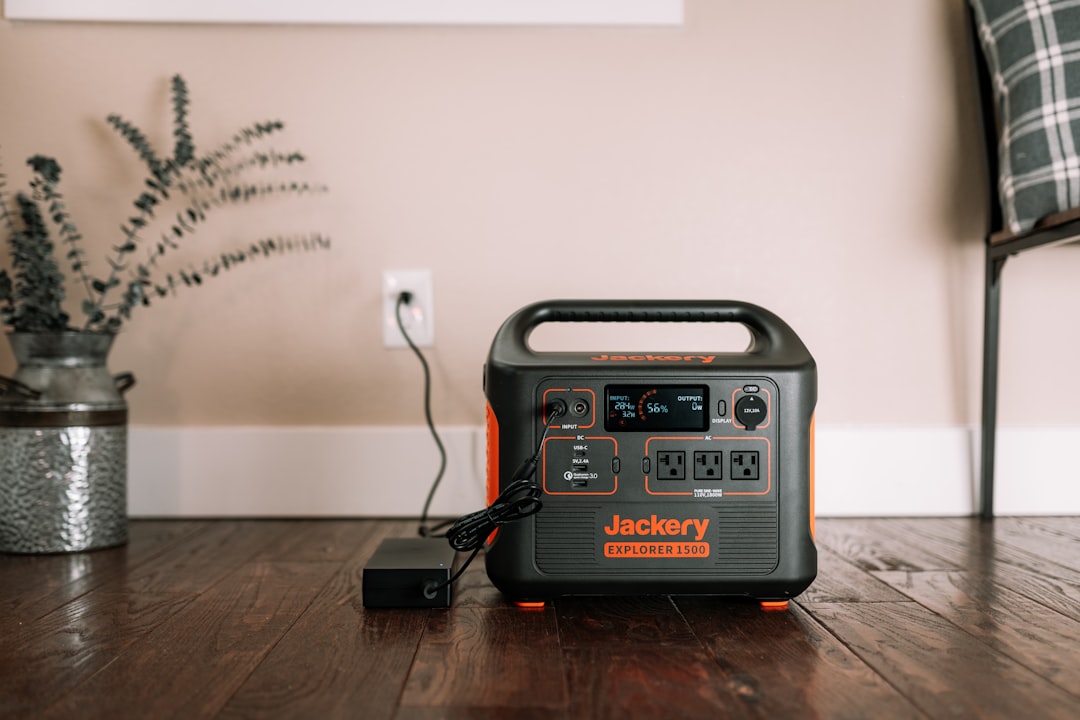
Read Guide →Our top picks for every budget — from $500 portable stations to whole-home standby systems.
See Top Picks →Carbon monoxide risks, Ontario fire code requirements, and safe operating distances.
Read Safety Guide →Net metering, Ontario incentives, payback periods, and honest analysis of solar ROI.
Read Analysis →Well pump wattage requirements, generator sizing, and rural water backup strategies.
Read Guide →Complete checklist and planning guide for Ontario homeowners and rural properties.
Read Guide →Fuel storage, cold-weather performance, and which fuel makes more sense for your property.
Compare Fuels →Real cost breakdowns in CAD for every backup power option — installation, fuel, and maintenance included.
See Cost Guide →Ontario's electrical grid is aging. Hydro One has made significant investments, but rural and suburban customers — especially in areas like Eastern Ontario, Renfrew County, Grey-Bruce, and Kawartha Lakes — continue to experience frequent and prolonged outages.
Backup power has never been more accessible or affordable. A quality portable generator protecting your home's essential circuits costs under $1,500. A whole-home automatic standby system can be installed for $8,000–$15,000. And solar + battery systems are dropping in price every year.
Ontario Hydro One customers average 1.5–2 sustained outages per year at the provincial level, but rural customers — especially in Eastern Ontario and Renfrew County — often experience 5–15+ interruptions annually. Ice storms, summer thunderstorms, and freezing rain are the primary causes.
It depends on your budget and needs. A portable generator ($500–$2,000) covers essentials affordably. A standby generator ($8,000–$15,000 installed) turns on automatically and covers the whole home. A solar + battery system ($15,000–$40,000) provides the most independence. Most Ontario homeowners start with a portable generator and upgrade over time.
No — and this is life-or-death serious. Running a generator indoors (including garages and basements) produces deadly carbon monoxide. Ontario fire codes require generators to operate at least 3 metres from windows, doors, or vents. CO poisoning kills Canadians every year during power outages.
Yes. Connecting a standby generator to your home's electrical system requires an Electrical Safety Authority (ESA) permit and a licensed electrician. Most generator installers handle permitting as part of their service. Never connect a generator to your panel without proper transfer switch installation.
A 3,500–5,000 watt generator covers essential circuits (fridge, furnace blower, lights, sump pump, device charging). A 7,500–12,000 watt unit runs most of the home. Use our power calculator to get a precise estimate for your appliances.