Quick Answer
Most well pumps need 1,000-2,500 watts to start and 500-1,500 watts to run. You'll need a generator with at least 3,000-5,000 watts capacity, a proper transfer switch, and knowledge of your pump's specifications. Always consult a licensed electrician for installation.
For rural Ontario homeowners, losing power means more than just lights and appliances — it means losing access to water. When your well pump stops working, you lose drinking water, sanitation, and fire protection. This guide covers everything you need to know about keeping your well pump running during outages.
Understanding Your Well Pump's Power Requirements
Well pumps have two critical power measurements:
- Starting Wattage (Surge/Locked Rotor Amps): The brief burst of power needed to start the motor — typically 2-3x the running wattage
- Running Wattage: The continuous power needed to keep the pump operating
Common Well Pump Wattage Requirements
| Pump Type | HP | Starting Watts | Running Watts | Depth |
|---|---|---|---|---|
| Submersible (1/2 HP) | 0.5 | 1,500-2,000 | 500-800 | 25-150 ft |
| Submersible (3/4 HP) | 0.75 | 2,000-2,800 | 800-1,200 | 100-250 ft |
| Submersible (1 HP) | 1.0 | 2,500-3,500 | 1,000-1,500 | 150-300 ft |
| Jet Pump (Shallow) | 0.5-1.0 | 1,800-3,000 | 600-1,200 | 0-25 ft |
Step 1: Identify Your Well Pump Specifications
Before buying any equipment, you need to know exactly what you're working with:
Where to Find Pump Information
- Pump Control Box: Usually near your pressure tank — contains model number and specifications
- Well Record: Document from when the well was drilled (required in Ontario)
- Manufacturer's Plate: On the pump motor itself — may require removing the well cap
- Electrician's Assessment: Have a licensed electrician measure actual amperage draw
Step 2: Choose the Right Generator
For well pumps, you need a generator that can handle the starting surge. Here are our recommendations:
Recommended Generators for Well Pumps
🏆 Best Overall: Honda EU7000is
7,000 watts starting / 5,500 watts running — Can handle any residential well pump plus additional household loads. Inverter technology provides clean power safe for sensitive electronics.
Price: ~$5,500 CAD
💰 Best Value: Champion 7500-Watt Dual Fuel
9,375 watts starting / 7,500 watts running — Runs on gasoline or propane. More than enough power for well pumps and essential circuits.
Price: ~$1,200 CAD
🏡 Whole House Option: Generac Guardian 22kW
22,000 watts — Automatic standby generator that powers your entire home including well pump. Requires professional installation.
Price: ~$10,000+ CAD installed
Step 3: Install a Proper Transfer Switch
⚠️ CRITICAL SAFETY WARNING: Never plug a generator directly into a wall outlet ("backfeeding"). This is illegal in Ontario and can kill utility workers.
Transfer Switch Options
- Manual Transfer Switch: ~$300-$800 + installation. You manually switch circuits from grid to generator.
- Automatic Transfer Switch (ATS): ~$1,000-$2,500 + installation. Automatically switches when power fails (used with standby generators).
- Generator Interlock Kit: ~$100-$300 + electrician. Cheaper alternative that uses your existing panel with a mechanical interlock.
Ontario Electrical Safety Code Requirements
- All work must be performed by a licensed electrician
- ESA permit and inspection required
- Transfer switch must be listed for use in Canada (CSA/ULC)
- Generator must be properly grounded
- Carbon monoxide safety requirements for generator placement
Step 4: Fuel Planning for Extended Outages
During Ontario's 2022 derecho and 2023 ice storms, some areas were without power for 5+ days. Plan your fuel accordingly:
Generator Fuel Consumption
| Generator Size | 50% Load | 75% Load | 100% Load |
|---|---|---|---|
| 5,000 watts | 0.4 gal/hr (gas) | 0.6 gal/hr | 0.8 gal/hr |
| 7,500 watts | 0.6 gal/hr | 0.9 gal/hr | 1.2 gal/hr |
| 10,000 watts | 0.8 gal/hr | 1.2 gal/hr | 1.6 gal/hr |
Fuel Storage Safety
- Gasoline: Store in approved containers, maximum 30L per container in Ontario
- Propane: Store cylinders upright outdoors, away from ignition sources
- Diesel: More stable for long-term storage than gasoline
- Stabilizer: Use fuel stabilizer for gasoline stored longer than 30 days
Alternative Solutions for Well Water Backup
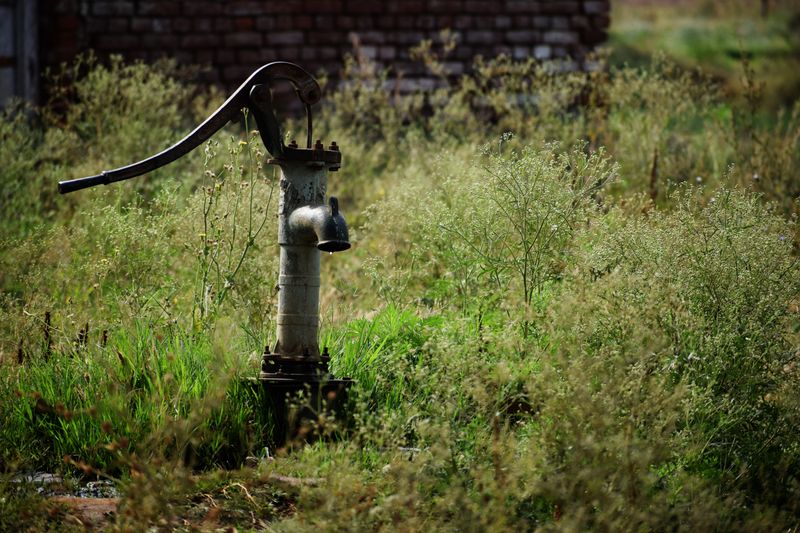
1. Manual Hand Pump
Cost: $300-$800 + installation
Pros: No power required, reliable, low maintenance
Cons: Physical effort, limited flow rate
2. Solar-Powered Well Pump
Cost: $2,000-$5,000 + installation
Pros: Renewable, works during daytime outages
Cons: Requires battery backup for nighttime, higher upfront cost
3. Battery Backup System
Cost: $3,000-$8,000
Pros: Silent, automatic, can integrate with solar
Cons: Limited runtime, expensive for whole-house backup
Ontario-Specific Considerations
Winter Outage Preparedness
- Drain your plumbing system if leaving home during winter outages
- Keep generator fuel treated for cold weather (gas line antifreeze)
- Protect generator from snow and ice accumulation
- Consider a battery tender for generator starting battery
Rural Fire Protection
Many rural Ontario properties rely on well water for firefighting. During extended outages:
- Fill bathtubs and containers with water for emergency use
- Notify your local fire department if you'll be without water
- Consider a portable water tank (tote) for emergency supply
FAQs: Powering Well Pumps During Outages
Related Resources
- Emergency preparedness guides and survival tips Power is one piece — see the full preparedness picture.
Q: Can I run my well pump on a portable power station?
A: Most portable power stations (like Jackery or EcoFlow) cannot handle well pump starting surges. You need a generator with sufficient surge capacity — typically 3,000–5,000 watts for a standard residential pump. The EcoFlow Delta Pro is one rare exception, but a generator is still the more reliable and cost-effective choice for rural water backup.
Q: How do I know if my generator is producing clean power for my pump?
A: Look for inverter generators (Honda, Yamaha) or generators with less than 5% THD (Total Harmonic Distortion). Standard generators produce dirtier power that can stress pump motors over time, though most residential pumps tolerate it fine. If you also run sensitive electronics, an inverter generator is worth the premium.
Q: Can I install the transfer switch myself?
A: No. In Ontario, all electrical work connecting a generator to your home panel must be done by a licensed electrician with an ESA permit and inspection. DIY installation voids home insurance and is illegal under the Ontario Electrical Safety Code.
Q: How often should I test my backup system?
A: Run your generator under load for 30 minutes monthly to confirm reliable starts and fresh fuel. Have a licensed electrician inspect the transfer switch and all connections annually — before winter season is the ideal time.
Q: What size generator do I need for a well pump and essential home circuits?
A: For a 0.5 HP pump plus essential circuits (fridge, furnace, lights): 5,000–7,500 watts covers everything comfortably. For a 1 HP pump: size up to 7,500–9,000 watts to handle simultaneous loads. See our Power Calculator for your specific appliance load.
Next Steps for Ontario Homeowners
- Identify your pump specifications — check the control box or well record
- Consult a licensed electrician — get quotes for transfer switch installation
- Choose appropriate equipment — generator with 1.5-2x your pump's starting wattage
- Develop a fuel plan — store enough for at least 72 hours of runtime
- Practice your procedure — know how to safely connect and operate your backup system
For authoritative guidance on backup power and rural water systems, see the U.S. Department of Energy, the EPA, Ready.gov, and the National Renewable Energy Laboratory (NREL). Ontario-specific electrical requirements are governed by the Electrical Safety Authority (ESA).
Need help sizing equipment for your Ontario home? Use our backup power calculator or consult a licensed electrician familiar with rural Ontario properties.
Disclosure: This article contains affiliate links. We may earn a commission if you purchase through our links, at no extra cost to you. We only recommend products we believe in.