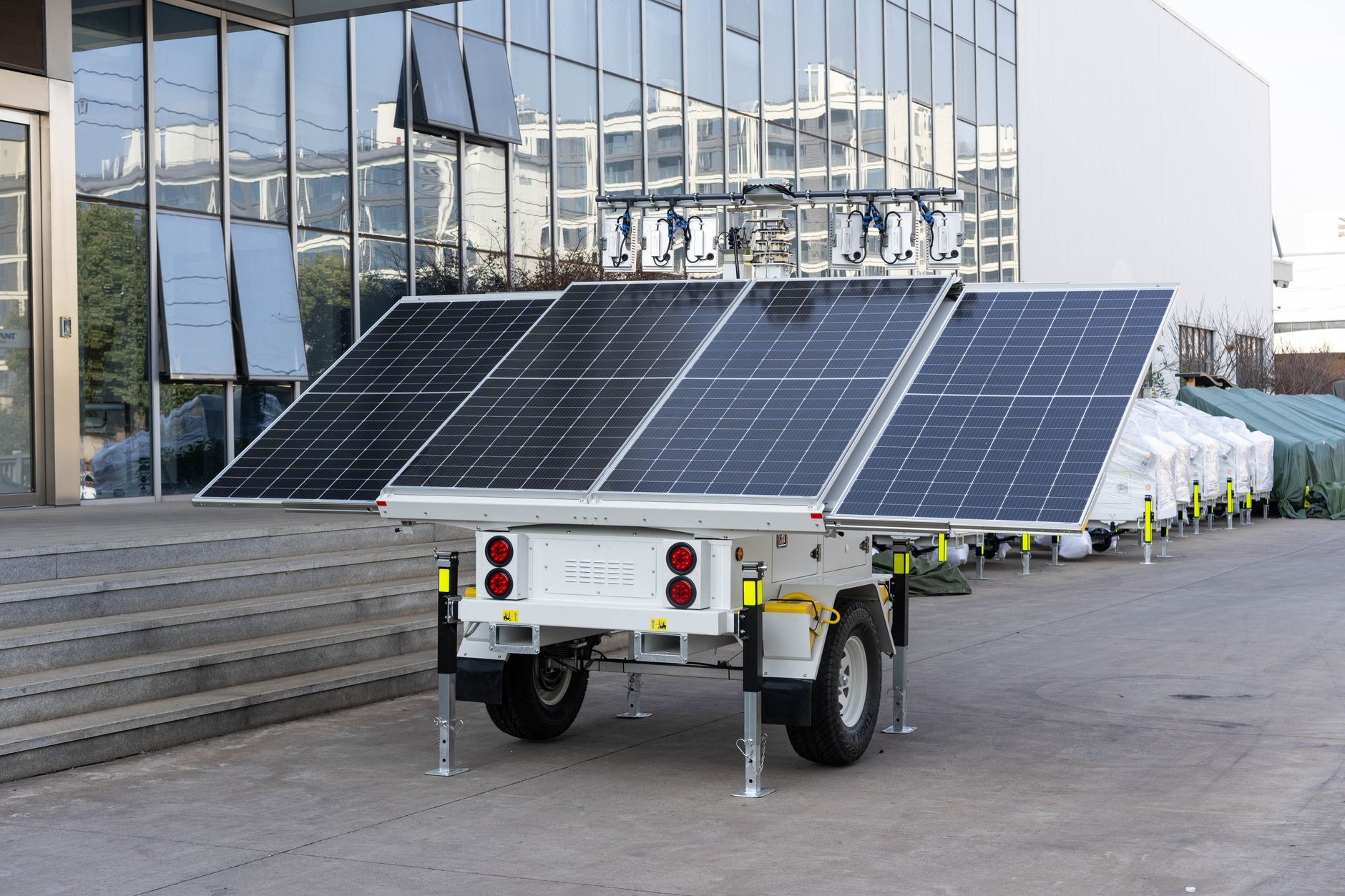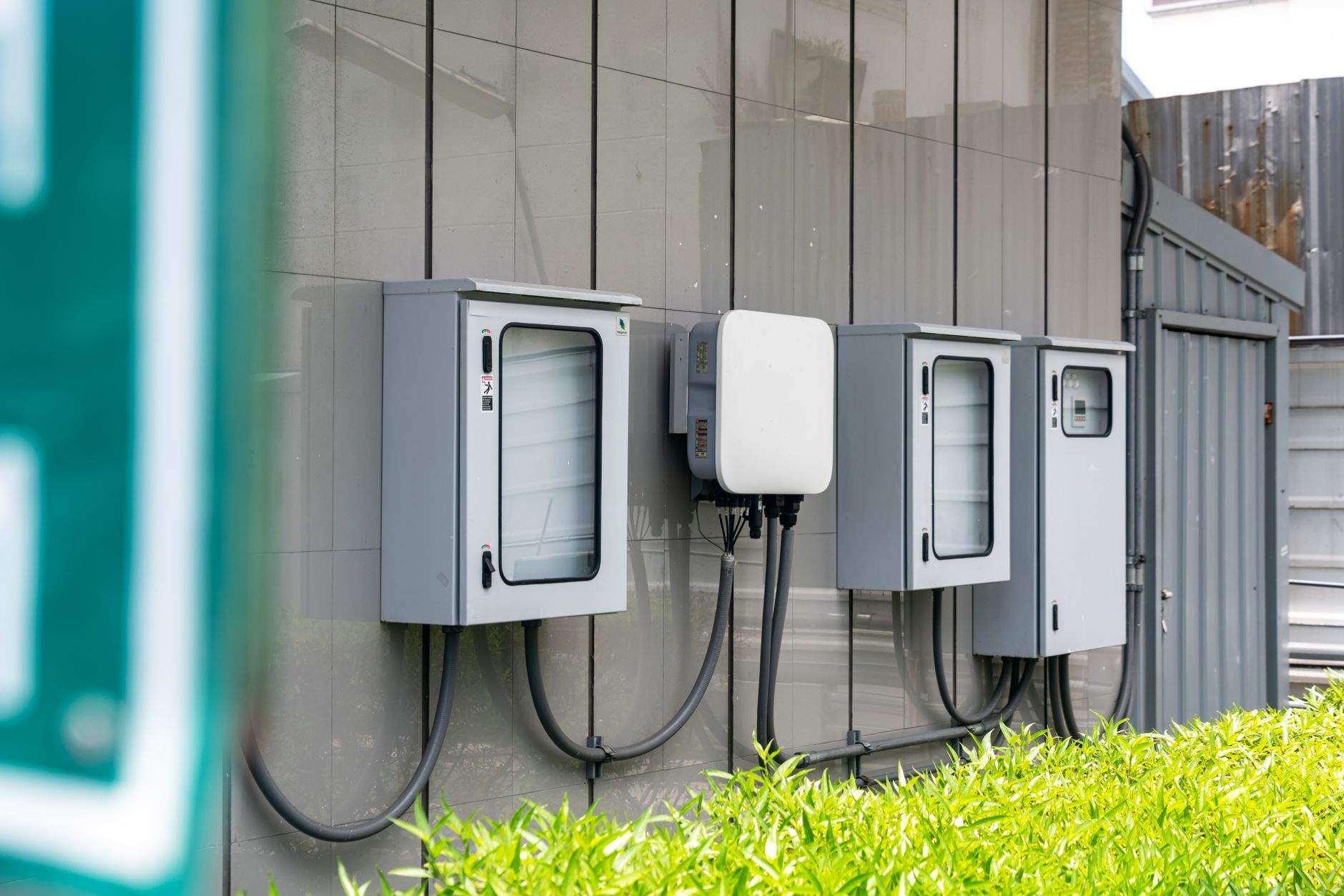
Ontario homeowners are watching outage risks rise as ice storms, extreme heat, and aging grid assets strain local utilities. A whole-house battery backup system can keep your furnace, sump pump, fridge, and communication gear running when the grid fails. According to the EIA, U.S. utility customers averaged about 5.5 hours of electric interruptions in 2023, and Ontario residents face similar weather-driven risks. The three systems most often compared today are the Tesla Powerwall 3, Enphase IQ Battery 5P, and Franklin WH aPower 2. This article breaks down specs, costs, and Ontario installation rules so you can make a clear decision.
Whole-house battery backup differs from a portable power station or standby generator in one important way. The battery sits inside your electrical system and reverses roles automatically within milliseconds when the grid goes down. There is no fuel, no refueling, no loud engine, and no exhaust. It is not a simple plug-in appliance. A licensed electrician must install it with a transfer mechanism and possibly a smart panel. If you are comparing options, best home backup power 2026 explains where batteries fit alongside generators and power stations. The right choice depends on your peak loads, solar plans, and budget.
Powerwall, Enphase, and Franklin each take a different approach to capacity and output. Powerwall leads with high continuous output in a single unit. Enphase uses small 5 kWh modules that stack for flexibility. Franklin combines a 13.6 kWh battery with a strong inverter and generous warranty. But before comparing numbers, understand that Ontario rules require CSA-certified equipment and an Electrical Safety Authority inspection. This guide focuses on practical homeowner decision points, not marketing claims. Use it alongside a licensed electrician’s load calculation.
| Feature | Tesla Powerwall 3 | Enphase IQ Battery 5P | Franklin WH aPower 2 |
|---|---|---|---|
| Usable capacity | 13.5 kWh | 5.0 kWh | 13.6 kWh |
| Continuous output | 11.5 kW | 3.84 kW | 10 kW |
| Peak output | 15.4 kW | 6.14 kVA | 15 kW |
| Round-trip efficiency | About 90% | Up to 96% | About 90% |
| Battery warranty | 10 years | 15 years | 15 years |
| Installed price estimate | Check Tesla Powerwall on Amazon | Check Enphase IQ Battery on Amazon | Check Franklin WH aPower on Amazon |
How Does a Whole-House Battery Backup System Work?
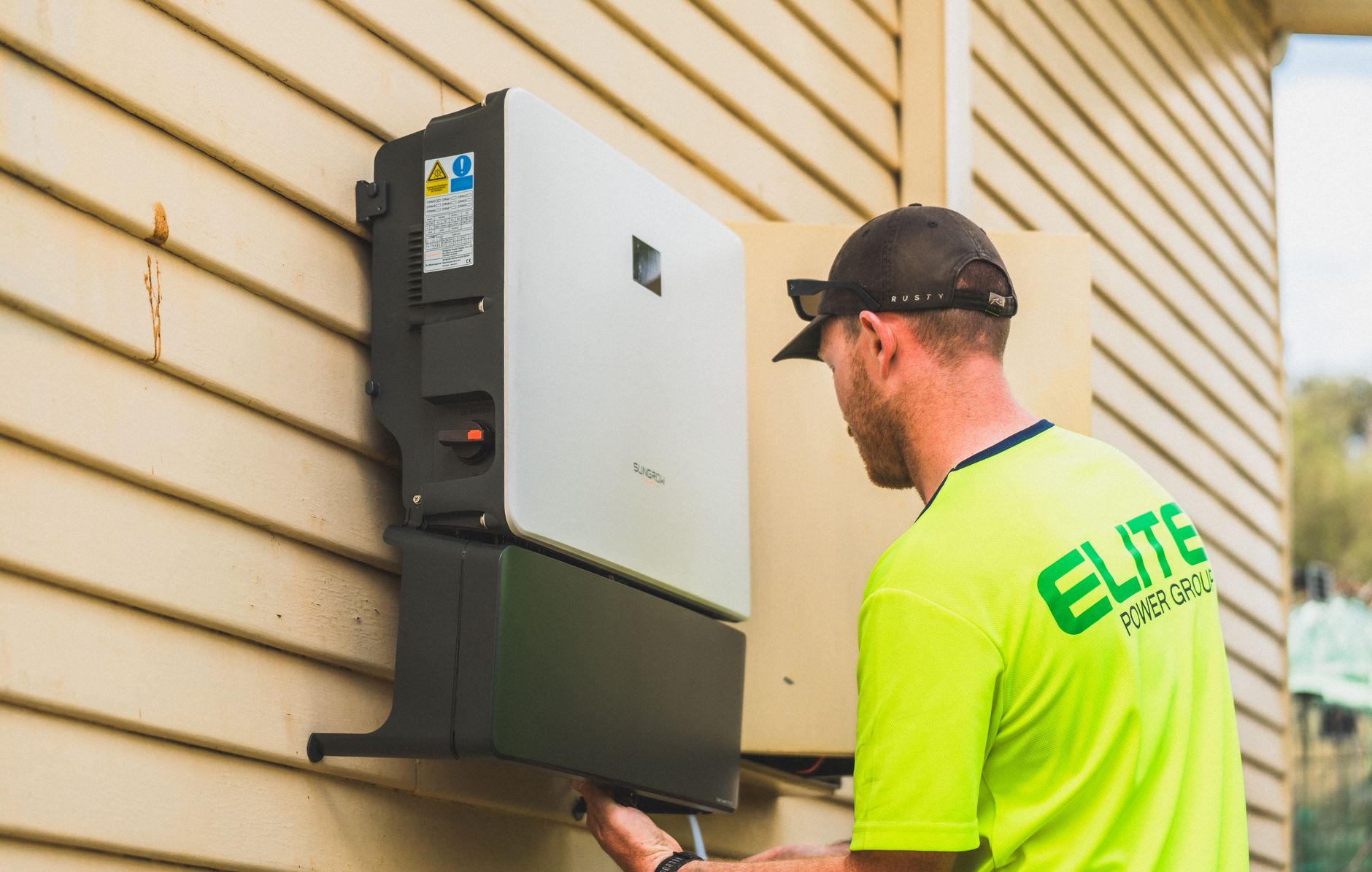
A whole-house battery stores direct current energy and converts it to alternating current through an inverter. When the grid is healthy, the inverter can direct stored energy to offset peak time-of-use electricity rates or keep the battery topped up from solar panels. When the grid fails, a transfer switch or smart panel disconnects your home from the grid and forms a local backup circuit. The battery then powers selected loads or the entire panel. This is different from a portable power station, which you wheel into the kitchen and plug into directly.
Modern units use lithium iron phosphate, or LFP, chemistry. LFP packs run cooler, last longer, and tolerate more daily cycles than older nickel or lithium-ion chemistries. Round-trip efficiency in this class ranges from about 90 percent to 96 percent, meaning you lose only 4 to 10 percent of energy when charging and discharging. The inverter size is just as important as capacity. A 13.5 kWh battery with a 5 kW inverter will not start a large heat pump or an electric range. For Ontario homes, the battery must also be protected from freezing, so installers usually place them in a basement, garage, or utility room rather than outside in cold weather.
What Are the Core Specs for Tesla Powerwall, Enphase IQ Battery, and Franklin WH?
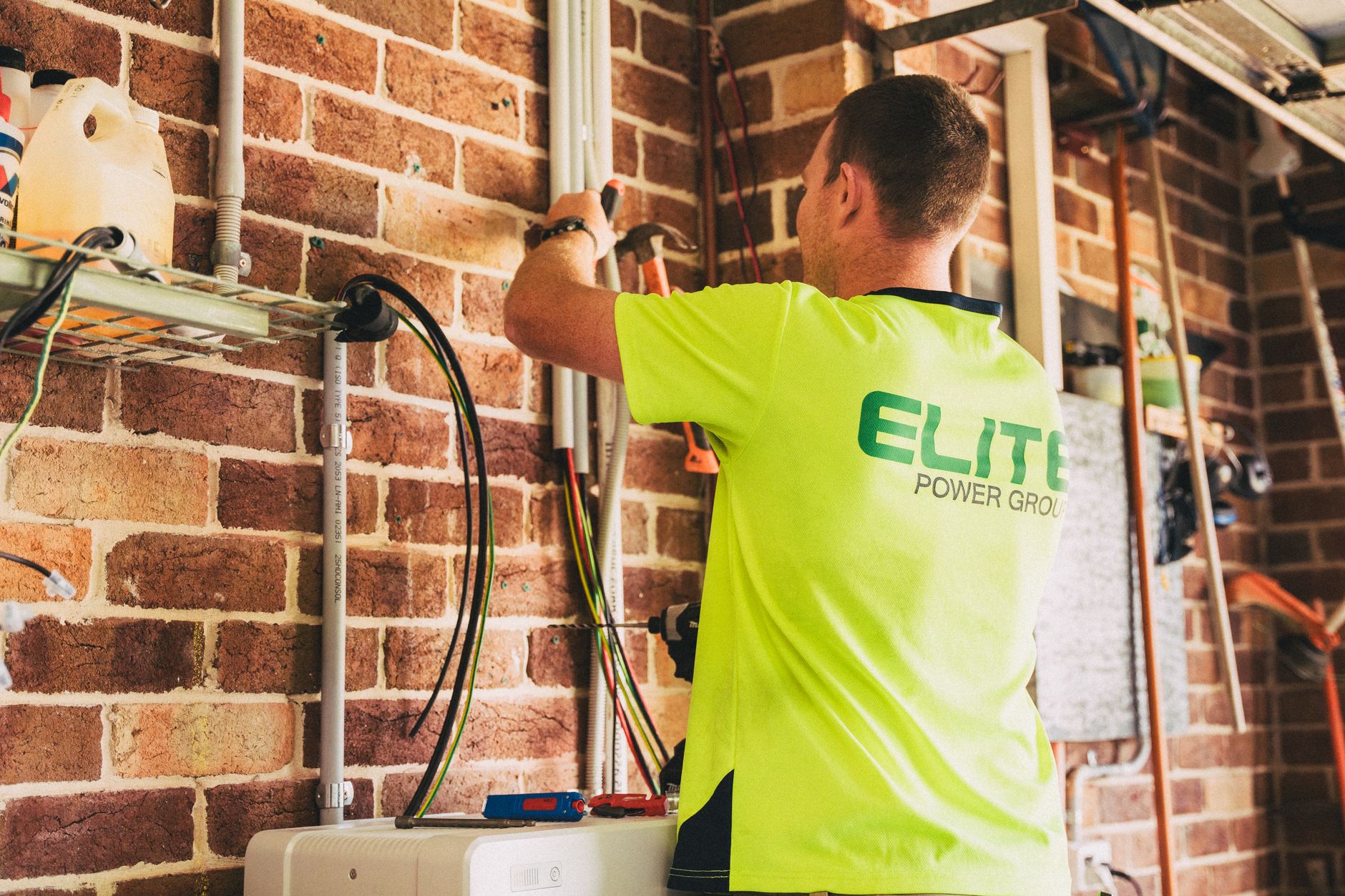
The Tesla Powerwall 3 is a single-phase home battery with 13.5 kWh of usable capacity, 11.5 kW of continuous power, and about 15.4 kW of peak output. This output level matters because it can start and run many 240-volt loads like a well pump, an air conditioner, or a heat pump. Tesla pairs the battery with an integrated inverter and its own monitoring app. For a detailed two-way comparison with Enphase, see Tesla Powerwall vs Enphase IQ Battery.
The Enphase IQ Battery 5P uses a smaller 5.0 kWh usable capacity and 3.84 kW continuous output per unit. Its strength is modular stacking. You can install one to cover a few circuits or stack several to build toward whole-home coverage. Enphase batteries integrate especially well with Enphase IQ8 microinverters and the IQ System Controller. That makes the 5P a natural choice if you already have or plan to install an Enphase solar array.
The Franklin WH aPower 2 provides 13.6 kWh of usable storage and 10 kW of continuous output. Franklin includes a smart energy management panel called aGate, which can manage grid, solar, generator, and battery inputs in one location. The company also backs the battery with a 15-year warranty, one of the stronger coverage terms in this class. The aPower 2 is often selected for whole-home backup when homeowners want high capacity and generator integration without buying two smaller modules.
Which Costs More and What Should Ontario Homeowners Budget?
Installed pricing varies by utility, panel condition, backup scope, and local electrical rates. A single Tesla Powerwall 3 installation in Ontario often lands between $18,000 and $23,000 Canadian before taxes and any utility incentives. A Franklin WH aPower 2 with aGate is typically in a similar range, often $20,000 to $25,000 installed. Enphase IQ Battery 5P pricing starts lower because each unit is smaller. One 5P might run $8,500 to $12,000 installed, but you may need two or three units to match the usable energy of one Powerwall or one Franklin. Use the comparison table for indicative pricing and how to size a generator for your home to understand load sizing. A battery replaces the generator fuel cost but not the need for proper load calculation.
Labor is a significant cost driver. Existing panels may need a service upgrade, a sub-panel, or a transfer switch. Ontario utilities and the Electrical Safety Authority require licensed electrical work and possibly a new meter socket or interconnection approval if you pair the battery with solar. Do not accept a quote that skips inspection or avoids a load calculation. A battery that cannot cover your essential loads is a poor investment. At the same time, oversized systems waste money. A professional load assessment should measure starting surge for motors, pumps, and heat pumps. Check the latest Tesla Energy specifications before finalizing your budget.
Which System Is the Best Fit for Your House?
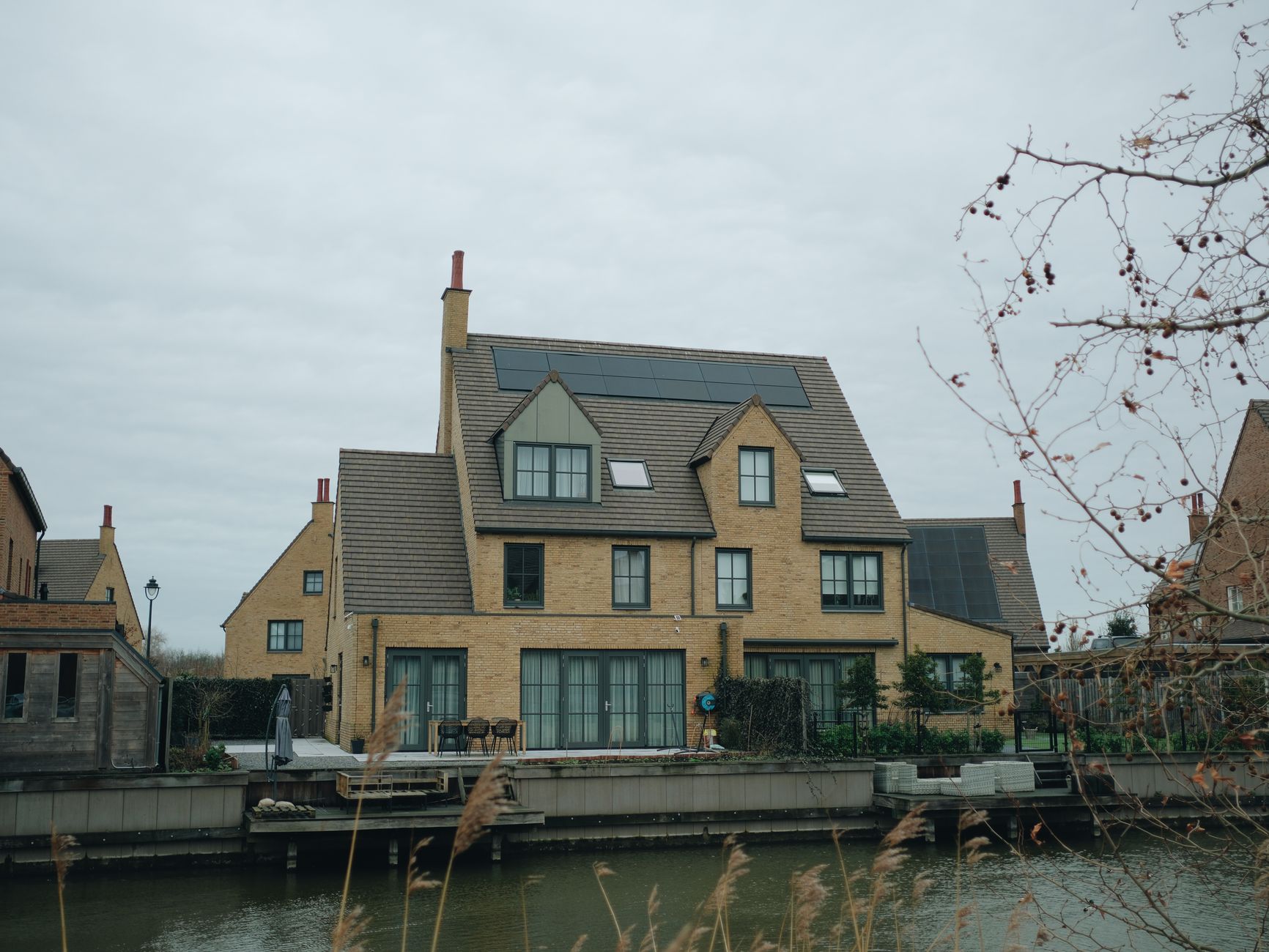
If your home has high-power 240-volt loads, such as a deep well pump, electric water heater, central air conditioner, or heat pump, start with continuous output. The Tesla Powerwall 3 has the highest continuous rating at 11.5 kW and is often the best single unit for demanding whole-home backup. An Enphase system can match that output only when multiple 5P batteries and the system controller are installed. Franklin WH aPower 2 falls between them with 10 kW, which still covers many homes when paired with smart load control.
For solar-first households, Enphase has an advantage because it lives in the same ecosystem as Enphase microinverters. The system can island your home during an outage by forming a microgrid with solar and battery. If you already have Enphase panels, adding one or more IQ Battery 5P units is easier than mixing battery and solar brands. If you use a string inverter or plan to add a generator, Franklin and Tesla both offer strong integrations. See solar panels home backup for more solar pairing guidance.
Warranty and expandability also matter. Enphase and Franklin both offer 15-year warranties for the battery module. Tesla offers a 10-year warranty for Powerwall 3. All three include capacity retention guarantees. Think about whether you can add another battery later. Enphase scales in small increments. Tesla and Franklin scale in larger 13 kWh blocks. For most Ontario homes, two main questions settle the choice: How many kilowatts do you need at once, and how much usable energy do you need overnight?
What Do Ontario Installation, Permitting, and Maintenance Involve?
Ontario treats whole-house battery systems as electrical equipment. You need a licensed electrical contractor to take out a permit and arrange an Electrical Safety Authority inspection. The Electrical Safety Authority is the authority having jurisdiction for most Ontario residential electrical work. The equipment should be certified to Canadian or North American standards such as CSA or UL. Always confirm the exact model is approved for use in Canada. Never attempt a do-it-yourself connection to your main panel. A battery can backfeed the grid and create a severe electrical hazard for utility line workers.
For grid-connected charging and export, your utility may require an interconnection agreement. The process is similar to solar net metering and can take days to weeks. The installer usually handles the paperwork, but you should keep records. The battery itself requires very little maintenance. LFP systems have no water or acid levels. Keep the area clean, dry, and within the manufacturer’s temperature range. Software updates via Wi-Fi or cellular keep the battery management system current. You should also test battery operation twice a year.
Pairing the battery with a generator is allowed, but it adds another layer of transfer switching and control logic. The generator and battery must not feed the panel at the wrong time. Franklin includes generator control through the aGate. Tesla and Enphase also support generator integration through specific configurations. For generator safety rules, see generator safety tips. If you want a deeper emergency plan, read Ontario ice storm power outage prep.
Frequently Asked Questions
Can a single Tesla Powerwall 3 run an entire house in Ontario?
It can back up many essential loads, but all-electric homes with electric heat, air conditioning, or EV charging may need two or more Powerwall 3 units. A licensed electrician should perform a load calculation first.
Do I need solar panels to use a whole-house battery?
No. You can charge from the grid. However, without solar, the battery only runs as long as its stored energy lasts during an outage. Solar panels can recharge the battery during a longer outage.
How long can these batteries run a fridge, furnace, and lights?
A 13.5 kWh battery can run a fridge, a gas furnace blower, lights, and Wi-Fi for roughly 12 to 24 hours depending on actual load and outdoor temperature. Larger loads shorten runtime significantly.
Are these battery systems certified for Ontario homes?
Yes. Look for CSA or UL certification. The Electrical Safety Authority must inspect and approve the installation in Ontario. Use a licensed electrical contractor for all work.
What is the lifespan of these whole-house batteries?
Most are lithium iron phosphate and rated for 10 to 15 years with a capacity retention warranty. Enphase and Franklin offer 15-year warranties. Tesla offers 10 years.
Do whole-house batteries require a generator backup?
No, but pairing a battery with a generator can extend outage coverage during long winter outages. The generator recharges the battery or picks up heavy loads when the battery runs low.
What Should You Remember?
- Powerwall 3 leads in continuous output at 11.5 kW for high-demand whole-home backup.
- Enphase IQ Battery 5P is the most modular choice, ideal for existing Enphase solar systems.
- Franklin WH aPower 2 pairs 13.6 kWh usable storage with a 10 kW inverter and 15-year warranty.
- Whole-house batteries are not portable generators; they require professional installation and ESA inspection.
- Backup runtime depends on usable kilowatt-hours and actual load. Get a load calculation before choosing.
- Ontario regulation requires CSA-certified equipment and a licensed electrical contractor.
- Hybrid setups can pair batteries with solar or a generator for longer winter outages.
This article is for general information only. Always follow manufacturer instructions, local electrical codes, and hire a licensed electrician for transfer switches and standby generator installation. Carbon monoxide is deadly , never run a generator indoors.