Ontario homeowners are facing longer and more frequent power outages. The 2022 derecho and repeated ice storms knocked out power for days in Ottawa, Kitchener, and rural hydro corridors. In 2026, the grid is better but still vulnerable to wet snow, freezing rain, and overloaded substations during heat waves. A backup power solution is no longer a cottage luxury. It is becoming standard for households with sump pumps, freezers, medical equipment, or home offices. This guide compares the five main backup power options for Ontario homes so you can choose based on runtime, cost, noise, and safety.
The right system depends on how much power you need, how long outages last where you live, and whether you can store fuel or install permanent equipment. This comparison covers portable inverter generators, standby generators, portable power stations, solar generator bundles, and whole-home batteries. We consider data such as running watts, surge watts, noise in dBA, fuel runtime, and installed cost in Canadian dollars. We also look at Ontario-specific code rules. The Electrical Safety Authority sets the rules for transfer switches and standby wiring in Ontario, and CSA Group maintains the safety standards for generators and carbon monoxide exposure.
For many readers, the first step is sizing. A fridge needs about 600 to 800 running watts, a gas furnace blower 500 to 700 watts, a sump pump 800 to 1,500 watts at startup, and a window AC unit 900 to 1,800 watts. Use our generator sizing guide to add up your own list. Do not rely on surge wattage alone. Motors and compressors draw two to three times their running watts for a second or two. If you undersize a generator or battery inverter, it will trip or shut off just when you need it.
We do not recommend DIY electrical work. A portable cord-and-plug setup is fine for standalone loads, but connecting a generator or battery to a home panel requires a transfer switch or interlock and a licensed electrician in Ontario. Carbon monoxide is the other silent risk. Never run a gas generator in a garage, even with the door open. Follow generator safety tips and keep a battery-operated CO detector on every floor. The CSA Group requires portable generators to meet strict CO emission and shutdown standards. With those safety rules in mind, here are the five best backup power solutions for 2026.
How Do the Top Options Compare?
| Solution | Best For | Estimated Price (CAD) | Running Output | Runtime / Capacity | Installation |
|---|---|---|---|---|---|
| Portable Inverter Generator | Quiet essential backup | ~$2,800 | 2,800 W rated / 3,000 W surge | 7.2 h rated / 20 h at 1/4 load | No permit for cord-and-plug |
| Standby Generator | Whole-home automatic backup | ~$8,500 | 22,000 W on natural gas | Unlimited on natural gas | Licensed electrician, transfer switch, ESA permit |
| Portable Power Station | Indoor-safe backup | ~$4,999 | 3,600 W running / 7,200 W surge | 3.6 kWh per unit; expandable to 25 kWh | Plug and play, no permit |
| Solar Generator Bundle | Fuel-free backup | ~$6,000 | 6,000 W running / 12,000 W surge | 3.84 kWh base; expandable to 26.9 kWh | No permit; solar panel setup may need mounting |
| Whole-Home Battery | Integrated solar backup | ~$15,500 | 11.5 kW continuous | 13.5 kWh usable; stacks to 54 kWh | Certified installer, ESA/utility approval |
Prices are approximate unit costs in CAD, not including transfer switches, installation, permits, taxes, or delivery. Standby generators and whole-home batteries require licensed electrical work in Ontario. Always verify current ESA and utility requirements before purchase.
1. Portable Inverter Generator (Gasoline) , Best for quiet, budget-friendly essential backup
Portable inverter generators are the most affordable way to keep critical loads running. A popular Ontario choice is the Honda EU3000iS. It produces 2,800 running watts and 3,000 surge watts. That is enough for a refrigerator, a gas furnace blower, a few lights, chargers, and a sump pump if you manage startup loads. The 3.4-gallon tank runs about 7.2 hours at rated load or up to 20 hours at one-quarter load. At 49 to 58 dBA, it is quiet enough for a suburban backyard.
Gasoline is convenient but has serious limitations. It degrades after three to six months without fuel stabilizer, and you must store it outside in a proper container. Never run this unit indoors or in an attached garage. Even partially open garage doors can trap carbon monoxide. Use a heavy-duty 12-gauge extension cord rated for outdoor use, and keep the generator at least 4.5 metres from doors and windows. For continuous use, see how long can a generator run continuously.
If you need only a few circuits during a six-hour outage, this is the best value. It starts manually or with an electric starter depending on the model, and you can add a generator interlock later if you want to feed your panel. The downside is manual refuelling every seven to twenty hours, which gets old during a multi-day ice storm.
Key strengths:
- ✅ Quiet inverter output protects computers and modern furnace boards
- ✅ Lowest upfront cost among full backup options
- ✅ Light enough for one or two people to move
- ✅ Runs 7.2 hours on a 3.4-gallon tank at rated load
- ✅ No permit needed for cord-and-plug use
- ❌ Gasoline storage degrades after 3 to 6 months without stabilizer
- ❌ Cannot be used indoors; carbon monoxide risk
- ❌ Manual refuelling and startup during an outage
Who it’s for: Ontario homeowners who need an affordable, portable backup for a fridge, furnace blower, and small electronics during short outages.
2. Standby Generator (Generac Guardian 24kW) , Best for whole-home automatic backup
A standby generator is the closest thing to invisible backup power. The Generac Guardian 24kW rated around 22,000 to 24,000 watts on natural gas. It can run a well pump, electric water heater, central air, range, and multiple circuits at once. When the grid drops, the automatic transfer switch starts the generator within 10 to 30 seconds. That is far better than fumbling for extension cords in the dark.
Ontario installation is not a DIY job. The Electrical Safety Authority requires a licensed electrician, a permit, and a transfer switch or isolating device. Generac offers sizing tools and dealer networks, but you should still get three quotes. Natural gas standby units never need refuelling, and they burn cleaner than gasoline. Propane standby units are also available, but you need a large tank and a reliable delivery schedule.
Expect to pay $8,500 to $11,000 CAD for the generator and another $6,000 to $10,000 for installation, transfer switch, and gas fitting. The noise is roughly 67 dBA at 7 metres, similar to a central air conditioner. For detailed brand comparisons, see Generac vs Kohler vs Briggs standby generators. If you want unlimited runtime and whole-house coverage, this is the strongest option.
Key strengths:
- ✅ Fully automatic transfer during an outage
- ✅ Natural gas supply eliminates refuelling
- ✅ Sized to run central air, well pump, and large appliances
- ✅ Can run for days or weeks with scheduled oil changes
- ✅ Permanent outdoor installation with weather enclosure
- ❌ High equipment and installation cost
- ❌ Requires ESA permit and licensed electrician
- ❌ No indoor operation; generator noise may bother close neighbours
Who it’s for: Homeowners who want whole-home backup without manual cords and already have natural gas service or a large propane tank.
3. Portable Power Station (EcoFlow Delta Pro) , Best indoor-safe backup for apartments and medical devices
Battery power stations have become the fastest-growing backup category in Ontario apartments and condos. The EcoFlow Delta Pro stores 3.6 kWh and delivers 3,600 running watts with 7,200 watts of surge. That covers a refrigerator, freezer, CPAP machine, internet router, and several lights. It is completely silent, produces zero carbon monoxide, and can sit in your hallway or bedroom.
The Delta Pro recharges from a wall outlet in about 2.7 hours at 240 volts. It also accepts solar input from 1,600 to 3,000 watts of panels. With expansion batteries, you can scale to 25 kWh, which is enough to run a fridge and a few circuits for multiple days. The catch is cost. At roughly $4,999 CAD per base unit, you pay more per kilowatt-hour than a gas generator. But you save on fuel, maintenance, and you can use it indoors during any weather.
Renters and condo owners often cannot legally store or run gas generators. A power station is the only practical backup for them. For medical devices, check our emergency power guides. You can also use it with a manual transfer switch if you want to feed a few home circuits, but that requires an electrician.
Key strengths:
- ✅ Zero carbon monoxide and safe for indoor use
- ✅ 3,600W running / 7,200W surge covers fridges, CPAP, sump pumps
- ✅ Expandable from 3.6 kWh to 25 kWh
- ✅ Charges from wall or solar panels
- ✅ Quiet operation; no fuel storage or oil changes
- ❌ Higher upfront cost per kilowatt-hour than gas
- ❌ Runtime limited by battery capacity; not indefinite
- ❌ Full home backup needs multiple units or a transfer switch
Who it’s for: Condo owners, renters, and anyone who needs silent indoor backup without exhaust or fuel.
4. Solar Generator Bundle (Anker SOLIX F3800 + Panels) , Best renewable backup for off-grid and prolonged outages

Solar generator bundles combine a large battery inverter with portable or fixed solar panels. The Anker SOLIX F3800 is a strong 2026 choice. It runs 6,000 watts continuous and surges to 12,000 watts, enough for a 240-volt well pump, electric water heater, or a stove plus a refrigerator. The base battery stores 3.84 kWh and expands to 26.9 kWh with stack batteries. In summer, 1,200 to 2,000 watts of panels can refill it in about one full day.
Do not overestimate winter solar. Ontario’s short, cloudy days from November to February may produce only 10 to 20 percent of summer output. During an ice storm, your panels could be covered in snow. That means you still need a backup plan, usually grid charging before the storm or a gas generator. Prices are also steep. A single F3800 costs around $6,000 CAD, and panels plus extra batteries can push the system to $12,000 or more.
This is best for homeowners who want fuel-free power, have a sunny roof or yard, and can afford the upfront cost. It is also popular for cabins and tiny homes. See our off-grid power for tiny homes guide for system examples.
Key strengths:
- ✅ 6,000W running / 12,000W surge handles 240V appliances
- ✅ Solar charging keeps running without fuel
- ✅ Indoor-safe battery with no CO or noise
- ✅ Expandable capacity up to 26.9 kWh
- ✅ Can be paired with transfer switch for selected home circuits
- ❌ High total cost with panels and expansion batteries
- ❌ Weak solar output in Ontario winter storms
- ❌ Large and heavy; not a quick one-person portable
Who it’s for: Homeowners who want renewable backup, off-grid capability, or longer-duration outage support with solar charging.
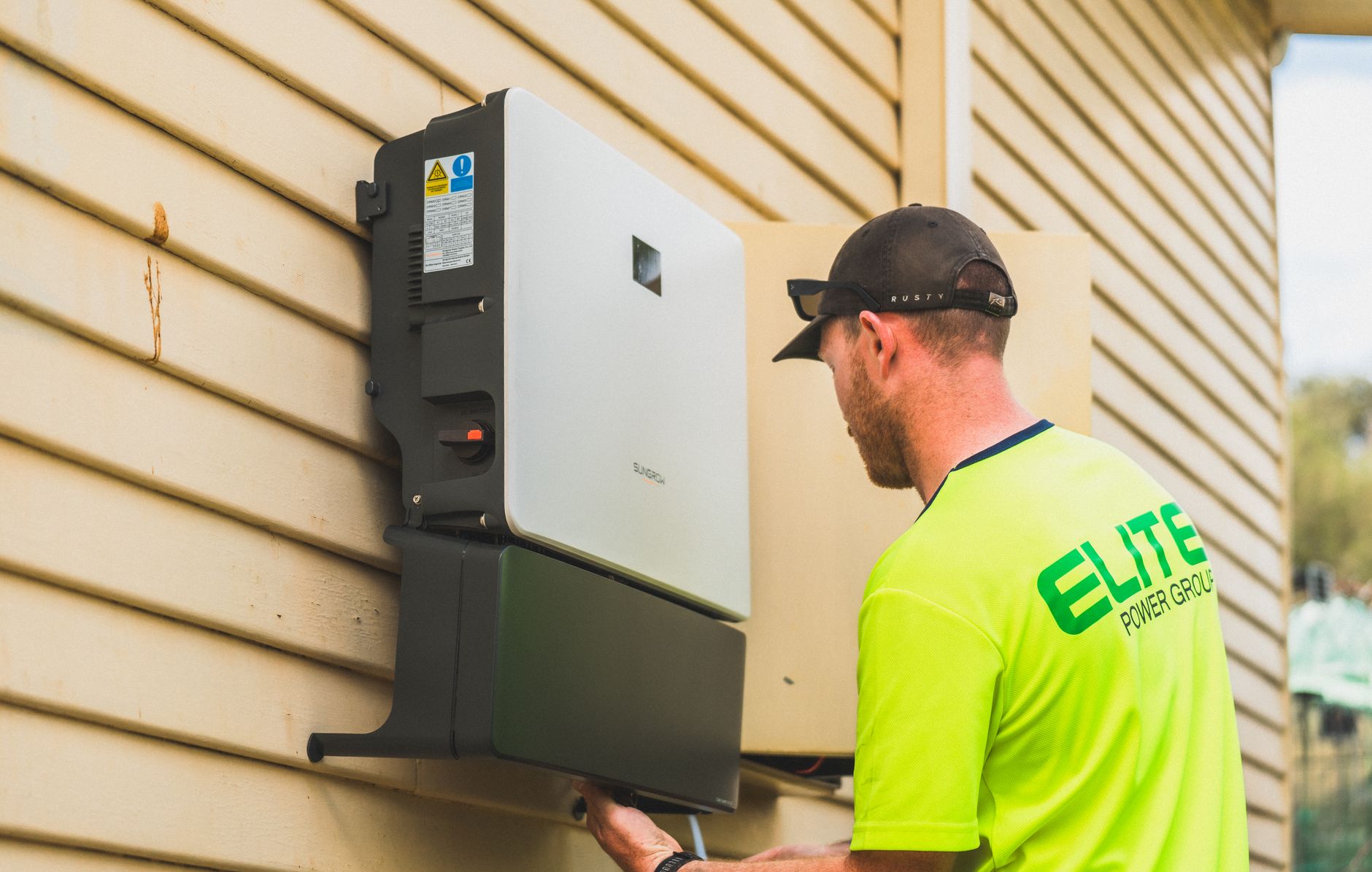
5. Whole-Home Battery (Tesla Powerwall 3) , Best integrated home battery for solar and grid outages
The Tesla Powerwall 3 is the flagship whole-home battery for Ontario homeowners who also have or plan solar. It stores 13.5 kWh usable and delivers 11.5 kW continuous. When the grid fails, it switches in milliseconds, so your internet router and clocks barely blink. Two Powerwalls can run most homes through the night, and with solar panels they can cover days without grid power.
You will not install a Powerwall yourself. It requires a certified installer, an electrical permit, and usually approval from your local hydro utility. The cost is high. A single Powerwall 3 unit is about $15,500 CAD before installation. A complete system with gateway, panel work, and labour often lands between $22,000 and $28,000. That is the most expensive option in this comparison.
The big advantage is maintenance. No fuel, no oil changes, no exhaust, and very little noise. It also works with time-of-use rates to store cheap off-peak electricity and discharge it during peak hours. For a direct comparison with the Enphase IQ Battery, read Tesla Powerwall vs Enphase IQ Battery.
Key strengths:
- ✅ 11.5 kW continuous output, 13.5 kWh usable per unit
- ✅ Millisecond transfer during outages
- ✅ No fuel, exhaust, or annual oil changes
- ✅ Stacks to 54 kWh for larger homes
- ✅ Works with solar for multi-day off-grid backup
- ❌ Very high installed cost
- ❌ Requires certified installer and utility approval
- ❌ Limited capacity compared with unlimited natural gas
Who it’s for: Homeowners with or planning solar who want an integrated, low-maintenance whole-home battery backup.
Frequently Asked Questions
What size generator do I need for my Ontario home?
Add the running watts of the appliances you need to keep running, then check the startup surge of motors like fridge compressors and sump pumps. A portable 2,800W generator covers a fridge, furnace blower, lights, and chargers. Whole-home standby units typically start at 20kW for central air and well pumps.
Can I run a gas generator in my garage during an outage?
No. Never run a gasoline or propane generator in a garage, even with the door open. Carbon monoxide can accumulate to deadly levels in minutes. Operate generators outdoors at least 4.5 metres from doors, windows, and vents.
Do I need a permit to connect a generator to my Ontario home panel?
Yes. Any permanent connection to a home panel requires a transfer switch or interlock, an electrical permit, and a licensed electrician. The Electrical Safety Authority enforces these rules in Ontario. Cord-and-plug use of standalone loads does not need a permit.
How long will a portable power station run a refrigerator?
A 3.6 kWh power station can run a typical modern refrigerator for 10 to 14 hours depending on load and ambient temperature. Larger units like the Anker SOLIX F3800 can run a fridge for a day or more. Use an energy monitor to get a precise number.
What is the best backup for an Ontario condo or apartment?
A portable power station is usually the best choice because it is silent, produces no carbon monoxide, and can be used indoors. Gas generators are often banned or impractical in multi-unit buildings. Choose a 1.5 to 3.6 kWh unit for fridge, lights, and medical devices.
Are whole-home batteries eligible for Ontario incentives or net metering?
Ontario does not have a province-wide battery rebate in 2026, but net metering and time-of-use rate arbitrage can improve payback. Check with your local hydro utility and installer. The Ontario Energy Board regulates electricity rates but not storage rebates.
What Should You Remember?
- Sizing first: Add running and startup watts before you buy a generator or battery.
- Gas generator safety: Never run gasoline or propane generators indoors or near windows.
- Standby generators: Provide automatic whole-home power but require ESA permits and licensed installers.
- Battery power stations: Offer silent indoor backup but cost more per kilowatt-hour.
- Solar backup: Works well in summer but struggles during Ontario winter storms.
- Transfer switches: Required for any permanent home panel connection; do not backfeed.
This article is for general information only. Always follow manufacturer instructions, local electrical codes, and hire a licensed electrician for transfer switches and standby generator installation. Carbon monoxide is deadly , never run a generator indoors.