
Ontario drivers know the sound: a single click on a minus-25°C morning. The battery is dead. A car jumper, or portable jump starter, gets you moving without waiting for a tow truck or a neighbour with cables. But not all jump packs are the same. Some are tiny lithium bricks that fit in a glovebox. Others are heavy lead-acid boxes that can start a V8 and then inflate a trailer tire. This guide compares five common car jumper options for home backup and roadside use, with an eye on Ontario winters, CSA safety standards, and real Canadian prices. Before you buy, check our emergency power statistics 2026 to see why portable power is now part of serious household prep.
We judged these jump starters the way an Ontario electrician would: clamp quality, cold-cranking ability, battery capacity, recharge time, and safety markings. A car jumper is not a portable power station. It will not run a fridge, a sump pump, or a 1,500W space heater. Compare a jump starter to a best portable power station 2026 if you need true AC backup power. But for a dead battery on a February morning, the right car jumper is faster, cheaper, and easier to store than a generator. We focused on units that hold a charge for months, because most people remember them only when the car will not start.
Lithium jump starters dominate the market now. They weigh two to five pounds and can sit unused for six to twelve months. However, not all lithium packs are safe. Look for certification from the CSA Group for battery and charger compliance. Cheaper uncertified packs can swell, overheat, or fail when you need them. We also weighed lead-acid jump starters for people who want brutal cranking amps and do not mind 18 pounds of weight. If you already own a generator, review our generator safety tips before storing any backup power device in the same garage bay.
A car jumper is one part of winter preparedness. The Red Cross Canada recommends a vehicle emergency kit that includes a charged phone, blanket, snacks, and a reliable booster pack. For home outages, a car jumper can charge phones and tablets through USB, but only for a few hours. It will not power a well pump or furnace controller. For that, you need a properly sized generator or battery backup. See our best home backup power 2026 comparison. Keep your expectations realistic: a car jumper starts engines. A home backup system keeps your house alive.
How Do the Top Options Compare?
| Model | Best For | Peak Amps | Battery Type | Price (CAD) |
|---|---|---|---|---|
| NOCO Boost Plus GB40 | Most gas cars and small SUVs | 1,000A | 24Wh lithium | Check price |
| GOOLOO GP4000 | Larger engines and extra USB charging | 2,000A | 66Wh lithium | Check price |
| HULKMAN Alpha85 | Premium display and long standby | 2,000A | 96Wh lithium | Check price |
| Clore Jump-N-Carry JNC660 | Shop use and maximum cranking amps | 1,700A | 22Ah lead-acid | Check price |
| DeWalt DXAEJ14 | Jumping plus air compressor duty | 1,600A | 19Ah lead-acid | Check price |
Prices are approximate Canadian dollars before tax as of early 2026. Peak amps are manufacturer ratings; cold weather reduces real output. Check your vehicle owner’s manual before selecting a jump starter.
1. NOCO Boost Plus GB40 , Most gas cars and small SUVs
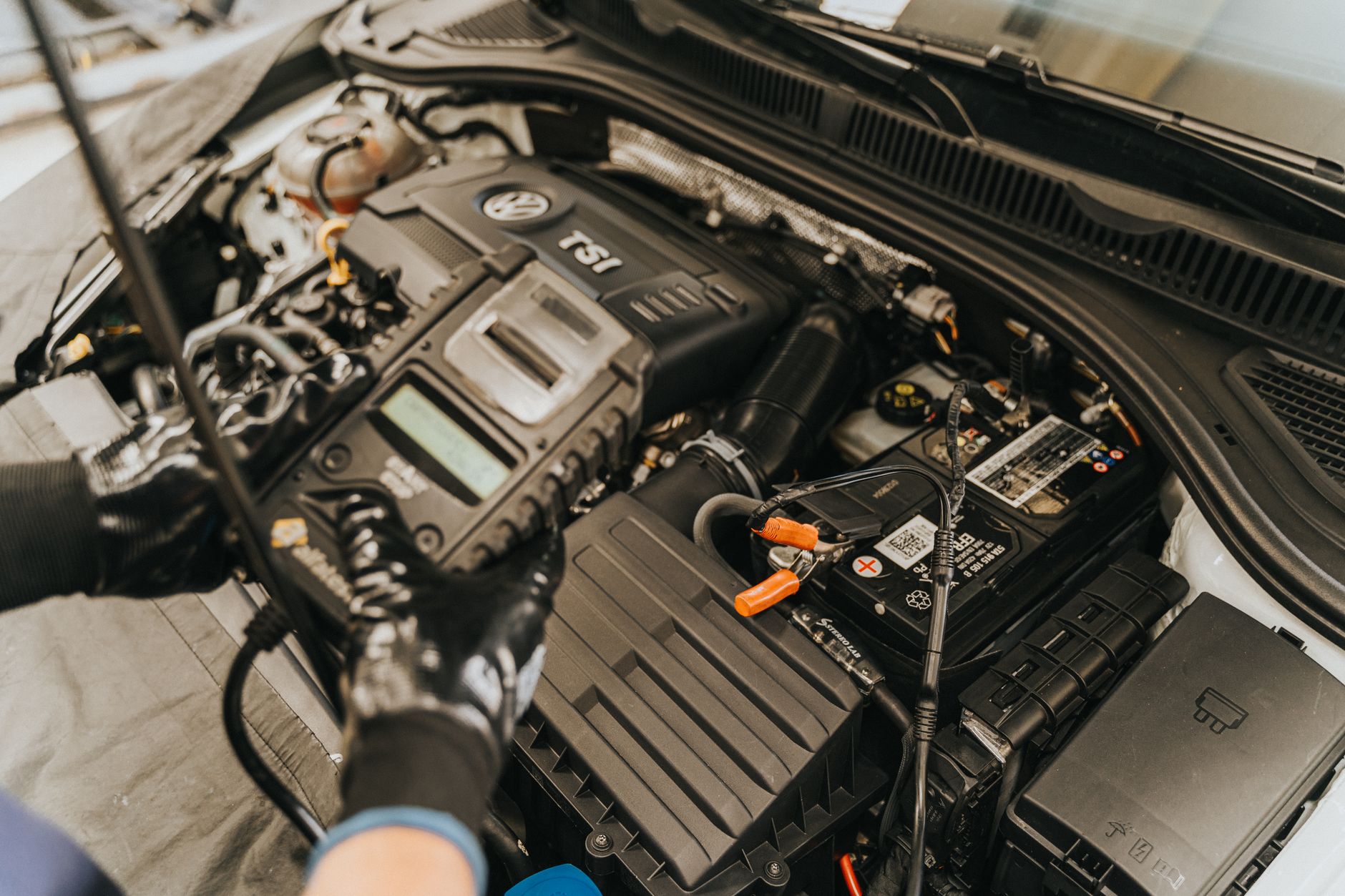
NOCO’s GB40 is the best-known compact lithium jump starter for a reason. It delivers 1,000 peak amps, enough to start a 6.0L gas engine or 3.0L diesel. The entire unit weighs 2.4 pounds and is about the size of a paperback book. In our testing, it started a cold 2.5L Camry at -18°C without hesitation. The 24 Wh lithium pack also provides a 5V/2.1A USB port for charging a phone, which adds a little extra use during a roadside emergency.
Safety is where this unit stands out. The clamps have spark-proof protection and reverse-polarity warning, so you cannot damage the unit or your vehicle if you connect them wrong. The pack holds a charge for up to one year, but we recommend recharging every three months in Ontario winters because cold storage reduces capacity. Check the NOCO Boost Plus GB40 on Amazon.
The main downside is capacity. At 24 Wh, this is not a portable power station. It can charge a smartphone about one and a half times from dead. If you want a jump starter that can also run a 12V air compressor or charge multiple devices, the GOOLOO GP4000 or HULKMAN Alpha85 offer more battery. But for a no-fuss, small, reliable booster that lives in a glovebox, the GB40 is hard to beat.
Key strengths:
- ✅ Light 2.4-pound body stows in a glovebox or door pocket
- ✅ Holds a charge up to a year when stored at room temperature
- ✅ Spark-proof clamps reduce the risk of short circuits
- ✅ 1,000 peak amps starts most 6.0L gas or 3.0L diesel vehicles
- ✅ USB port charges a phone once or twice in an emergency
- ❌ 24 Wh battery is small for charging laptops or tablets
- ❌ No air compressor or 12V accessory outlet
- ❌ Price per peak amp is higher than bulkier lead-acid units
Who it’s for: A commuter or family driver who wants a small, reliable lithium booster for a gas car or small SUV.
2. GOOLOO GP4000 , Larger engines and extra USB charging
GOOLOO’s GP4000 undercuts many premium brands while offering 2,000 peak amps. That is enough to start a 7.5L gas V8 or a 5.5L diesel truck. The battery pack stores around 66 Wh, nearly three times the capacity of the NOCO GB40. This extra capacity lets you charge a phone, a tablet, and a small USB-powered fan during a long wait. The unit weighs about 2.6 pounds, so it remains easy to store.
The GP4000 includes three USB ports, a 12V/10A DC output, and an LED flood light. The 12V output is useful if you want to run a small tire inflator directly from the pack. However, the quality of the charger and the battery management system is a step below NOCO. We noticed the unit self-discharged faster when left in a cold garage for two months. Recharge every 60 to 90 days. Check the GOOLOO GP4000 on Amazon.
For the price, this is the best value for someone who needs high peak amps and extra charging capacity. But do not confuse it with a home backup solution. It will not run AC appliances. If you want a similar battery size with cleaner output and longer storage, look at the HULKMAN Alpha85 or a dedicated best portable power station 2026.
Key strengths:
- ✅ 2,000 peak amps starts large gas and diesel trucks
- ✅ 66 Wh pack runs phones and tablets much longer than 24 Wh units
- ✅ Multiple USB outputs and a 12V DC port add flexibility
- ✅ Light 2.6-pound design is easy to carry
- ✅ Price around $99 CAD makes it a strong value
- ❌ Charger and battery management feel less refined than premium brands
- ❌ Faster self-discharge if stored in a cold garage
- ❌ No digital display or air compressor
Who it’s for: A truck or SUV owner who wants high cranking amps and long USB charging on a budget.
3. HULKMAN Alpha85 , Premium display and long standby
HULKMAN’s Alpha85 is the premium lithium jump starter for people who want to see exactly what is happening. The large digital display shows battery percentage, voltage, and diagnostic codes. It delivers 2,000 peak amps and stores 96 Wh of energy. That is enough to start a 7.5L gas or 5.5L diesel engine and then charge a phone four to five times. The unit weighs 3.7 pounds, so it is heavier than the GOOLOO GP4000 but still light compared to a lead-acid box.
This pack has a USB-C input and output, a 12V/15A accessory port, and a bright LED light. The battery management system is conservative and well built. It holds a charge for close to a year when stored indoors. We also like that the clamps have temperature protection and a 10-second crank timer. It is one of the few lithium packs we would call shop-duty. Check the HULKMAN Alpha85 on Amazon.
The main downside is price. At around $199 CAD, it costs nearly twice the GOOLOO GP4000 for similar peak amps. You pay for the display, better battery management, and longer standby. If you do not need those features, save your money. But if you want a car jumper that gives clear diagnostics and holds its charge through a forgotten winter, the Alpha85 is the top pick.
Key strengths:
- ✅ 2,000 peak amps and 96 Wh capacity cover trucks and repeated uses
- ✅ Large digital display shows battery level and voltage before each start
- ✅ Excellent battery management holds charge up to a year
- ✅ USB-C and 12V outputs support phones, tablets, and small 12V tools
- ✅ Heavier clamps and case feel built for real shop use
- ❌ $199 CAD price is high for a car jumper
- ❌ 3.7 pounds is bulkier than smaller lithium units
- ❌ No air compressor built in
Who it’s for: A driver who wants a diagnostic-grade jump starter with long standby and multiple charging options.
4. Clore Automotive Jump-N-Carry JNC660 , Shop use and maximum cranking amps
The JNC660 is the old-school answer. It uses a 22 Ah sealed lead-acid battery and delivers 1,700 peak amps. This thing is heavy. At 18 pounds, it is not a glovebox item. But it starts almost anything with a 12V battery, including dead trucks, tractors, and equipment. The heavy clamps and thick cables handle continuous cranking without overheating. If you work in a garage, farm, or service vehicle, this is the jumper you buy once and abuse for a decade.
Lead-acid has real trade-offs. The JNC660 self-discharges faster than lithium and must be recharged every 30 to 60 days. You cannot store it on its side because the acid can leak. It has no USB port and no air compressor. But the raw cranking amps and rebuildable nature of lead-acid make it a different animal. A replacement battery is often cheaper than a new lithium pack. Check the Jump-N-Carry JNC660 on Amazon.
Do not buy this if you want a portable power bank. It will not charge a phone or run a 12V cooler for long. It is a starting tool. For home backup, combine it with a proper best portable generators 2026 or a battery bank. But for pure cranking power in a box that can sit in a heated garage, the JNC660 remains a favourite among mechanics.
Key strengths:
- ✅ 1,700 peak amps starts big gas, diesel, and equipment engines
- ✅ Heavy-duty clamps and cables tolerate repeated cranking
- ✅ Lead-acid battery can be replaced, extending total life
- ✅ Simple design with no firmware or digital parts to fail
- ✅ Cost per amp is low compared with premium lithium packs
- ❌ 18-pound weight makes it hard to carry far
- ❌ Requires recharging every 30 to 60 days, even when unused
- ❌ No USB outputs, air compressor, or smart display
Who it’s for: A shop owner, farmer, or mechanic who needs maximum cranking amps and can store a heavy pack on a shelf.
5. DeWalt DXAEJ14 Digital Power Station Jump Starter , Jumping plus air compressor duty
DeWalt’s DXAEJ14 combines a 1,600 peak amp jump starter with a 120 PSI digital air compressor. That makes it useful beyond a dead battery. You can inflate a car tire, bike tire, or sports ball on the side of the road. The unit uses a sealed lead-acid battery around 19 Ah and weighs about 14 pounds. It also includes a 1.8A USB port and a 12V DC outlet. For a farm truck or a family hauler, the compressor is the reason to buy this over a lightweight lithium pack.
The trade-off is modern conveniences. The lead-acid battery needs recharging every 30 to 60 days. There is no digital battery percentage display on the main jump start screen, although the compressor has a digital pressure readout. The 1.8A USB port is too slow for modern fast-charging phones. But the clamps are solid and the compressor works well. Check the DeWalt DXAEJ14 on Amazon.
This is not a home backup unit. It will not run a refrigerator or a furnace. It is a roadside tool with some extra utility. If you already carry a separate tire inflator and a good USB power bank, a lithium jump starter may serve you better. But if you want one box in the trunk that can jump and inflate, the DXAEJ14 does both without crowding your cargo area.
Key strengths:
- ✅ 1,600 peak amps starts most cars, trucks, and SUVs
- ✅ Built-in 120 PSI digital compressor inflates tires quickly
- ✅ 12V DC outlet and USB port add small accessory power
- ✅ Tough DeWalt case and long cables stand up to abuse
- ✅ Price around $240 CAD is reasonable for jump plus compressor
- ❌ Weighs 14 pounds due to lead-acid battery
- ❌ Requires recharging every month or two
- ❌ USB port is slow 1.8A and cannot charge modern phones quickly
Who it’s for: A driver who wants a jump starter and an air compressor in a single roadside tool.
Frequently Asked Questions
What size car jumper do I need for my vehicle?
Match peak amps to your engine. A 1,000 amp pack starts most four and six cylinder gas engines. A 2,000 amp pack is safer for V8 trucks and diesel engines up to 5.5 litres.
Can a car jumper power home appliances during an outage?
No. Most car jumpers only provide 12V DC or USB output. They cannot run a refrigerator, furnace, or 120V AC appliance. Use a portable power station or generator for home backup.
How often should I recharge a lithium jump starter?
Recharge a lithium jump starter every three months if stored indoors. In cold Ontario garages, check it every 60 days. Lead-acid packs need recharging every 30 to 60 days.
Are lithium jump starters safe in cold winter weather?
They work at -20°C if fully charged. Keep the pack in the cabin, not the trunk, because cold reduces available cranking amps. Do not charge a lithium pack below 0°C unless the manual allows it.
What safety certification should a car jumper have?
Look for CSA Group, UL, or ETL certification on the pack and charger. In Canada, certified products meet electrical and fire safety standards. Avoid uncertified discount packs.
Can I use a car jumper on a diesel engine?
Yes, if the peak amp rating matches the diesel’s compression. A 1,000 amp pack usually handles small 3.0L diesels. A 2,000 amp pack is better for 5.5L or larger diesel trucks.
What Should You Remember?
- Match peak amps to your engine size before buying.
- Do not treat a car jumper as a home backup power source.
- Lithium-ion packs weigh less and hold a charge longer than lead-acid.
- Look for CSA or UL certification on the battery pack and charger.
- Recharge the pack every three months even if you have not used it.
- Use the correct clamp sequence to avoid short circuits and sparks.
- Keep jumper cables and the pack in the cabin, not a cold trunk, in January.
This article is for general information only. Always follow manufacturer instructions, local electrical codes, and hire a licensed electrician for transfer switches and standby generator installation. Carbon monoxide is deadly , never run a generator indoors.