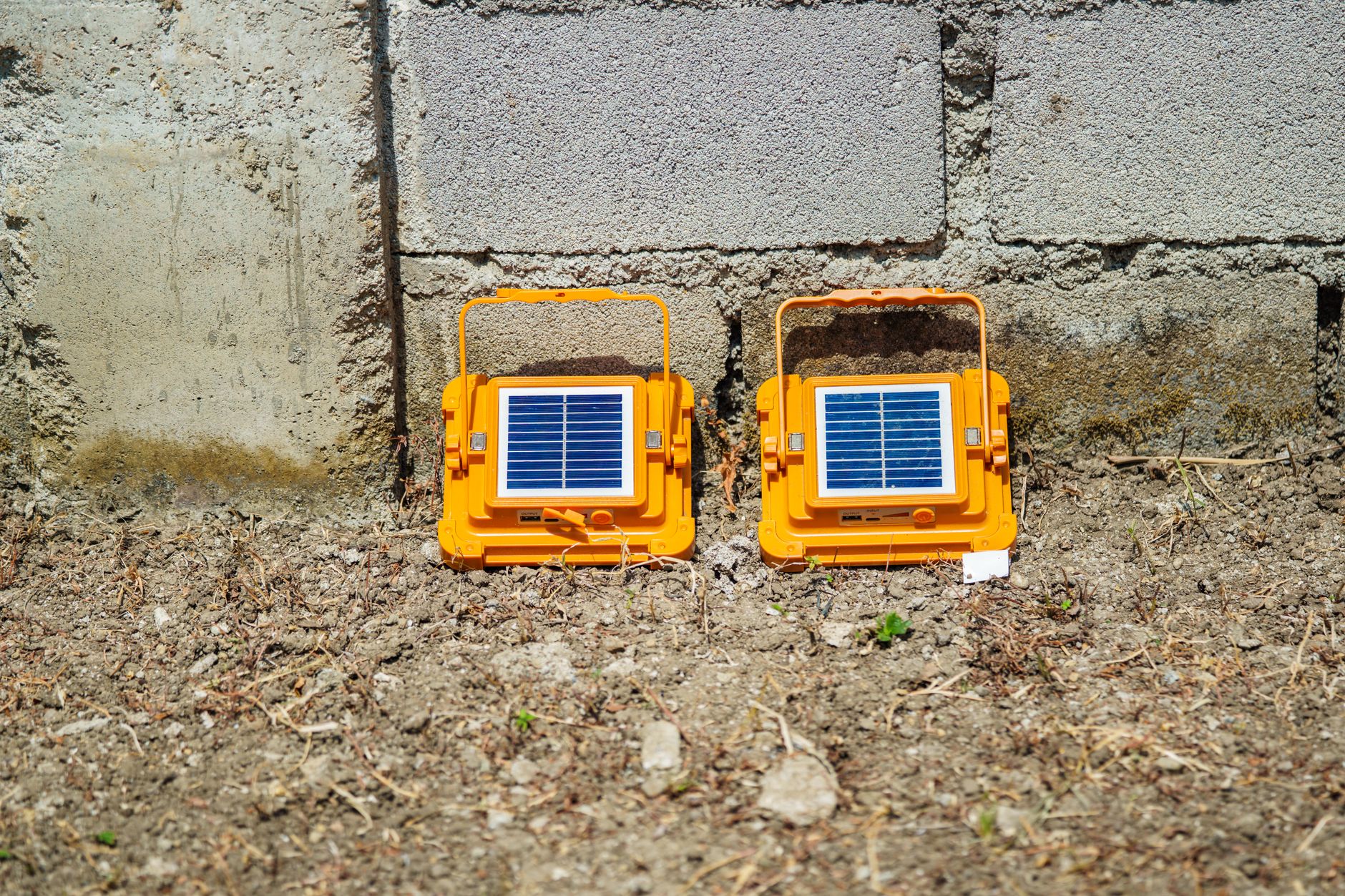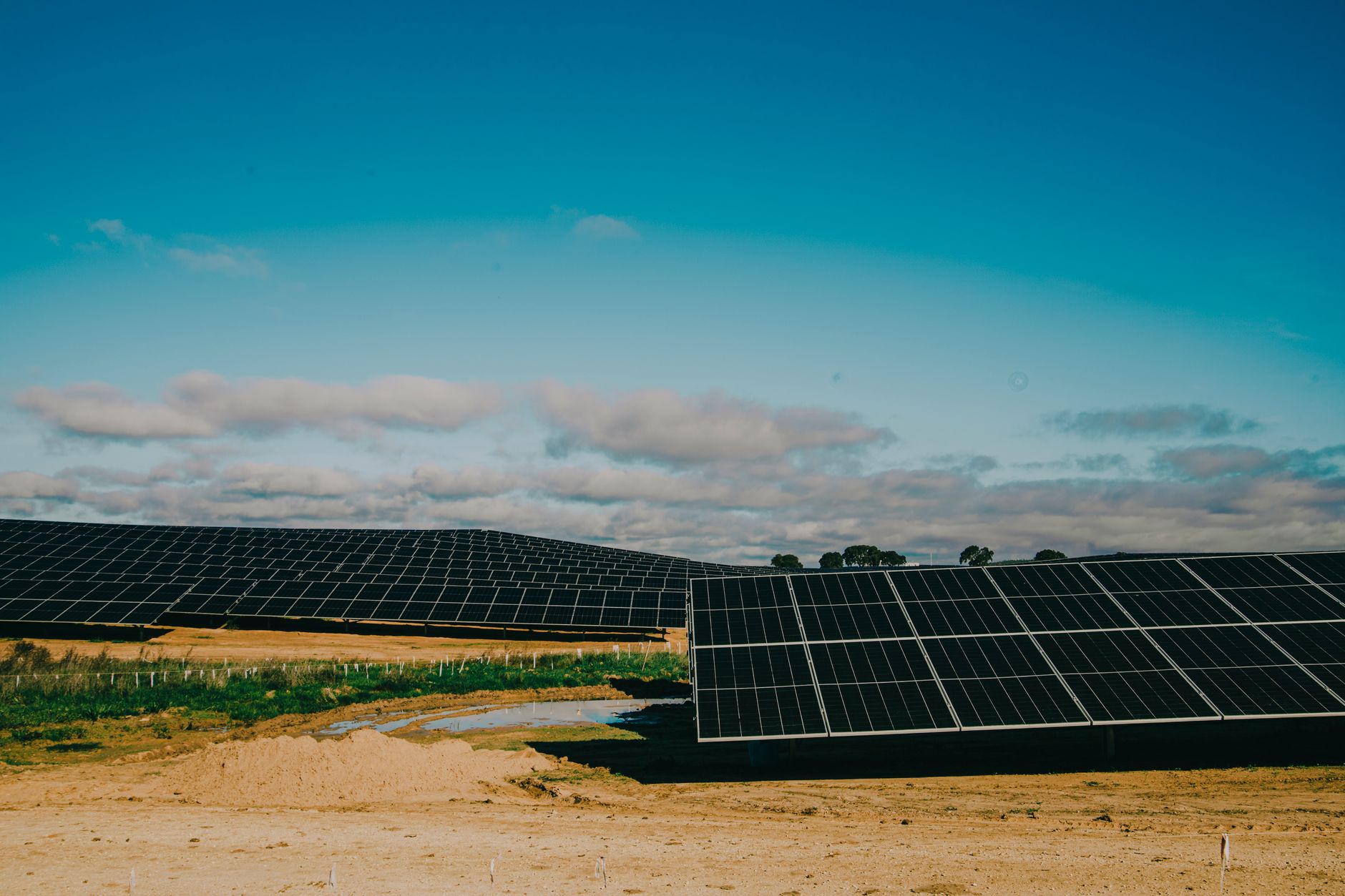
Ontario power outages are getting longer when ice storms and windstorms hit. A portable power station can keep a fridge, medical device, or router running, but the battery will drain. A solar panel turns that station into a renewable backup source instead of a finite brick. In our emergency power statistics for 2026, we found that multi-day outages are becoming more common in rural and outer-suburban Ontario. The panel you choose is not a luxury accessory. It decides whether your station recharges during a week-long blackout or stays dead after the first day.
Not every solar panel works with every power station. You need to check the station’s DC input voltage range. Most 200 W portable panels run between 18 V and 24 V open circuit, which fits most Jackery, EcoFlow, Anker, and Goal Zero units. Higher voltage residential panels can exceed the station’s limit and trigger a fault. Look for CSA or UL certification on the panel junction box and cables. CSA Group publishes the safety standards that apply to portable solar and energy storage products sold in Canada. If the panel comes with bare alligator clips instead of MC4 connectors, treat it with caution.
We compared five panels based on rated output, real-world Ontario sun hours, connectors, weight, and price. Ontario gets roughly 2.5 to 4.5 peak sun hours per day depending on season and tilt. A 200 W panel in May can produce around 0.8 to 1.1 kWh daily. In December, a flat panel may deliver only 0.2 to 0.4 kWh. Pair panels with the right station using our best portable power station for 2026 list. We also looked at best solar generators for 2026 because some kits bundle the panel and station.
For permanent installations, the rules change. A rooftop solar array wired into a home backup system is not a weekend project. The Electrical Safety Authority in Ontario requires permits and a licensed electrician for hardwired solar connections. The products below are portable or semi-portable panels for temporary outage use. They can be set up on a lawn, patio, or deck, then stored in a garage. For a deeper look at fixed home solar, read our solar panels for home backup guide. Keep the panel’s DC output away from standing water and follow the station maker’s connection order.
How Do the Top Options Compare?
| Panel | Best For | Rated Output | Typical Price (CAD) | Key Pairing Note |
|---|---|---|---|---|
| EcoFlow 220W Bifacial Portable | EcoFlow Delta and River station owners | 220 W front, up to 25% rear boost | Check price | MC4 to EcoFlow XT60 cable included |
| Renogy 200W 12V Monocrystalline | Fixed ground or cabin arrays | 200 W at 20.4 V | Check price | Works with 10 to 30 V station inputs |
| BougeRV 200W 9BB Portable | Budget folding panel for mixed brands | 200 W at roughly 18 V | Check price | Adapter kit covers Jackery, EcoFlow, Anker |
| Zamp Solar 230W Portable | Rugged RV and exposed outdoor use | 230 W at around 19 V | Check price | May need SAE to station adapter |
| Goal Zero Boulder 200W Briefcase | Goal Zero Yeti owners | 200 W at about 18 V | Check price | 8 mm to Yeti high power port |
Prices are street prices in CAD converted from USD and change often. Permanent rooftop or hardwired installs need an ESA permit and a licensed electrician.
1. EcoFlow 220W Bifacial Portable Solar Panel , Best folding panel for EcoFlow Delta and River stations
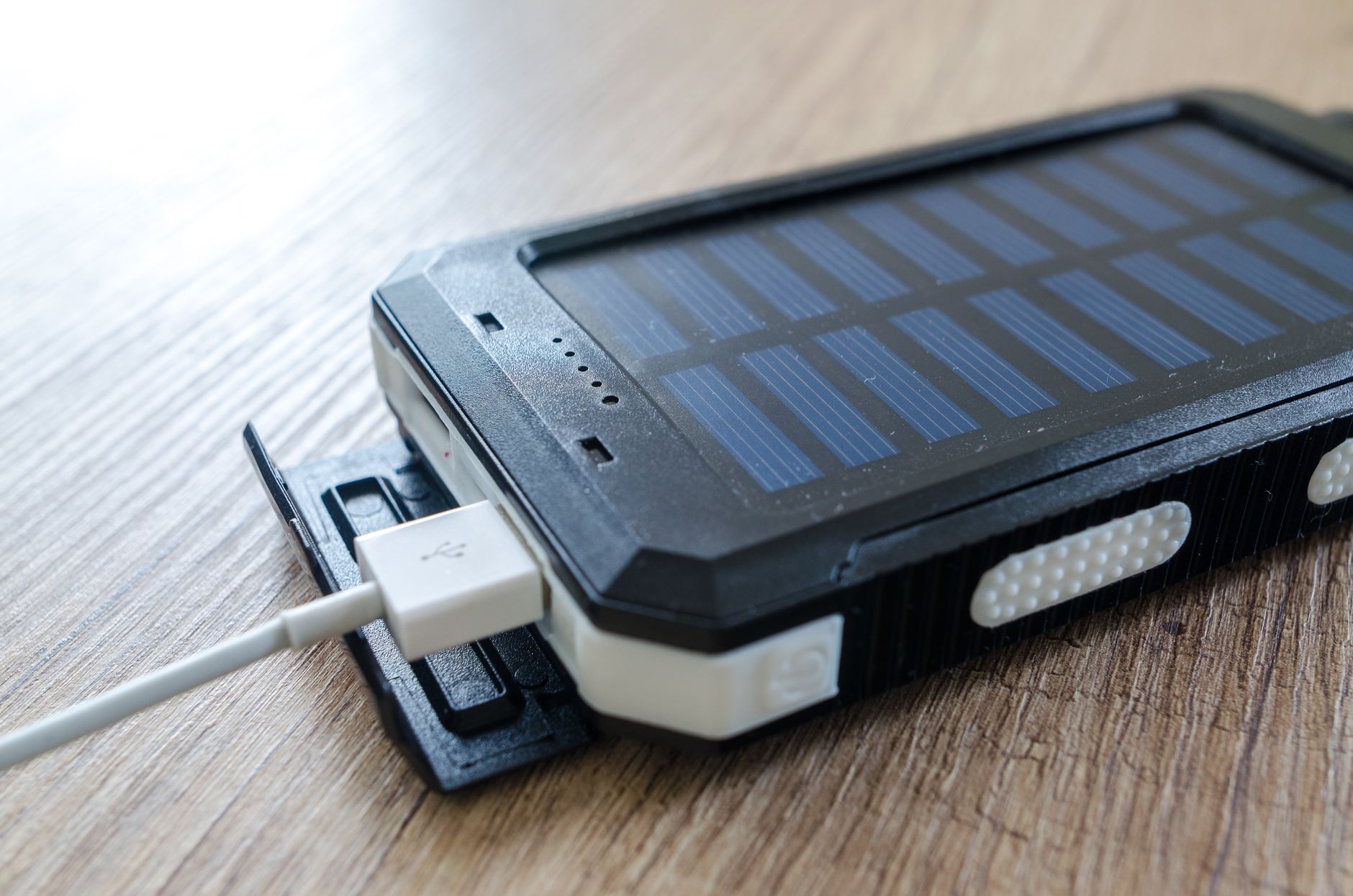
EcoFlow’s 220W Bifacial Portable Solar Panel is the easiest high-output panel to pair with EcoFlow Delta and River power stations. It has a front-side rating of 220 W. The bifacial rear can add up to 25 percent more output when reflected light hits it. In Ontario you will usually see a 5 to 15 percent rear-side gain, not the full 25 percent. The panel weighs 7.9 kg and folds into a briefcase shape that fits a closet or trunk. It runs at a max power voltage of 18.4 V and an open circuit voltage of 21.8 V, so it matches station inputs that accept up to 30 V.
A 1,024 Wh EcoFlow Delta 2 can recharge in roughly 3 to 6 hours from this panel under strong spring sun. In December, expect that to stretch past a full day. The panel uses MC4 connectors with an EcoFlow XT60 charging cable included. That means less fumbling for adapters. If you already own EcoFlow equipment, this is the cleanest match. You can compare station options in our best portable power station 2026 guide. You can also check the EcoFlow 220W Bifacial Portable Solar Panel on Amazon.
Key strengths:
- ✅ High 220 W front output works fast with Delta and River stations
- ✅ Bifacial rear adds useful gain on snow or light-coloured ground
- ✅ MC4 to XT60 cable included reduces adapter hunting
- ✅ Folds to a manageable 7.9 kg carry size
- ❌ Premium price per watt versus rigid panels
- ❌ Rear-side gain drops in shaded or dark-soil sites
- ❌ Not a year-round permanent roof panel
Who it’s for: Pick this if you own an EcoFlow power station and want the fastest direct solar charging without building your own cable setup.
2. Renogy 200W 12V Monocrystalline Rigid Panel , Best fixed ground or cabin semi-permanent panel
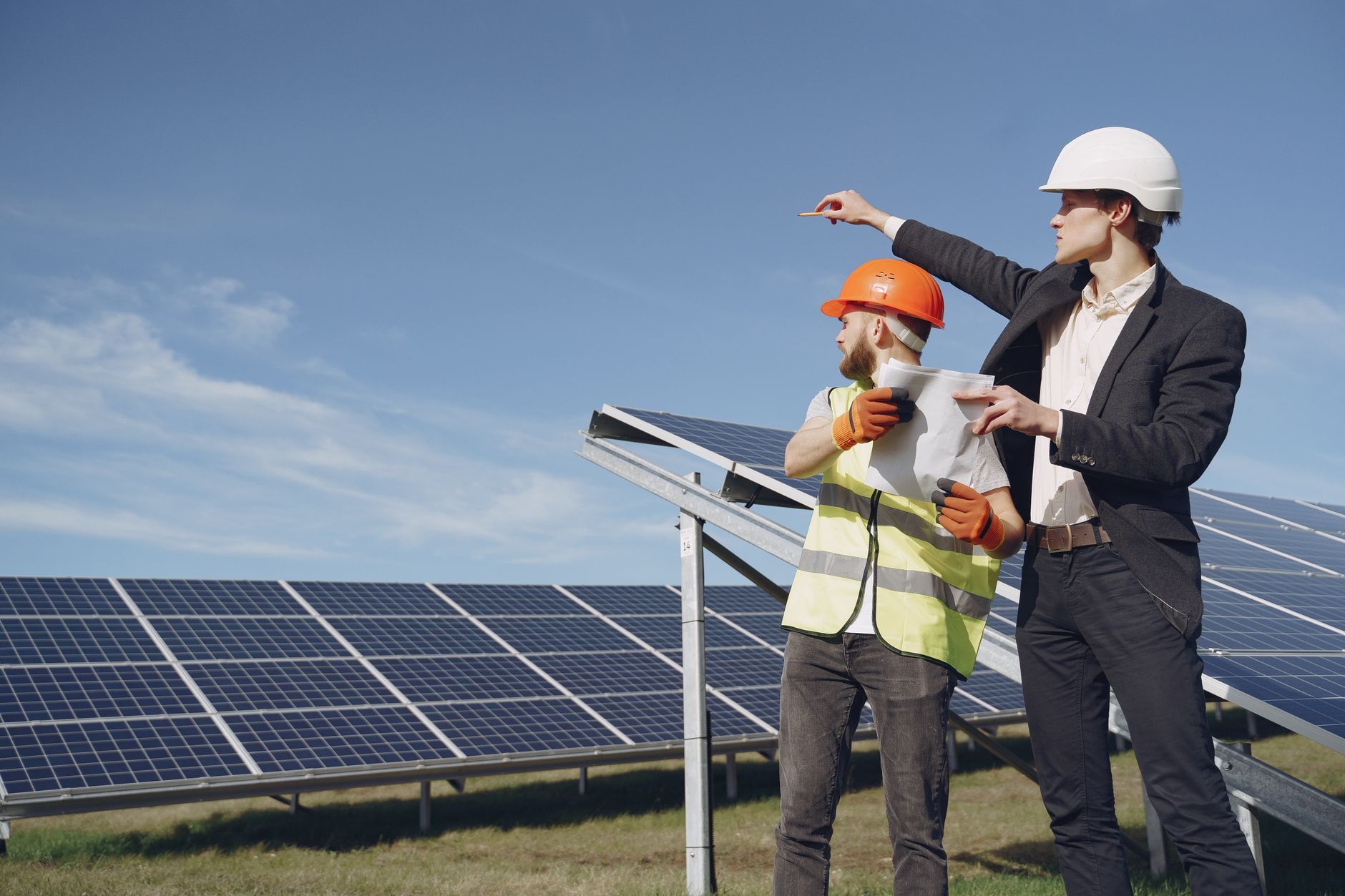
The Renogy 200W 12V Monocrystalline panel is a rigid aluminum-frame panel, not a folding briefcase. It is built for fixed ground mounts, cabin walls, or trailer racks. At standard test conditions it delivers 200 W. Its max power voltage is 20.4 V and max power current is 9.8 A, which fits power stations with a 12 to 30 V input window. The panel measures roughly 164 cm by 99 cm and weighs about 12 kg. It is not something you will move every day. But it costs far less per watt than a folding panel.
Ontario solar data from Natural Resources Canada shows a south-facing fixed panel can produce 0.9 to 1.2 kWh per day in summer. A flat deck-mounted panel in winter will produce a fraction of that. Use a tilt frame to shed snow and catch low winter sun. If you are wiring this into a permanent home backup setup, the Electrical Safety Authority requires a permit and a licensed electrician for the AC or hardwired side. Portable temporary use on a lawn is different, but still use proper extension cables and strain relief.
For semi-permanent small arrays, this panel pairs well with a power station that has a built-in MPPT charge controller. If your station has a maximum input voltage below 25 V, this panel sits safely under that limit. Our off-grid power for tiny homes guide covers larger panel and battery sizing. Read solar panels for home backup if you plan to mount panels on a roof in Ontario.
Key strengths:
- ✅ Lower cost per watt than folding panels
- ✅ Rigid aluminum frame handles snow and wind when mounted
- ✅ Standard MC4 connectors work with many charge controllers
- ✅ At 20.4 V max power, it stays within common 12 to 30 V station limits
- ❌ Heavy at roughly 12 kg and awkward to carry
- ❌ Needs a separate tilt mount or fixed frame
- ❌ Not practical for fast deployment during a moving outage
Who it’s for: Choose this if you want a semi-permanent ground or cabin panel and you already have a safe mounting location.
3. BougeRV 200W 9BB Portable Folding Solar Panel , Best budget portable folding panel for mixed brands
The BougeRV 200W 9BB Portable panel is a budget folding panel for homeowners who want solar charging without paying EcoFlow or Goal Zero prices. It uses nine-busbar monocrystalline cells. Under standard test conditions it delivers 200 W at around 18 V operating voltage. It weighs about 6.3 kg, making it one of the lighter 200 W panels here. The folded package includes a carry handle and kickstands. In Ontario full sun, expect around 0.8 to 1.0 kWh per day in spring or fall.
The kit usually ships with an MC4 cable and a bundle of DC adapters for Jackery, EcoFlow, Anker, and similar stations. That makes it useful if you own more than one brand. However, the adapter kit is also the weak point. Some connectors feel loose, and you should inspect them before each outage. Look for a CSA Group mark on the junction box or cable set. Certification means the panel and connectors were tested for Canadian exposure.
At its lower price, the BougeRV panel is a good backup panel. It is not built to stay outside all winter. Store it indoors when not in use and avoid folding it in extreme cold because the plastic hinges can crack. Compare its portability against other options in our best solar panels for camping 2026 list. You can also check the BougeRV 200W 9BB Portable Folding Solar Panel on Amazon.
Key strengths:
- ✅ Low price per watt for a folding 200 W panel
- ✅ Adapter kit covers Jackery, EcoFlow, and Anker stations
- ✅ Light enough to move around a yard at 6.3 kg
- ✅ Nine-busbar cells perform decently in low light
- ❌ Adapter connectors can feel loose and may need zip ties
- ❌ Not designed for permanent outdoor exposure
- ❌ Hinges and fabric are less rugged than Zamp or Goal Zero
Who it’s for: Pick this if you want a spare folding panel for occasional outages and you are comfortable checking the adapter connections.
4. Zamp Solar 230W Portable Charging Kit , Best rugged all-weather panel for RV and exposed outdoor use
Zamp Solar’s 230W Portable Charging Kit is built for RV and overland use. It uses a fiberglass-backed panel with an aluminum frame. The kit includes a built-in charge controller and a carry bag. Rated output is 230 W. Max power voltage sits around 19 V, so it stays within the input range of most power stations, but you may need an SAE to MC4 or SAE to 8 mm adapter because Zamp traditionally uses SAE connectors.
This panel is heavy, often over 13 kg with the case and controller. It is not the easiest panel to drag through snow. The upside is durability. The frame resists bending in wind and the sealed junction box sheds rain better than cheap folding panels. For Ontario ice storms, that matters. You cannot always wait for a dry calm day to set up a panel. If you already own a portable station, check its input port before buying. Our best portable power station 2026 guide lists common DC input types.
The Zamp kit is expensive for the wattage. You pay for the RV brand and included controller. If your power station already has an MPPT charge controller, the extra Zamp charge controller may be redundant. In that case a simpler folding panel saves money. But for a rugged long-term backup panel, the Zamp is hard to beat. See how solar generators and panels are rated in our best solar generators 2026 comparison.
Key strengths:
- ✅ Rugged aluminum and fiberglass construction survives rough handling
- ✅ 230 W output provides slightly more energy than 200 W rivals
- ✅ Built-in charge controller works with direct battery use
- ✅ Good performance in overcast and cool conditions
- ❌ Heavy and bulky for a portable panel
- ❌ SAE connector may require an adapter for many stations
- ❌ Premium price for the rated wattage
Who it’s for: Choose this if you already use Zamp equipment or need a panel that can take rough outdoor handling.
5. Goal Zero Boulder 200W Briefcase Solar Panel , Best plug-and-play panel for Goal Zero Yeti owners
The Goal Zero Boulder 200W Briefcase is a heavy-duty folding panel aimed at Goal Zero Yeti owners. It delivers 200 W at about 18 V. The tempered glass and aluminum frame make it one of the most weather-resistant portable panels in this group. That protection adds weight. The panel weighs around 15.2 kg, which is the heaviest folding option here. It folds into a hard-sided briefcase shape and includes a stand.
It connects directly to Goal Zero Yeti power stations using the 8 mm high power port. That is the main reason to buy it. If you own a different station, you will need an adapter cable. Once connected, expect around 0.8 to 1.1 kWh per day in Ontario spring and summer. In winter, flat placement on snow can actually help because snow reflects light onto the panel face. Keep the rear vents clear of ice.
Goal Zero products carry a premium. The Boulder 200W costs more than many 200 W folding panels. You get simpler pairing and better cold-weather construction. For most Ontario homeowners who are not already in the Goal Zero system, an EcoFlow or BougeRV panel will likely be enough. Compare full generator and panel bundles in our best solar generators 2026 article. If you have a Yeti, this is the plug-and-play choice.
Key strengths:
- ✅ Direct 8 mm connection to Goal Zero Yeti stations
- ✅ Tempered glass and aluminum frame handle snow and ice
- ✅ Consistent 200 W output in cold high-light conditions
- ✅ Hard briefcase storage protects cells
- ❌ Very heavy at around 15.2 kg
- ❌ Expensive versus similar 200 W folding panels
- ❌ Adapter required for non-Goal Zero stations
Who it’s for: Choose this if you own a Goal Zero Yeti and want one simple panel without extra cables.
Frequently Asked Questions
What size solar panel do I need for a portable power station?
A 200 W to 220 W panel is the best starting point for most 500 Wh to 2,000 Wh stations. Smaller 100 W panels work but recharge slowly. Larger panels may exceed your station’s input voltage or current limit, so check the DC input range first.
Can I use a rigid rooftop solar panel with a portable power station?
Yes, if the panel’s open circuit voltage stays below your station’s maximum DC input. Most 12 V rigid panels with a max power voltage around 18 to 20 V work. You will need an MC4 to station input cable, and permanent roof mounting requires an ESA permit.
Do I need a charge controller between the solar panel and power station?
Most portable power stations have a built-in MPPT or PWM charge controller. In that case you do not need a separate controller. If you are charging a raw battery instead of a station, install a properly rated charge controller.
Can I leave a portable solar panel outside during an Ontario winter?
Temporary use during a winter outage is fine if the panel is rated for outdoor exposure. Most folding panels should not be left outside for months. Ice, repeated thaw cycles, and buried connectors can damage them. Store them inside when not in use.
Are all solar panel connectors the same?
No. MC4 is common, but EcoFlow uses XT60 or XT60i, Goal Zero uses 8 mm, and some Zamp kits use SAE. Buy panels that include the correct adapter or use a well-made adapter cable rated for the current.
How much power does a 200 W solar panel produce in Ontario?
In spring and summer, a 200 W panel can produce about 0.9 to 1.2 kWh per day on a south-facing tilt. In December, flat placement may deliver only 0.2 to 0.4 kWh daily. Use 2.5 to 4 peak sun hours as a planning range depending on season.
What Should You Remember?
- Match voltage first. Check your power station’s maximum DC input before buying any panel.
- Buy certified panels. Look for CSA or UL marks on cables and junction boxes.
- Use the right adapter. MC4, XT60, and 8 mm connectors are not interchangeable without a proper adapter.
- Expect winter output to drop. A 200 W panel can fall to 0.2 to 0.4 kWh per day in December.
- Permanent rooftop installs need permits. The Electrical Safety Authority requires a licensed electrician for hardwired solar.
- Have a second charging source. Solar alone is slow during ice storms and short winter days.
This article is for general information only. Always follow manufacturer instructions, local electrical codes, and hire a licensed electrician for transfer switches and standby generator installation. Carbon monoxide is deadly , never run a generator indoors.