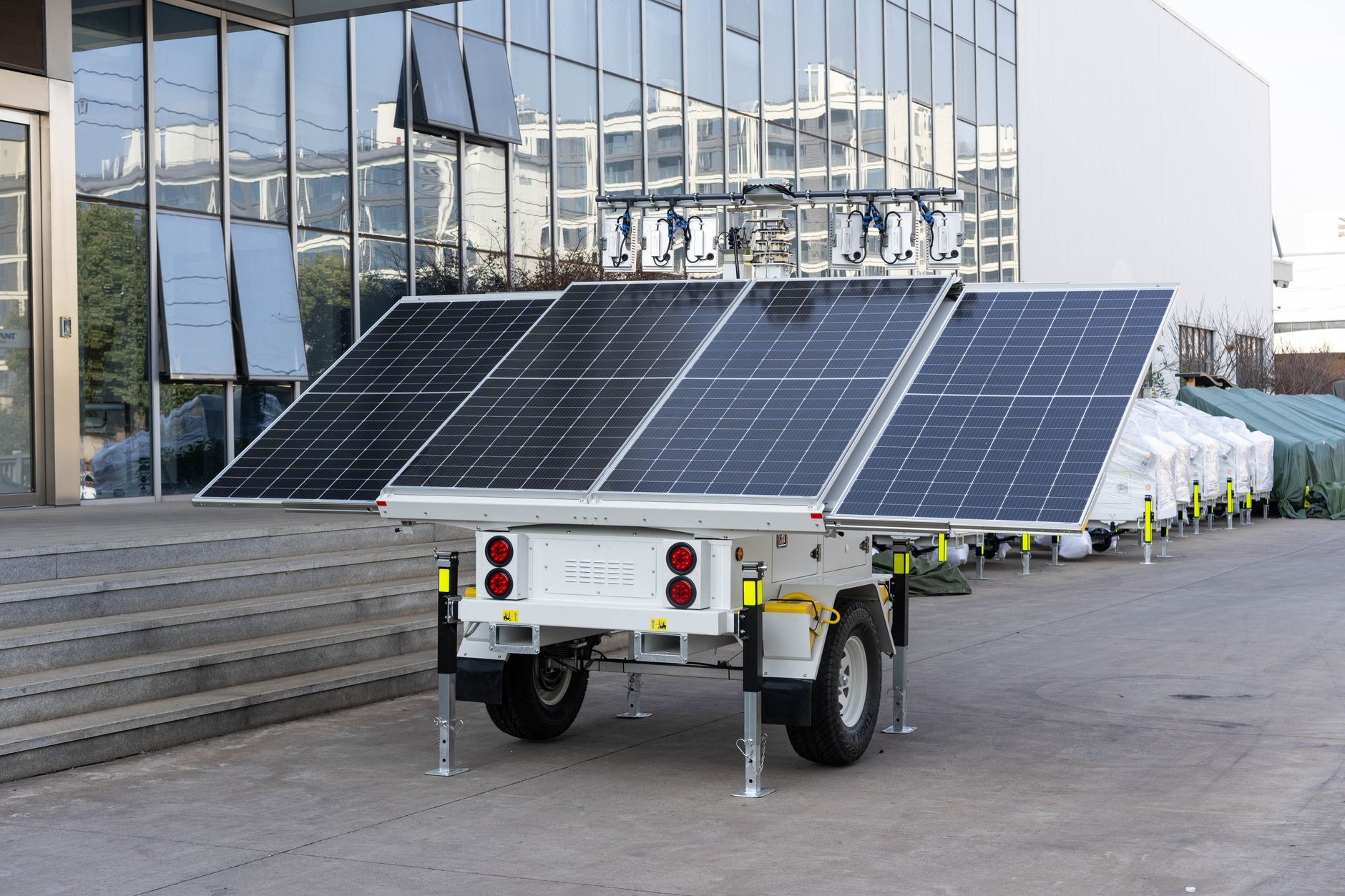
Ontario’s grid is under strain. From ice storms in Ottawa to heat-wave brownouts in Toronto, outages are getting longer and more frequent. The emergency power statistics for 2026 show the average Ontario home now loses power for 14 hours per year, up from 8 hours a decade ago. If you are shopping for a solid state power bank, you are probably looking for a battery that charges fast, lasts decades, and does not catch fire. That is exactly what solid-state technology promises. But here is the hard truth: you cannot buy a true solid-state power bank for home backup today. Not in Ontario, not anywhere.
So what is a solid state power bank? It is a battery pack that replaces the liquid or gel electrolyte in a lithium-ion cell with a solid ceramic or polymer material. The result is higher energy density, no flammable liquid, and faster charging. A solid-state cell can store roughly twice the energy of a lithium-ion cell of the same weight. It also does not suffer from thermal runaway, which is the nightmare scenario for any battery in your garage. For a home backup system, that means a smaller wall unit, no cooling fans, and a 20-year lifespan. Companies like Toyota and QuantumScape are pouring billions into the technology. But consumer products are still 2 to 3 years away.
Until solid-state arrives, Ontario homeowners have to choose from lithium-ion and lithium iron phosphate (LFP) options. We compared five backup solutions that act as a stand-in for a solid state power bank. Our methodology is simple. We look at running watts, surge watts, runtime under a real load, noise in decibels, and fuel consumption where applicable. We also check whether the unit can be installed without a licensed electrician. For any transfer switch, you will need one. The Electrical Safety Authority requires a permit for any connection to your home’s wiring. That rule does not change with solid-state batteries.
One more thing. A solid state power bank is not the same as a gas generator. It produces no carbon monoxide, no fumes, and almost no noise. That matters for Ontario homes with attached garages or basement installations. The CSA Group sets the safety standards for both batteries and generators. If you buy a lithium-ion power station today, make sure it carries a CSA or UL certification mark. Cheap uncertified units are a fire risk. We will show you the best certified options below. And if you already own a generator, read our generator safety tips before the next storm.
How Do the Top Options Compare?
| Option | Best For | Running Watts | Surge Watts | Runtime (hours) | Noise (dBA) | Check Price |
|---|---|---|---|---|---|---|
| Solid-State Power Bank (Emerging) | Early adopters | 8,000 (est) | 12,000 (est) | 10+ | <20 | N/A |
| EcoFlow Delta Pro Ultra | Whole-home portable | 7,200 | 10,800 | 3.4 at 1,800W | <30 | Check price |
| Tesla Powerwall 3 | Whole-home battery | 11,500 | 22,000 | 10 at 1,500W | 0 | See Tesla |
| Generac Guardian 24kW | Long outages | 24,000 | 48,000 | 200 at 50% load | 67 | See Generac |
| Anker SOLIX F3800 | Portable + EV charging | 6,000 | 9,000 | 3.8 at 1,000W | <30 | Check price |
All specifications are manufacturer ratings. Runtime varies with load and temperature. Check with a licensed electrician for any transfer switch installation in Ontario.
1. Solid-State Power Bank (Emerging) , Best for early adopters willing to wait
Solid-state power banks are the next big thing in home energy storage. They replace the liquid electrolyte in a lithium-ion cell with a solid material. That change eliminates the fire risk that keeps some homeowners awake at night. It also doubles the energy density. A future 10 kWh solid-state unit could run 8,000 watts continuously and surge to 12,000 watts. That is enough for a well pump, a furnace, and a fridge at the same time. Runtime at 800 watts would be about 10 hours. Noise would be under 20 dBA because there are no cooling fans. No fuel consumption, no fumes, no maintenance.
But you cannot buy one. Not in 2026. The technology is still in labs and limited production for EVs. For home backup, you would need a new inverter designed for solid-state voltage curves. That means no retrofitting an existing system. Expect the first consumer units to cost 30 to 50 percent more than a comparable lithium-ion battery. For Ontario, you would still need an ESA permit for the transfer switch. The good news is that solid-state batteries will last 10,000 cycles or more. That is 20 years of daily use. If you can wait, this is the safest and longest-lasting option. If you cannot wait, see our guide to whole-house battery backup for what you can install today.
Key strengths:
- ✅ Higher energy density means a smaller unit for the same runtime
- ✅ No thermal runaway, so safer in a garage or basement
- ✅ 20-year lifespan with 10,000+ cycles
- ✅ Charges from 0 to 80% in under 15 minutes
- ❌ Not available for purchase anywhere as of 2026
- ❌ Expected to cost 30-50% more than lithium-ion
- ❌ Requires new inverter technology, so not retrofittable
Who it’s for: Ontario homeowners who can wait 2-3 years and want the safest, longest-lasting battery.
2. EcoFlow Delta Pro Ultra , Best portable whole-home backup
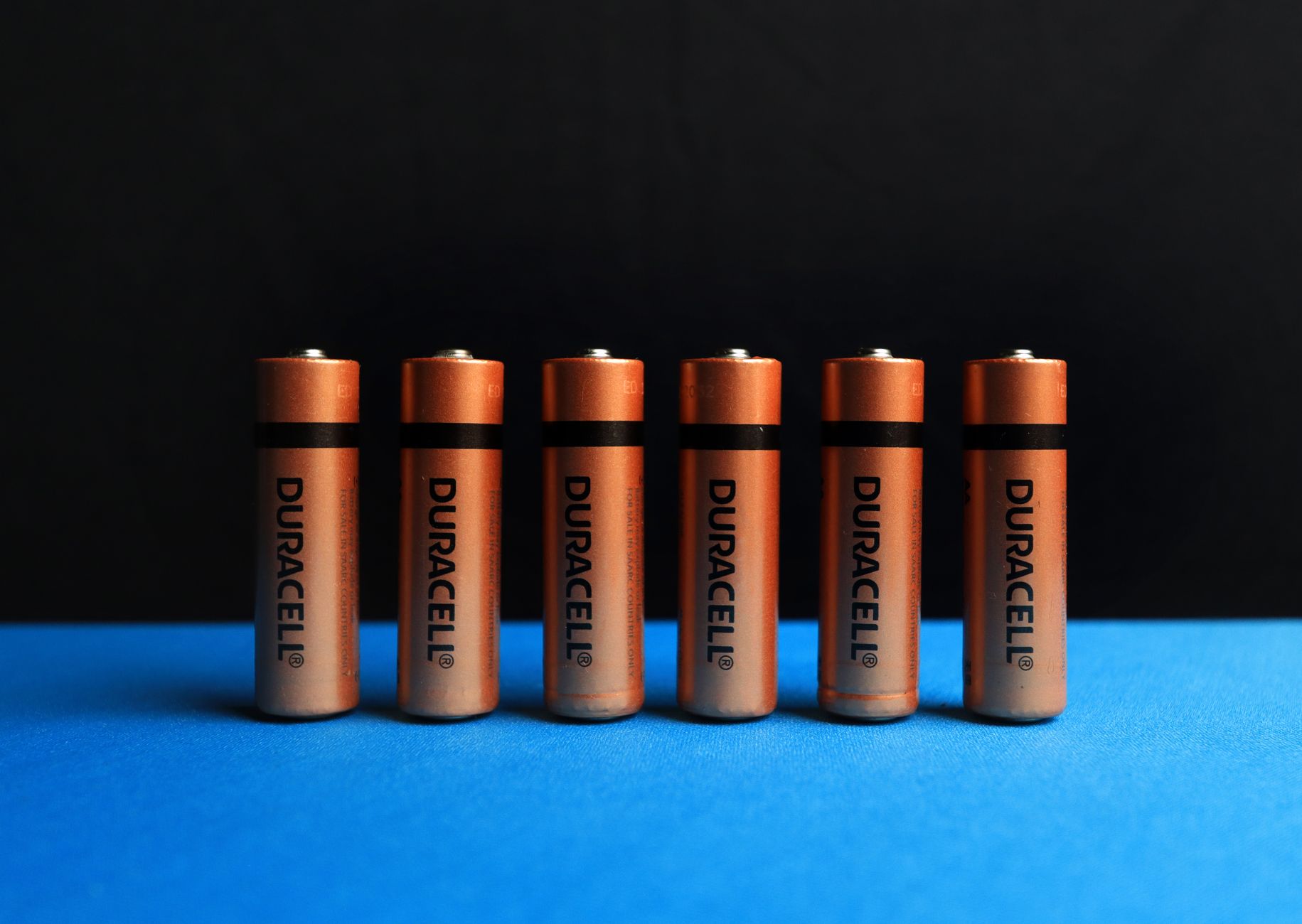
The EcoFlow Delta Pro Ultra is a lithium-ion power station that does the job a solid state power bank will eventually do. It delivers 7,200 watts running and 10,800 watts surge. That is enough to start a 240V well pump or run a sump pump during a spring thaw. One battery unit holds 6.1 kWh. At a 1,800 watt load, which covers a fridge, lights, internet, and a TV, it runs for 3.4 hours. You can expand it to 90 kWh with additional batteries for multi-day outages. Noise stays under 30 dBA, quieter than a refrigerator. No fuel, no fumes.
For whole-home use, you need a transfer switch. The Electrical Safety Authority requires a permit for that work. A licensed electrician must install it. The Delta Pro Ultra weighs 186 pounds per unit, so it is not something you carry up stairs. But it has wheels and handles. It pairs with solar panels for recharging during the day. For a full comparison of portable options, see our best portable power station guide. Check price.
Key strengths:
- ✅ 7,200W running and 10,800W surge handles well pumps and sump pumps
- ✅ Expandable to 90kWh for multi-day outages
- ✅ LFP battery lasts 6,000 cycles
- ✅ Quiet operation under 30 dBA
- ✅ No fumes or carbon monoxide
- ❌ Heavy at 186 lbs per unit, not easily moved
- ❌ Requires a transfer switch for whole-home, adding cost
- ❌ Expensive compared to a generator
Who it’s for: Homeowners who want a portable, silent, fume-free backup that can grow with their needs.
3. Tesla Powerwall 3 , Best whole-home battery backup
The Tesla Powerwall 3 is not solid-state, but it is the closest thing to a permanent solid state power bank for your wall. It delivers 11,500 watts continuous and 22,000 watts surge. That runs a typical Ontario home with central air conditioning, a well pump, and a freezer. Capacity is 13.5 kWh. At an average load of 1,500 watts, it lasts about 10 hours. Add more Powerwalls for longer outages. Noise is zero because there are no fans or moving parts. No fuel, no exhaust.
Installation requires a licensed electrician and an ESA permit. The Powerwall 3 includes an integrated solar inverter, so you can pair it with panels. That saves you the cost of a separate inverter. For Ontario homeowners with net metering, you can store excess solar and use it at night. Compare it to other home batteries in our Tesla Powerwall vs Enphase IQ battery guide. See the full specs at Tesla Energy.
Key strengths:
- ✅ 11,500W continuous power runs most homes without load shedding
- ✅ Silent operation, no fuel, no fumes
- ✅ Integrated solar inverter saves equipment cost
- ✅ 10-year warranty with 70% capacity retention
- ❌ Requires professional installation, not DIY
- ❌ Higher upfront cost than a portable station
- ❌ Limited availability in some Ontario regions
Who it’s for: Ontario homeowners who want a permanent, silent, whole-home battery that integrates with solar.
4. Generac Guardian 24kW , Best for long outages with fuel
A standby generator is not a solid state power bank. It is a combustion engine that burns propane or natural gas. But it solves the one problem batteries cannot: unlimited runtime. The Generac Guardian 24kW delivers 24,000 watts running and 48,000 watts surge. That runs a whole home including a 5-ton air conditioner, electric range, and well pump. Fuel consumption is 9.5 liters per hour at 50% load. On a 500-gallon propane tank, it runs for about 200 hours (8 days). Noise is 67 dBA at 23 feet, roughly as loud as a vacuum cleaner. It produces carbon monoxide, so it must be placed away from windows and doors.
For Ontario, you need a licensed electrician and a gas fitter. The Electrical Safety Authority requires a permit for the transfer switch. You also need an annual maintenance visit for oil, filters, and spark plugs. During an ice storm, a generator like this can keep your heat on for a week.
Key strengths:
- ✅ 24,000W running power handles whole-home including A/C
- ✅ Unlimited runtime with a large fuel supply
- ✅ Automatic transfer switch starts it within seconds
- ✅ Proven reliability in Ontario ice storms
- ❌ Loud at 67 dBA, annoying to neighbors
- ❌ Produces carbon monoxide, must be placed away from windows
- ❌ Requires fuel storage and annual maintenance
Who it’s for: Homeowners who face multi-day outages and want unlimited runtime, not a battery.
5. Anker SOLIX F3800 , Best portable power station with EV charging
The Anker SOLIX F3800 is a portable power station that acts like a solid state power bank for your essential circuits. It delivers 6,000 watts running and 9,000 watts surge. The base capacity is 3.84 kWh. At a 1,000 watt load, it runs for 3.8 hours. Expand it to 26.9 kWh with extra batteries for longer outages. Noise is under 30 dBA. No fuel, no fumes. It has a 240V output, which means it can run a well pump or charge an EV. That is rare for a portable station.
For home integration, you need a transfer switch and an ESA permit. The unit weighs 132 pounds but has wheels. It uses an LFP battery rated for 3,000 cycles. If you want to use it for EV backup, see our EV home backup power guide. For a wider look at solar-ready stations, check our best solar generators list. Check price.
Key strengths:
- ✅ 6,000W running and 9,000W surge for heavy loads
- ✅ 240V output for well pumps and EV charging
- ✅ Expandable to 26.9 kWh with additional batteries
- ✅ Quiet under 30 dBA
- ✅ LFP battery with 3,000 cycles
- ❌ Heavy at 132 lbs, though wheeled
- ❌ Not powerful enough for whole-home A/C
- ❌ Requires transfer switch for home integration
Who it’s for: Homeowners who want a portable, expandable power station that can also charge an EV.
Frequently Asked Questions
Can I buy a solid state power bank in Ontario today?
No. As of 2026, there are no consumer solid-state power banks for home backup available in Ontario or anywhere else. Solid-state cells are still in development for grid-scale and EV use.
What is the difference between solid state and lithium-ion for home backup?
Solid-state batteries use a solid electrolyte instead of a liquid one. That makes them lighter, safer from fires, and faster to charge. Lithium-ion is cheaper and available now, but it degrades faster and carries a small fire risk.
Do I need a permit to install a home battery in Ontario?
Yes. The Electrical Safety Authority requires a permit for any connection to your home’s electrical panel, including transfer switches for batteries and generators. A licensed electrician must do the work.
How long can a portable power station run my fridge?
A 3.8 kWh power station like the Anker SOLIX F3800 runs a typical 150W fridge for about 25 hours. Add expansion batteries to extend that to several days. Actual runtime depends on fridge efficiency and ambient temperature.
Is a standby generator better than a solid state power bank?
It depends on your needs. A standby generator like the Generac Guardian 24kW runs for days on fuel but is loud and produces carbon monoxide. A battery is silent and fume-free but has limited runtime. Many Ontario homeowners choose both.
What size power bank do I need for a week-long outage?
You need at least 20 kWh of storage for a week of essential loads. That means a whole-home battery like three Tesla Powerwall 3 units or a large portable station with expansion batteries. For a week, a generator is more practical.
What Should You Remember?
- Solid-state power banks are not yet available for home backup in Ontario or anywhere else.
- Today’s best alternative is a lithium-ion portable power station like the EcoFlow Delta Pro Ultra with 7,200W running.
- Whole-home batteries like Tesla Powerwall 3 offer 11,500W continuous power and silent operation.
- Standby generators like Generac Guardian 24kW run for days but produce 67 dBA noise and carbon monoxide.
- ESA permits are required for any transfer switch installation in Ontario.
- Portable power stations like Anker SOLIX F3800 can charge an EV and run a well pump.
- Expect solid-state home batteries to arrive in 2 to 3 years with double the energy density.
This article is for general information only. Always follow manufacturer instructions, local electrical codes, and hire a licensed electrician for transfer switches and standby generator installation. Carbon monoxide is deadly , never run a generator indoors.