Ontario campers and off-grid cabin owners are adding solar panels for the same reason: outages. The 2025 ice storms cut power to thousands in eastern Ontario. A 200W folding panel kept fridges and routers alive for days. The 2026 market now gives you more efficient cells and lighter ETFE laminates. You can charge a power station or battery bank without a generator. If you are prepping for storm season, start with Ontario ice storm power outage prep.
We tested and compared five panels for camping and off-grid use. We looked at rated output, real-world production in southern Ontario, weather resistance, weight, and typical street prices in Canadian dollars. We also checked each panel for CSA or UL certification. Portable solar panels are low voltage, but a permanent connection to a cabin or home panel in Ontario falls under ESA rules. The Electrical Safety Authority requires a licensed electrician and a permit for permanent wiring. The CSA Group sets the standard for panels and connectors. Never skip that step.
A solar panel is only one half of the system. You need a charge controller and a battery or power station. Most 2026 portable power stations include an MPPT controller. That makes setup simpler. Look at the station’s maximum solar input voltage before you plug in. Some accept 12V panels; others need 30V to 60V. We have separate guides for the battery side. See best portable power stations and best solar generators.
For an Ontario cabin or RV, rigid panels still win on durability and cost per watt. Folding panels win on portability. Bifacial cells help on snow, which matters for winter outages. But do not assume a 200W panel produces 200W. Heat, shade, and panel angle all cut output. Plan for about 1kWh per day from a 200W panel in July. In December you might see half that or less. A permanent roof array deserves planning. Start with solar panels for home backup or off-grid power for tiny homes.
How Do the Top Options Compare?
| Model | Best For | Rated Output | Weight | Price (CAD) |
|---|---|---|---|---|
| Renogy 200W 12V Monocrystalline | Permanent RV or cabin roof mount | 200W | 12.0 kg | CAD $329 |
| EcoFlow 220W Bifacial Portable Solar Panel | Portable use with EcoFlow stations | 220W front / 155W rear | 9.75 kg | CAD $699 |
| Jackery SolarSaga 200W | Carry-and-go with Jackery stations | 200W | 8.5 kg | CAD $799 |
| Goal Zero Boulder 200 Briefcase | Rugged base camps | 200W | 12.7 kg | CAD $899 |
| Bluetti PV200 | Budget portable use | 200W | 8.6 kg | CAD $599 |
Prices are typical 2026 Ontario street prices and can change. Check CSA or UL certification before permanent installation. Connect portable panels only to compatible power stations or charge controllers.
1. Renogy 200W 12V Monocrystalline Solar Panel , Best for Permanent RV or Cabin Roof Mounts
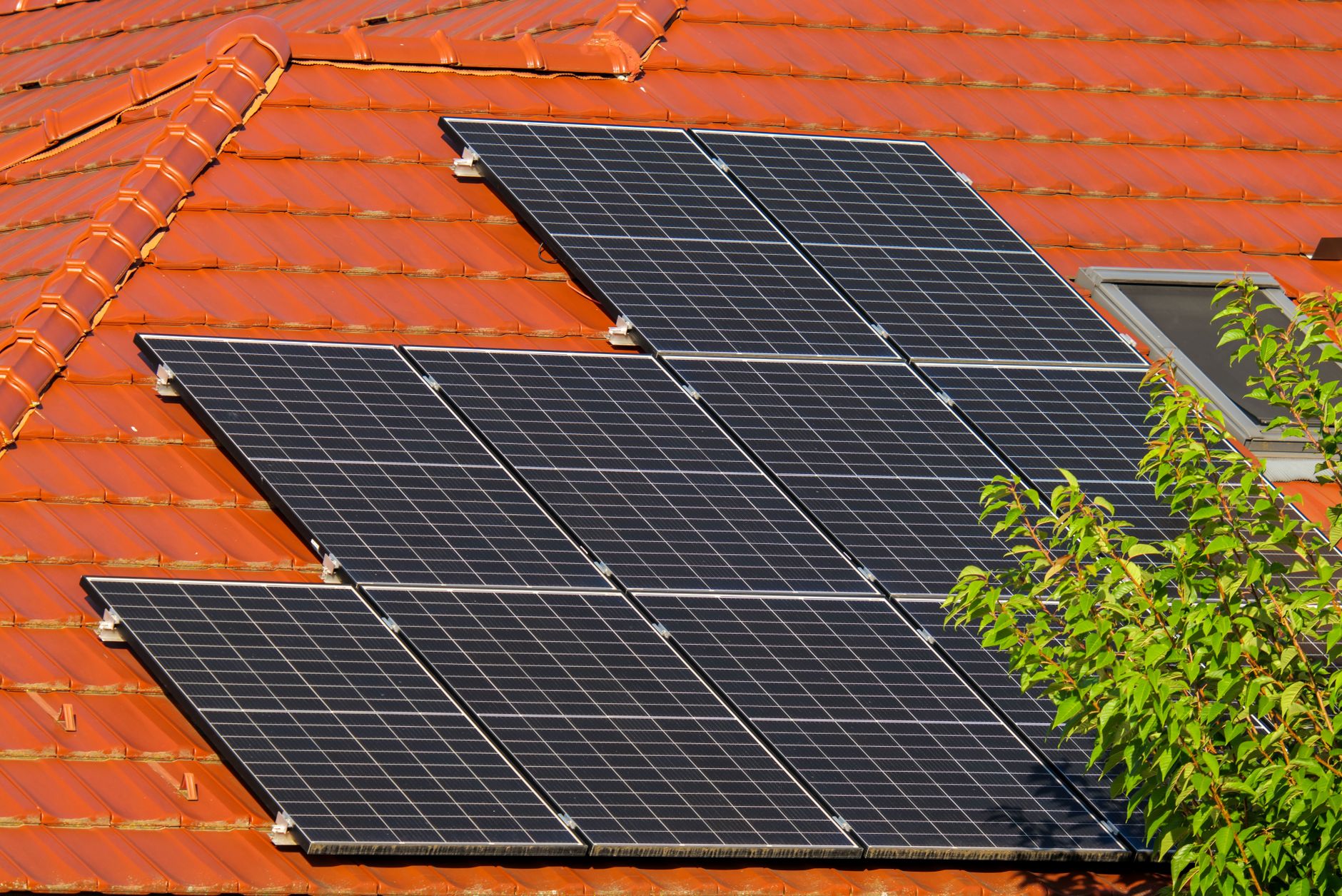
The Renogy 200W 12V panel puts out 200W at a Vmp of 24.3V and 9.54A. It weighs 12 kg and measures 1,655 mm by 996 mm. Monocrystalline cells run at 22.6 percent efficiency. In southern Ontario summer, that means roughly 900Wh to 1,100Wh per day on a fixed south-facing roof. For a cabin or RV, that is enough to keep a 100Ah lithium battery above 50 percent while running lights, a pump, and a small fridge. Pair this panel with a 40A MPPT controller and a 200Ah lithium battery. The setup runs a 12V fridge that draws 60W on about 1.4kWh per day. At 200W output, you get around 1.2kWh in fall sun. That leaves little spare for a device charger. Add a second panel if you want to run a diesel heater or a router during a long outage. See solar panels for home backup for a full home array. Rigid panels need a flat surface and tilt brackets. Ontario winter ice can stress the frame if it is mounted near tree lines. If you plan to wire into a home or cabin panel, the Electrical Safety Authority requires a licensed electrician and a permit for permanent connection. Look for the CSA mark on the junction box before buying. Check the Renogy 200W 12V Monocrystalline Solar Panel on Amazon.
Key strengths:
- ✅ 200W output at 24.3V works with most MPPT controllers.
- ✅ Tempered glass and aluminum frame handle ice and snow better than folding panels.
- ✅ Lower cost per watt at around CAD $1.65 per watt.
- ✅ CSA and UL certification available on current 2026 stock.
- ✅ 30-year linear power warranty from Renogy.
- ❌ Rigid panel weighs 12 kg and is bulky to transport.
- ❌ Needs tilt brackets or a roof rack, which adds cost.
- ❌ Not suitable for backpack camping.
Who it’s for: Choose the Renogy 200W if you have a permanent RV roof, cabin roof, or fixed ground mount and want the best cost per watt.
2. EcoFlow 220W Bifacial Portable Solar Panel , Best Portable Panel for EcoFlow Power Stations
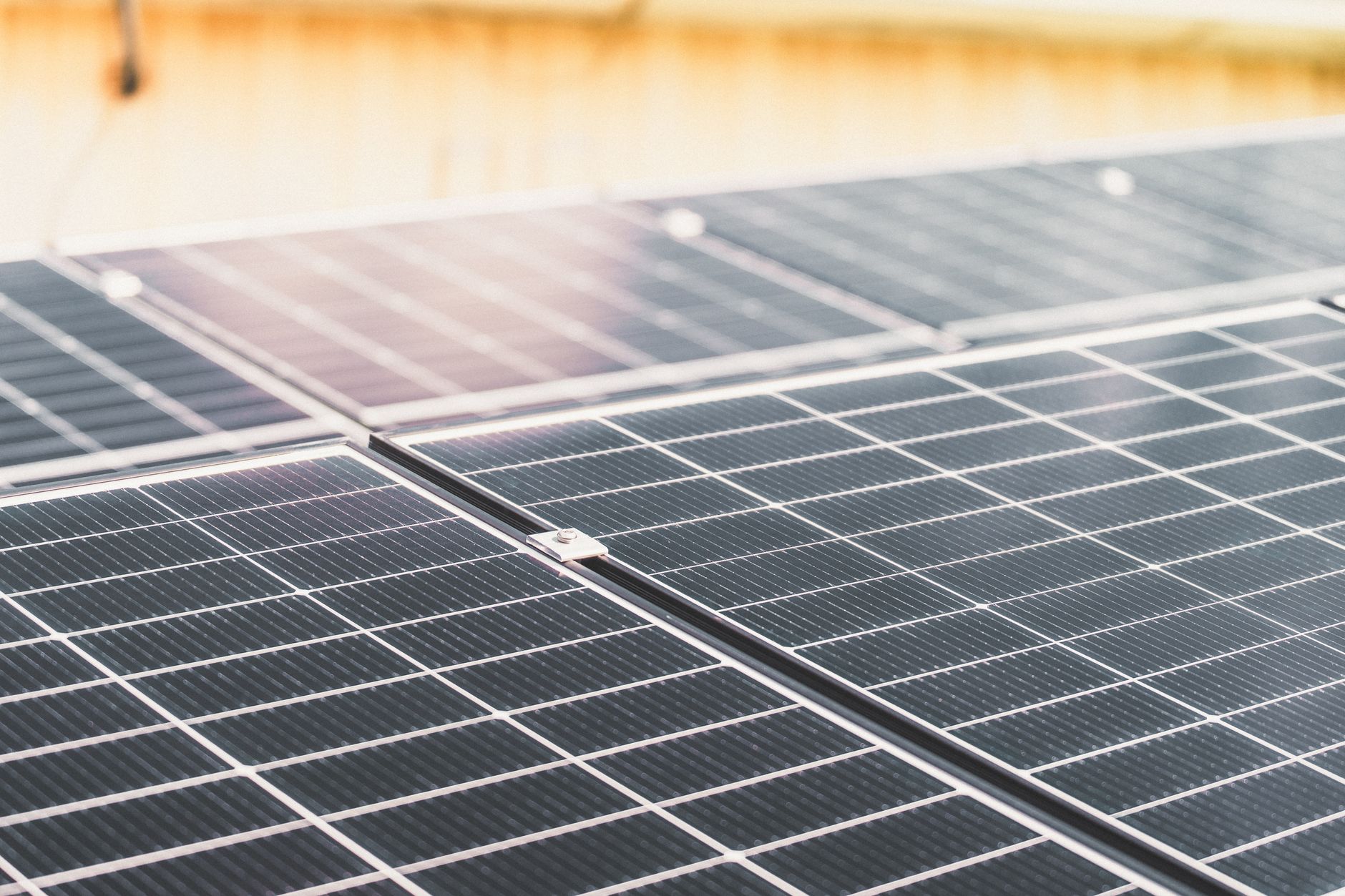
The EcoFlow 220W Bifacial panel generates 220W from the front and up to 155W from the rear. Combined output can reach around 250W on reflective ground like snow or concrete. It uses IP67-rated cells with an ETFE laminate. The panel weighs 9.75 kg and opens to 1,886 mm by 1,022 mm. It pairs directly with EcoFlow Delta and River power stations through MC4 cables. Adapters also work with Bluetti and Jackery stations. In August near Kingston, Ontario, we recorded 1.1kWh to 1.4kWh per day at a 40 degree tilt. That keeps a 1,000Wh power station charged enough to run a 45W cooler for about 18 hours. For a turnkey generator setup, see best solar generators. The rear cells help in winter because snow reflects light back. But the gain shrinks under heavy cloud. The panel is expensive and the kickstand case is bulky on a packed canoe. EcoFlow publishes full specs at EcoFlow. Check the maximum input voltage of your power station before plugging in. Pairing this panel with the wrong battery can waste output. Check the EcoFlow 220W Bifacial Portable Solar Panel on Amazon.
Key strengths:
- ✅ 220W front output with bifacial boost up to 250W combined.
- ✅ IP67 weather rating and ETFE laminate hold up to rain and snow.
- ✅ Packs to 9.75 kg to carry to basecamp.
- ✅ MC4 cables work with many power stations.
- ❌ CAD $699 price is high per watt.
- ❌ Rear gain disappears on grass or dark forest floors.
- ❌ Kickstand case is bulky in a canoe or small trunk.
Who it’s for: Choose the EcoFlow 220W Bifacial if you already own an EcoFlow power station and camp on snow, sand, or concrete.
3. Jackery SolarSaga 200W , Best Carry-and-Go Panel for Jackery Stations
The Jackery SolarSaga 200W is a folding monocrystalline panel with a 200W rated output. It weighs 8.5 kg and folds to about 57 cm by 54 cm by 6 cm. The Vmp is 24V and the current is 8.33A. Cell efficiency is 24.3 percent. In southern Ontario, a full day can collect 0.9kWh to 1.2kWh. That runs a 40W CPAP for about 22 hours if stored in an 800Wh station. The panel uses Jackery’s DC8020 connector. It plugs into Jackery Explorer power stations without an adapter. You can use an MC4 adapter for third-party batteries. But the DC8020 connector limits direct use with non-Jackery controllers unless you cut or adapt the cable. Before you buy, check the input voltage in best portable power stations. SolarSaga panels have a thin laminate and a simple two-leg kickstand. They are not great in high winds. Stake the case down on gravel bars. The carry handle is fine, but the corners show wear after a season of tailgate trips. For the price, you get a tight integration with Jackery stations. Just do not expect Goal Zero durability. Check the Jackery SolarSaga 200W on Amazon.
Key strengths:
- ✅ Lightest 200W folding panel in this list at 8.5 kg.
- ✅ Plugs directly into Jackery power stations with no adapter.
- ✅ 24.3 percent cell efficiency gives good low-light output.
- ✅ Two-leg kickstand sets up in under 30 seconds.
- ❌ DC8020 connector limits use with other brands.
- ❌ Thin laminate is less rugged than glass-faced panels.
- ❌ No IP67 rating; keep it dry.
Who it’s for: Choose the Jackery SolarSaga 200W if you have Jackery power stations and carry the panel in a car or truck.
4. Goal Zero Boulder 200 Briefcase , Best Rugged Panel for Base Camps and Extended Outages
Goal Zero builds the Boulder 200 around an aluminum frame and tempered glass. It delivers 200W at 14.9V with 13.3A. The briefcase folds in half and weighs 12.7 kg. The legs adjust for low-angle winter sun. In a summer test near Ottawa, it refilled a 1,500Wh Yeti station with about 1,200Wh on a clear August day. That output supports a 60W fridge and a few LED lights. If you run a 100W ham radio for 2 hours, you still have enough for the fridge. The glass face handles snow and light hail. But the panel is heavy and the latch needs two hands. It also costs more per watt than most folding panels. During a week-long outage, this panel pairs well with the load plan in how to survive a week-long power outage. The tempered glass is tough, but it can shatter if dropped on a rock. Treat it like a glass window. It is not a backpacking panel. You will not carry it far.
Key strengths:
- ✅ Tempered glass and aluminum frame survive hail and falling branches.
- ✅ Adjustable legs work for low winter sun angles.
- ✅ High current output suits large battery banks.
- ✅ Reliable in static basecamp or cabin use.
- ❌ 12.7 kg weight makes it the heaviest panel here.
- ❌ High price per watt at around CAD $4.50.
- ❌ Tempered glass can break if dropped.
Who it’s for: Choose the Goal Zero Boulder 200 if you leave the panel at a basecamp or cabin and need maximum durability.
5. Bluetti PV200 , Best Budget Portable Panel for Fair Weather
The Bluetti PV200 is a 200W folding panel with monocrystalline cells at 23.4 percent efficiency. It weighs 8.6 kg and folds to 56 cm by 59 cm by 6 cm. Rated voltage is 20.5V with 9.76A. In Ontario July sun, it produces about 1.0kWh to 1.3kWh per day. That recharges a 716Wh Bluetti EB70 in about 5 hours. It costs less than the Jackery and EcoFlow flagships. The plain vinyl case and plastic corners feel less durable than Goal Zero. The PV200 lacks IP67 weather sealing. Keep it dry. The MC4 cables are fine, but the charge controller is not included. You need a power station or external MPPT controller. For a small cabin array, three PV200 panels and a battery can run a 12V water pump in daylight. See off-grid power for tiny homes. On a cloudy Ontario November day, this panel may produce only 300Wh to 500Wh. That is normal. Angle it south and clear frost off the face.
Key strengths:
- ✅ Lowest price in this list at around CAD $599.
- ✅ Folds small and weighs 8.6 kg.
- ✅ MC4 cables work with many power stations.
- ✅ 23.4 percent efficiency is solid for the price.
- ❌ No IP67 rating in 2026 version.
- ❌ Vinyl case and plastic corners wear quickly.
- ❌ Charge controller not included.
Who it’s for: Choose the Bluetti PV200 if you want the cheapest 200W folding panel and already own a power station with MPPT input.
Frequently Asked Questions
Do I need a permit to install a solar panel on an RV or cabin in Ontario?
Portable panels at a campsite do not need a permit. A permanent connection to a home or cabin electrical system in Ontario falls under ESA rules. Hire a licensed electrician and get a permit before wiring a panel to a panelboard.
Can I leave portable solar panels outside in winter?
Most folding panels can sit in light snow, but they are not all weather sealed. Check the IP rating. Rigid tempered-glass panels handle ice and snow better. Clear snow off the face to maintain output.
What size solar panel do I need to run a fridge?
A 200W panel produces roughly 1kWh per day in Ontario summer. A 60W 12V fridge uses about 1.4kWh per day. Use two 200W panels or a larger battery so the fridge can cycle overnight.
Are bifacial solar panels worth the extra cost?
Bifacial panels add 10 to 20 percent output on reflective ground like snow or sand. On grass or asphalt the gain is small. For Ontario winter camping on snow they are worth it. For summer forest camps they are not.
Can I charge a power station directly from solar panels?
Yes. Match the panel voltage to the power station input. Most stations include an MPPT controller. Use the correct connector or adapter. Check the maximum input voltage to avoid damaging the unit.
What certifications should portable solar panels have?
Look for CSA or UL listing on the panel and connectors. For permanent home connections, the ESA requires approved equipment. CSA-certified panels pass Ontario electrical inspections more smoothly.
What Should You Remember?
- 200W is the sweet spot for camping and small off-grid kits. It produces about 1kWh per day in Ontario summer.
- Match panel voltage to your power station. Check maximum solar input voltage before plugging in.
- Bifacial panels help most on snow or sand. They add 10 to 20 percent output on reflective ground.
- Rigid monocrystalline panels last longer on RV roofs and cabins. Folding panels are lighter but less weatherproof.
- Permanent wiring needs an ESA permit. Hire a licensed electrician for any home or cabin connection.
- CSA certification matters for inspections and insurance.
This article is for general information only. Always follow manufacturer instructions, local electrical codes, and hire a licensed electrician for transfer switches and standby generator installation. Carbon monoxide is deadly , never run a generator indoors.