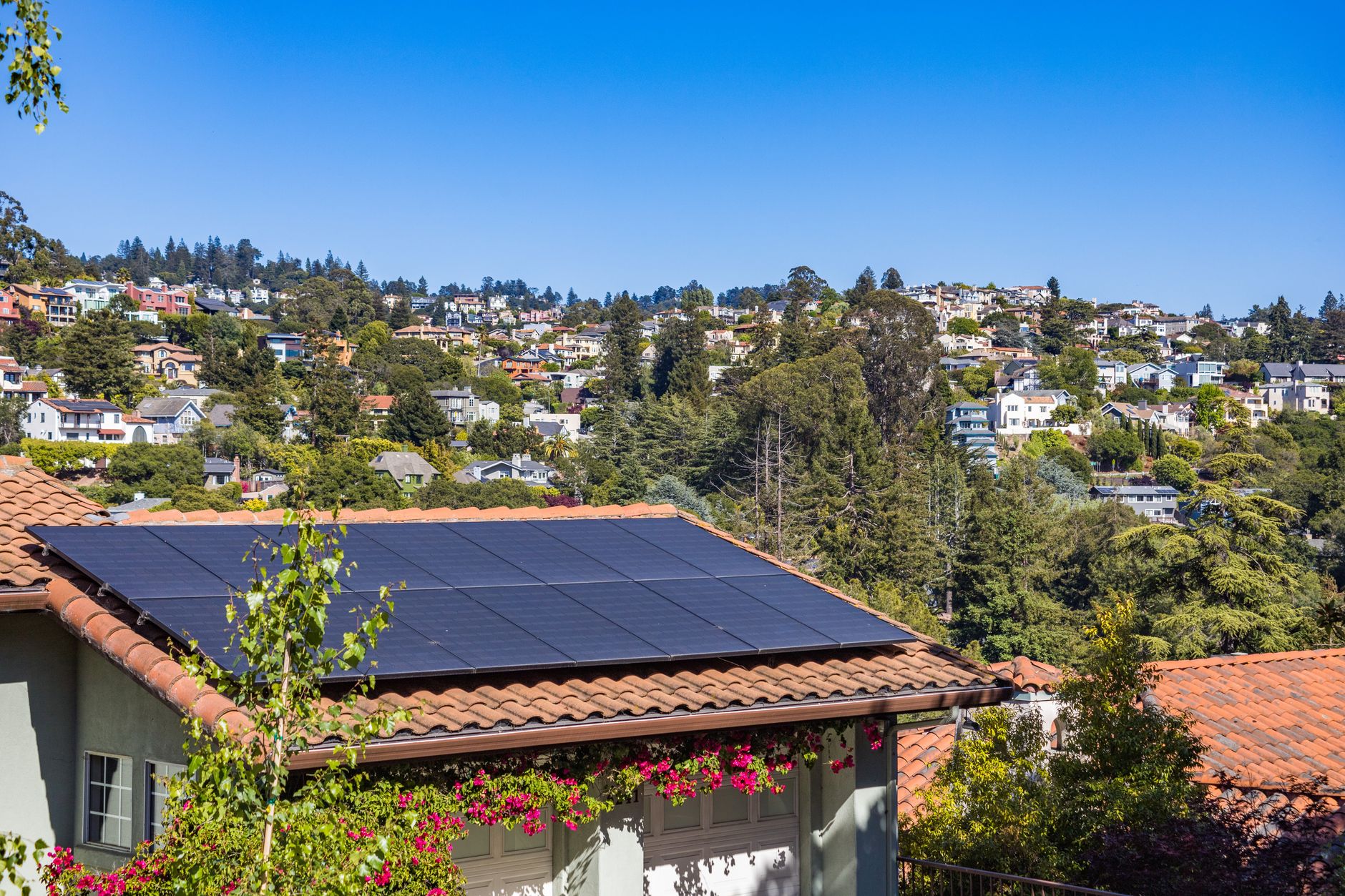
Residential solar statistics for 2026 tell a story of a pullback, not a record: U.S. residential solar installs fell 32% in 2024 to 4.7 GWdc, the segment’s lowest year since 2021, according to SEIA — even as the overall U.S. solar market set a record of nearly 50 GW driven by utility-scale projects. A higher share of new residential systems than ever included battery storage. In Canada, most residential solar capacity sits in Ontario, Alberta, and British Columbia. Homeowners planning solar panels for home backup should read these figures carefully.
The residential slowdown matters because generation is not the same as outage protection. A grid-tied solar array will not power a home during a blackout unless it is paired with storage or a battery-backed inverter. This explains why rising attachment rates are important. Homeowners adding storage can use whole-house battery backup for critical loads. For shorter, portable needs, a best solar generator can handle small circuits.
In Canada, the concentration in Ontario, Alberta, and British Columbia changes where backup planning matters most. Homeowners in those provinces may compare solar and batteries with propane vs natural gas generators. For U.S. grid reliability data, the U.S. Energy Information Administration tracks outage durations. Canadian solar capacity data comes from Natural Resources Canada. Implication: solar growth without storage leaves most homes grid-dependent, so 2026 planning must pair panels with batteries or generators.
U.S. Residential Solar Installed Capacity
| Stat | Detail | Source |
|---|---|---|
| 4.7 GWdc | U.S. residential solar additions in 2024, down 32% from 2023 and the segment’s lowest annual figure since 2021. The overall U.S. solar market still set a record of ~50 GW, driven by utility-scale projects. | SEIA / Wood Mackenzie, 2025 |
U.S. Residential Solar + Storage Attachment Rate
| Stat | Detail | Source |
|---|---|---|
| ~40% | of new U.S. residential solar systems in 2024 were paired with battery storage, up from prior years. Outage risk, time-of-use rates, and state incentive changes drove the rise. | SEIA / Wood Mackenzie, 2025 |
Canadian Residential Solar Geographic Concentration
| Stat | Detail | Source |
|---|---|---|
| Ontario, Alberta, British Columbia | Canadian residential solar capacity remains concentrated in Ontario, Alberta, and British Columbia. Ontario is the largest historical market, while Alberta and British Columbia show stronger recent growth. | Natural Resources Canada, 2025 |
Frequently Asked Questions
Was 2024 a record year for U.S. residential solar?
No — the opposite. SEIA reports U.S. residential solar installs fell 32% in 2024 to 4.7 GWdc, the lowest since 2021, held back by higher financing costs, company bankruptcies, and California net-metering changes. The record year was for the overall U.S. solar market (~50 GW), driven by utility-scale projects rather than rooftops.
Does residential solar work during a power outage?
A standard grid-tied solar system will normally shut down during an outage. This protects utility workers. To keep solar power during an outage, you need battery storage or a generator. See whole-house battery backup for fixed storage options.
Why are more U.S. solar buyers adding batteries?
Rising outage risk, time-of-use electricity rates, and state incentive changes have increased battery attachment. Storage lets homeowners use solar energy after sunset and keep essential loads running during blackouts.
Which Canadian provinces lead in residential solar?
Ontario, Alberta, and British Columbia contain most Canadian residential solar capacity. Ontario is the largest historical market. Alberta and British Columbia have shown stronger recent growth. For data, see Natural Resources Canada.
Should I size my solar system for whole-home backup?
You should first know which loads you need during an outage. Then decide between a solar plus battery system, a standby generator, or a portable option. The generator safety tips page can help with safe operation.