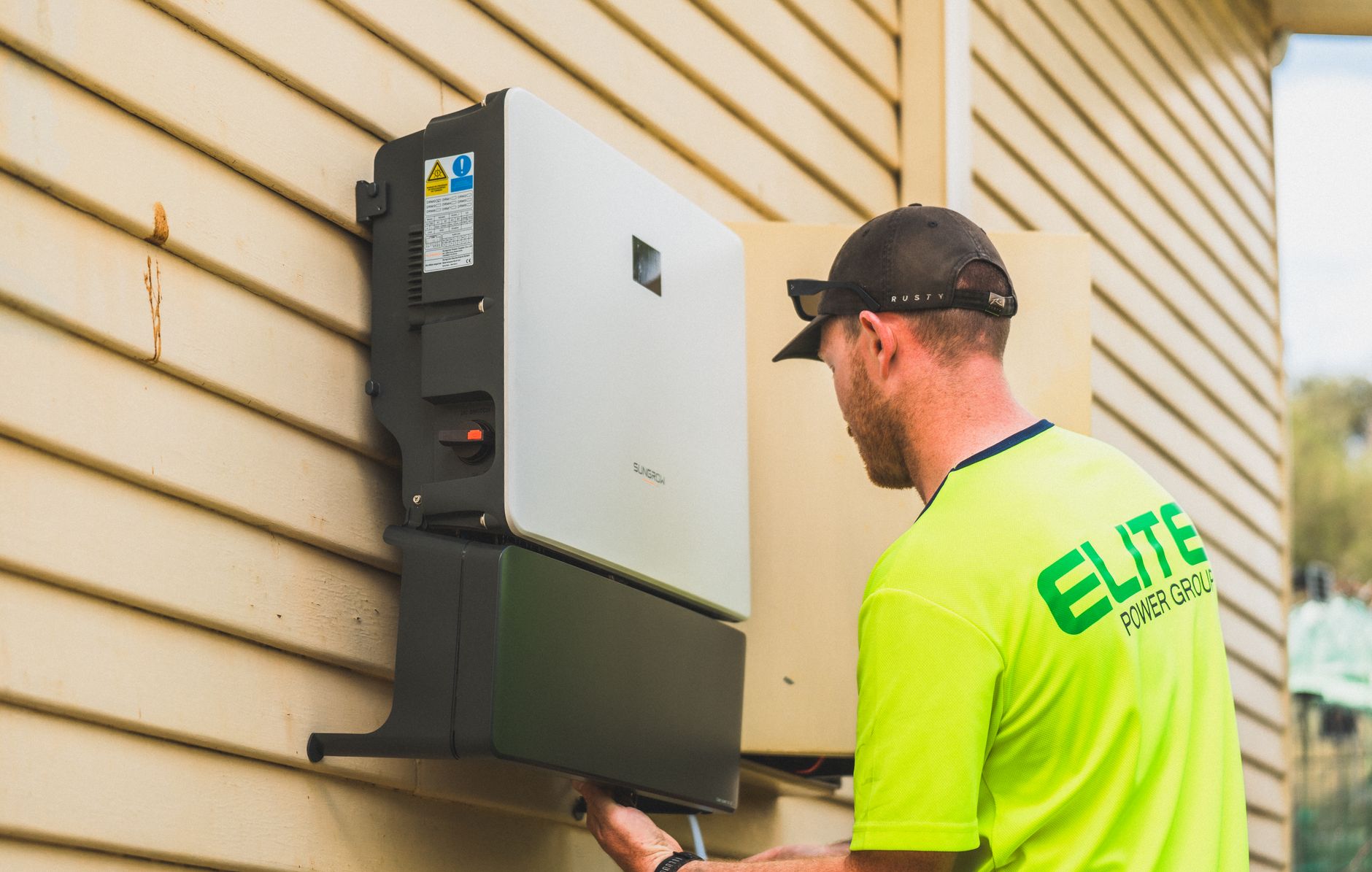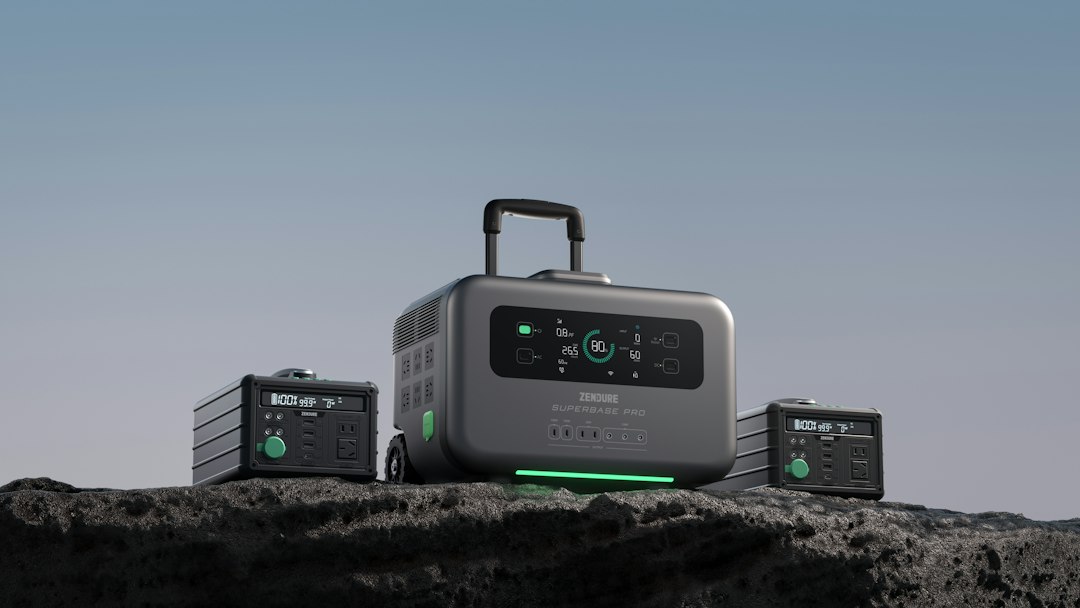
Most battery backup advice skips the one spec that decides whether your furnace, well pump or air conditioner runs at all. That spec is voltage. A 120V portable power station can carry the fridge, the router and a few lamps, but a 240V load needs split-phase output, meaning two hot legs 180 degrees apart. No split-phase output means the double-pole breakers in your panel stay dead no matter how many kilowatt-hours you own. This guide compares five 240V battery backup routes that Ontario homeowners can actually buy and install, from a single Tesla Powerwall 3 to a stacked EcoFlow pair. If you are still weighing batteries against a standby generator, start with our whole-house battery backup guide before you read further.
Ontario has a specific reason to care. The April 2025 ice storm cut power to more than 400,000 homes across the province, some for the better part of a week. Rural properties on long feeders wait longer, because hydro crews restore dense urban circuits first. A gas furnace, a 240V well pump and a sump pump all sit on double-pole breakers, and all three matter more in an Ontario winter than the lights do. Our Ontario ice storm prep guide covers the outage timeline in detail. The short version: a system that cannot feed 240V leaves you heating one room with a space heater and melting snow in the bathtub.
Here is how I compared these five systems, and what I ignored. Marketing capacity in kilowatt-hours tells you almost nothing on its own. What matters is usable capacity, continuous output at 240V, surge output for motor starts, where the unit can be mounted, and whether an Ontario electrical inspector will pass it. Any permanent battery installation in this province needs an electrical permit and a Licensed Electrical Contractor doing the work, per the Electrical Safety Authority. Equipment also needs the right certification marks, and the CSA Group publishes the Canadian Electrical Code rules, including Section 64, that govern energy storage wiring and disconnects.
Read the comparison table first, then the five sections. Each entry lists a realistic runtime instead of a lab number, plus three to five advantages and the drawbacks nobody mentions in the showroom. Two of these systems are turnkey installer products. Three can be expanded over time, which matters if you plan to add an EV or a heat pump later. If your real question is whether you need a battery at all, our generator sizing guide walks through load calculations the same way an electrician would. One honest warning before the table: no battery in this list runs a whole house for a week on its own. Pairing storage with a generator or a solar array is how people in rural Ontario get through a five-day outage, and I say so in each section where it applies.
How Do the Top Options Compare?
| System | Best For | Usable Storage | 240V Output | Typical Runtime | Price |
|---|---|---|---|---|---|
| Tesla Powerwall 3 | Whole-home backup with solar | 13.5 kWh per unit | 11.5 kW continuous | About 9 hours at 1.5 kW | Installer quote only |
| Enphase IQ Battery 5P | Existing Enphase solar owners | 5.0 kWh per unit | 3.84 kW continuous, 7.68 kW peak | About 3 hours per unit at 1.5 kW | Installer quote only |
| EcoFlow DELTA Pro Ultra | Modular backup without a battery wall | 6.1 kWh per battery | 240V with two units and the Smart Home Panel 2 | About 10 hours from 12.2 kWh at 1.2 kW | Check price |
| FranklinWH aPower 2 | Heavy 240V motor loads | About 15 kWh per unit | 10 kW continuous, 20 kW peak | About 10 hours at 1.4 kW | Installer quote only |
| EG4 18kPV and PowerPro | Lowest cost per usable kWh | 14.3 kWh per battery | 12 kW continuous, 24 kW surge | About 19 hours from 28.6 kWh at 1.5 kW | Check price |
Spec sheet numbers come from manufacturer documentation and are rounded. Real runtime depends on load profile, outdoor temperature, battery age and depth of discharge. Ontario installations need an electrical permit and a Licensed Electrical Contractor. Confirm certification marks and clearance requirements with your installer and the Electrical Safety Authority before you order hardware. No dollar figures appear in this table on purpose, because installed quotes vary with panel condition, distance from the service, and local labour rates.
1. Tesla Powerwall 3 , Best for whole-home 240V backup with solar
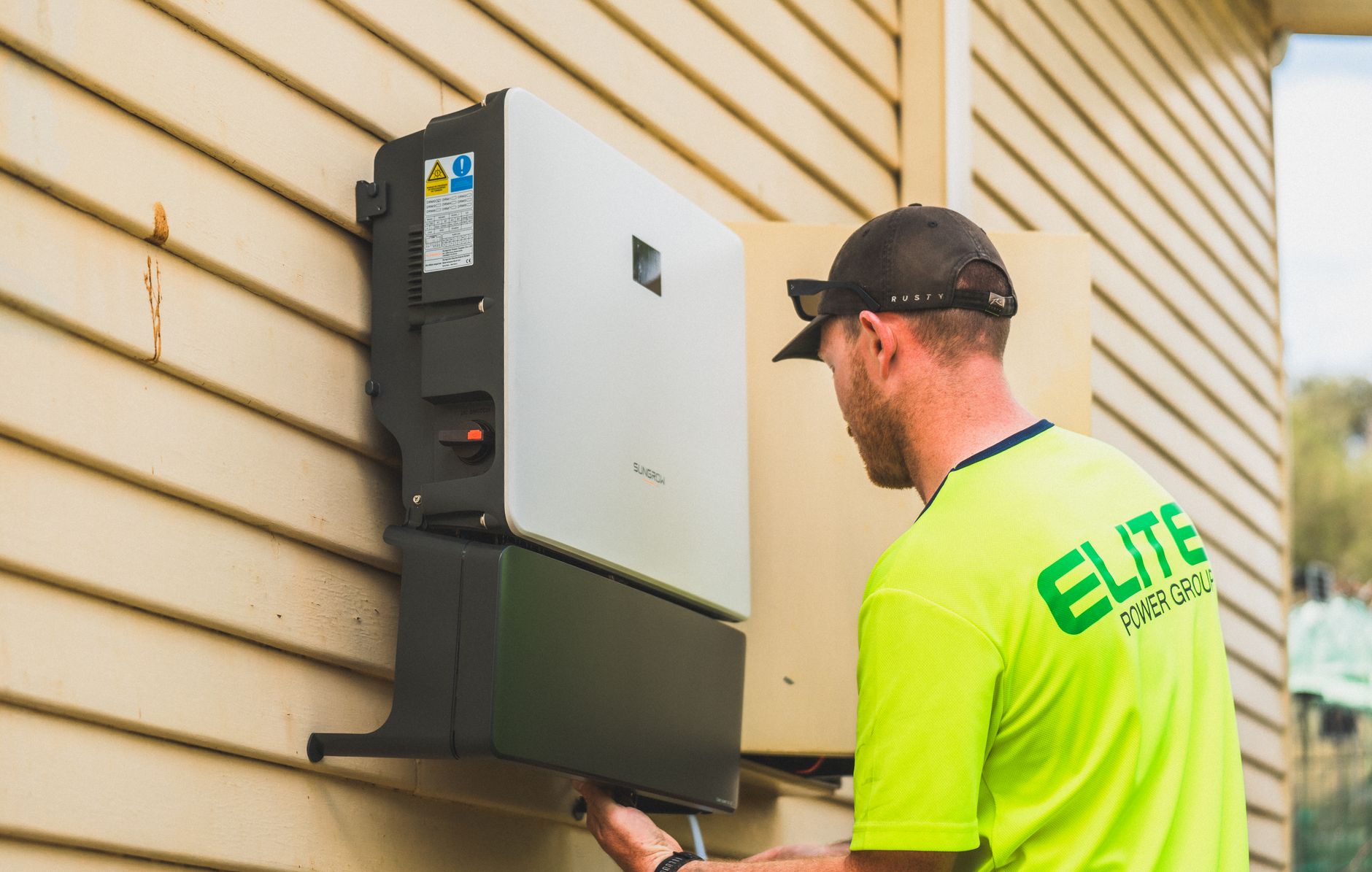
Tesla’s Powerwall 3 is the most straightforward path to 240V backup if you have wall space in a garage or basement and an installer in your region. A single cabinet holds 13.5 kWh of usable storage and an 11.5 kW inverter that feeds your panel at 240V through a Tesla Backup Gateway or Backup Switch. That 11.5 kW number matters more than the storage figure in most Ontario houses. It starts a 3-ton central air conditioner, which draws roughly 3,500W while running and spikes past 10,000W for a fraction of a second at startup. Tesla Energy also builds solar inputs into the same cabinet, so a new array can wire directly into the battery instead of through a separate inverter.
Runtime math is where buyers get surprised. A typical Ontario home idles at 800W to 1,500W in the evening with the fridge, lights, router and television running. Divide 13.5 kWh by 1.5 kW and you land near nine hours of continuous draw, which is real but not generous. Drop to a winter emergency load of a 700W gas furnace blower cycling 20 minutes per hour plus a fridge, and the average falls under 400W. One Powerwall then runs that setup for well over a day. Add a second unit for 27 kWh and most homes stretch past two days without touching a fuel can.
Everything is installer work. Tesla’s certified installers handle the gateway, the permit and the inspection, and in Ontario that permit comes from the Electrical Safety Authority. There is no portable mode, no extension cords and no way to take the battery to a job site. If you want the battery to also cover your car during a long outage, read our EV home backup power guide before you size the system, because charging a car at 7 kW drains 13.5 kWh in under two hours.
The drawbacks are real. Powerwall 3 is sold as an installed product only, so you never see a hardware number until an installer surveys your panel. Lead times move around with demand. The cells are not LFP, and Tesla does not publish cycle life the way Enphase and EcoFlow do. There is also nothing user-serviceable inside the cabinet. If the inverter fails in year six, you wait for a technician.
Key strengths:
- ✅ Highest power per cabinet in this group: 11.5 kW continuous at 240V, enough to start central air conditioning that smaller batteries cannot.
- ✅ Integrated solar inputs remove one piece of hardware from a new solar plus storage install.
- ✅ One unit covers a stripped-down winter emergency load for a full day or more.
- ✅ Widest certified installer network of any home battery brand operating in Ontario.
- ✅ Clean app monitoring shows household load, solar production and battery state on one screen.
- ❌ Installer-only sales, so you cannot compare hardware cost before a site visit.
- ❌ Non-LFP chemistry with no published cycle life figure, unlike the LFP systems in this list.
- ❌ No portable function and no user-serviceable parts inside the cabinet.
Who it’s for: Choose the Powerwall 3 if you want one clean cabinet, a wide installer network and enough 240V power to start a central air conditioner.
2. Enphase IQ Battery 5P , Best for existing Enphase solar owners
Enphase built its name on microinverters, and the IQ Battery 5P follows the same modular thinking. Each unit stores 5.0 kWh of usable LFP capacity and delivers 3.84 kW continuous at 240V, with a 7.68 kW peak for ten seconds. That peak rating is the interesting number. It exists for motor starts, so a pair of 5P units can start a well pump or a small air conditioner that a single unit cannot. Enphase backs the battery with a 15-year limited warranty, the longest in this comparison, and the enclosure is rated for outdoor mounting.
AC coupling is the selling point for anyone who already owns solar. The battery sits on your existing wiring instead of replacing your string inverter. Three or four units build a 15 kWh or 20 kWh bank, and each one adds 3.84 kW of output, so a four-unit system reaches 15.4 kW continuous. That is genuinely strong for a modular product. Per-unit runtime is modest: 5.0 kWh against a 1.5 kW house load gives you about three hours, so one battery is a fridge-and-furnace unit, not a whole-home unit.
Noise is effectively zero. There is no engine, no exhaust and no fuel, and the cabinet is built for outdoor walls where any internal fan noise disappears into the background. Compare that with the 65 to 67 dBA a typical air-cooled standby generator produces at 23 feet. For anyone running a CPAP, an oxygen concentrator or other home medical equipment, that difference is the whole argument, and our emergency power for medical equipment guide explains how to size a battery around device duty cycles rather than nameplate watts.
The honest downside is power density. A single 5P will not start a 3-ton air conditioner and will not run an electric range. You need three or four units for that, plus an Enphase System Controller for whole-home backup, and the installed cost per kilowatt-hour lands near the top of this group. The system also works best when Enphase owns the whole picture. Mixing it with a third-party inverter is allowed, but support gets murky fast.
Key strengths:
- ✅ 15-year limited warranty, the longest coverage in this comparison.
- ✅ LFP chemistry with a documented cycle life and a strong thermal safety record.
- ✅ AC-coupled design reuses existing solar inverters and wiring instead of replacing them.
- ✅ 7.68 kW peak output per unit handles motor starts that the 3.84 kW continuous rating would suggest it cannot.
- ✅ Silent operation with no fuel storage, no exhaust and no carbon monoxide risk.
- ❌ Only 3.84 kW continuous per unit, so heavy 240V loads need three or four batteries.
- ❌ Highest installed cost per usable kilowatt-hour of the systems here.
- ❌ Best value only if you stay inside the Enphase equipment family.
Who it’s for: Pick the IQ Battery 5P if you already run Enphase solar, want a 15-year warranty and can live with 5 kWh blocks.
3. EcoFlow DELTA Pro Ultra with Smart Home Panel 2 , Best for modular 240V backup without a battery wall
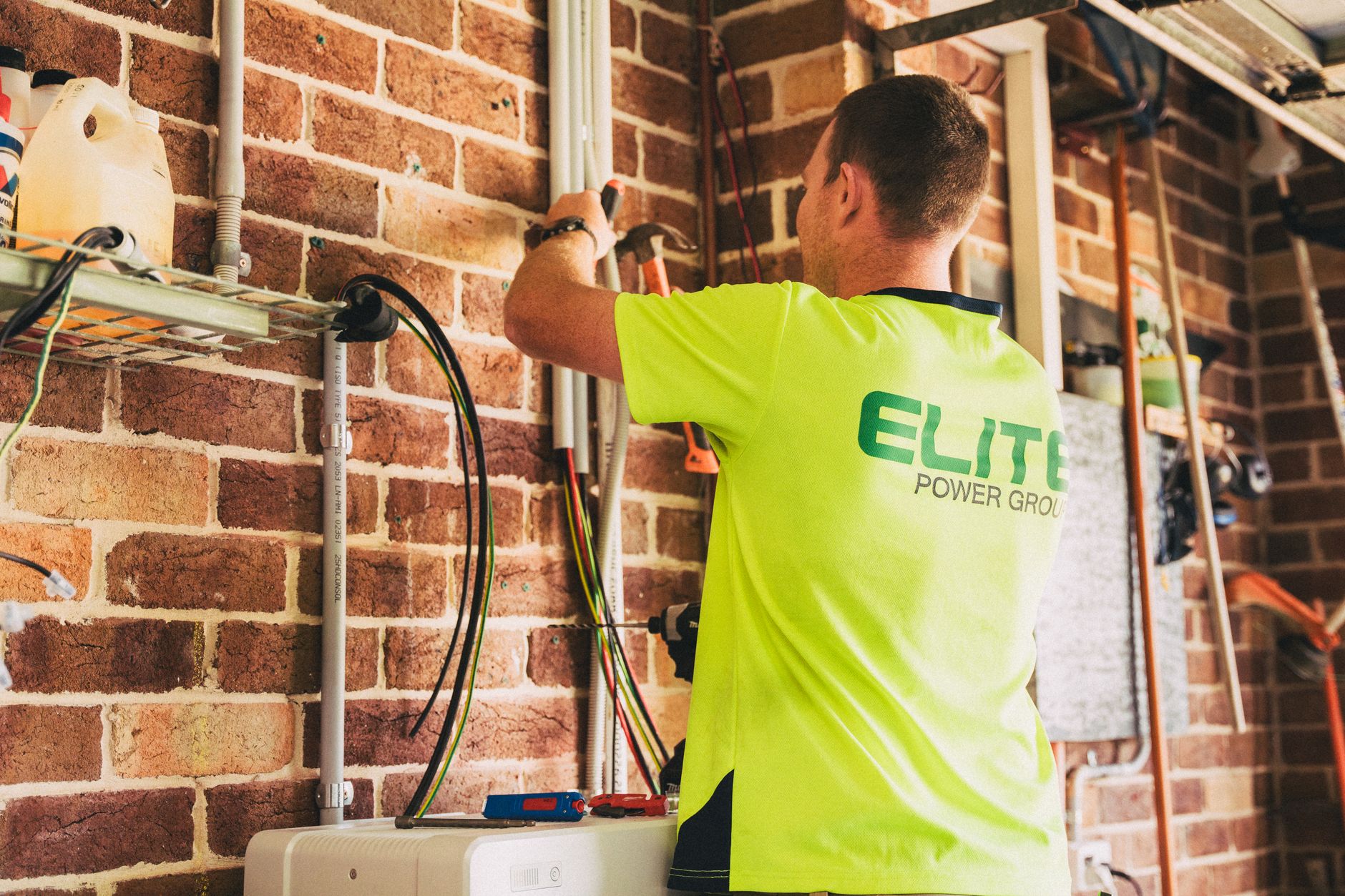
The DELTA Pro Ultra is the odd one out here because it started life as a portable product. Each inverter unit pairs with a 6.1 kWh LFP battery, and the inverter produces 7.2 kW of continuous output. EcoFlow sells storage in 6.1 kWh blocks, so a two-battery stack reaches 12.2 kWh without any wall-mounted cabinet. The Smart Home Panel 2 is what turns it into a 240V system. Two DELTA Pro Ultra units wired through that panel produce split-phase 240V and feed a set of backed-up circuits in your main panel.
Installation still requires an electrician, and in Ontario it still requires a permit. The Smart Home Panel 2 mounts next to your main panel and moves selected circuits behind it, which is a smaller job than rewiring a whole service but not a homeowner job. Budget for a Licensed Electrical Contractor either way. The upside is that the batteries come with you if you move, and you can buy one unit now and add a second later instead of committing to a full backup system in one purchase.
Runtime is competitive with wall batteries. A 12.2 kWh pair running a 1.2 kW emergency load covers about ten hours, and you can add more 6.1 kWh batteries to the same inverters. Solar input is built in, so a few panels on a shed or a ground mount can recharge the stack without a separate charge controller. There is no fuel to store, no exhaust, and the loudest thing in the room is fan noise under heavy load. That is a different world from a portable generator running at 65 dBA in the driveway.
Two cautions. First, check the certification marks on the exact model your supplier ships to Canada, because listings differ between the United States and Canada, and an inspector will look for a recognized mark. Second, the weight adds up fast. Each battery is heavy enough that you want it on a concrete floor or a rated shelf, not a wooden closet shelf. Check price on the inverter and battery before you call an installer, since the hardware total is only part of the quote and labour is the rest.
Key strengths:
- ✅ Portable and modular: batteries move with you and expand in 6.1 kWh blocks.
- ✅ 7.2 kW continuous output per inverter, with 240V available once two units feed the Smart Home Panel 2.
- ✅ LFP cells with a published cycle rating and no fuel, exhaust or carbon monoxide risk.
- ✅ Built-in solar input means a few panels can recharge the stack directly.
- ✅ Lower entry point than a wall battery because you can start with one unit and add a second later.
- ❌ 240V split-phase needs two units plus the Smart Home Panel 2, so the tidy single-box story does not survive contact with your panel.
- ❌ Confirm Canadian certification marks on the exact SKU before buying, since listings vary by market.
- ❌ Batteries are heavy and take real floor space.
Who it’s for: Buy the DELTA Pro Ultra pair if you want expandable storage you can take with you and you are willing to install the Smart Home Panel 2.
4. FranklinWH aPower 2 , Best for heavy 240V motor loads
FranklinWH is the brand most Ontario installers reach for when a house has serious motor loads. The aPower 2 stores roughly 15 kWh per unit in LFP cells and puts out about 10 kW continuous at 240V, with a peak near 20 kW for short bursts. That peak is the point. A 1/2 HP 240V well pump draws around 1,000W while running but pulls three times that for the second it takes to start. A system rated for 20 kW peak does not blink at that, and neither do your clocks.
The aGate panel is what separates FranklinWH from a plain battery cabinet. It sits between the meter and your main panel, manages grid, battery, solar and a generator, and switches between them automatically. Rural Ontario properties running a standby generator plus a battery get a genuinely useful setup here, because the battery carries the small loads overnight and the generator runs only when the battery hits its floor. That combination cuts generator runtime and propane use sharply. A 22 kW air-cooled standby burns roughly 3.4 gallons of propane per hour at full load, so every hour the battery covers is fuel you never burn.
Runtime depends on what the pumps are doing. With a well pump cycling a few minutes per hour and a gas furnace blower running, the average draw often lands near 1.4 kW, which puts a single aPower 2 at roughly ten hours. Our guide to running a well pump during an outage walks through surge behaviour and pressure tank cycling if that load is your main worry.
The catch is availability and transparency. FranklinWH does not publish the same depth of cycle life and efficiency data as Enphase or Tesla, and the installer network in Ontario is smaller than Tesla’s. Pricing is quote-based, and a large house with central air plus an EV charger will want two units, which doubles the hardware. There is also no portable mode and no route to buy the hardware yourself.
Key strengths:
- ✅ About 20 kW peak output starts well pumps and air conditioners without dimming the lights.
- ✅ The aGate panel coordinates grid, solar, battery and a standby generator through one transfer point.
- ✅ About 15 kWh per unit carries a winter emergency load for ten hours or more.
- ✅ Outdoor-rated enclosure can sit beside the meter instead of in a basement.
- ✅ LFP chemistry with no fuel storage and no carbon monoxide risk.
- ❌ Smaller installer network in Ontario than Tesla or Generac offers.
- ❌ Published cycle life and efficiency data is thinner than competitors provide.
- ❌ Large homes with central air and EV charging need two units.
Who it’s for: Choose the aPower 2 if your outage problem is a 240V well pump or air conditioner and you may add a standby generator later.
5. EG4 18kPV Inverter with PowerPro Batteries , Best cost per usable kilowatt-hour
EG4 sells components rather than a finished product, which is why the cost per kilowatt-hour lands at the bottom of this group. The 18kPV hybrid inverter delivers about 12 kW continuous at 240V with a short-term surge near 24 kW, accepts up to 18 kW of solar, and includes a generator input for a portable or standby unit. Pair it with PowerPro batteries at 14.3 kWh each, LFP cells with a 100A BMS, and two batteries give you 28.6 kWh of usable storage. Run that against a 1.5 kW base load and you get roughly 19 hours on paper, or 15 to 17 hours once inverter losses and depth-of-discharge limits are counted.
Recharge speed is the other advantage. A generator feeding the inverter’s AC input can refill the bank in a few hours, which turns a modest 7,500W portable into a long-outage solution. That pairing is why owners on long rural feeders like this platform. The inverter also handles AC coupling, so an existing solar array can stay in place. Nothing here burns fuel during normal operation, and the cabinet produces no exhaust and no engine noise.
The work is on you. You are buying an inverter, batteries, a critical loads panel, breakers and conduit, then hiring someone to install them. Ontario requires a Licensed Electrical Contractor and a permit from the Electrical Safety Authority for that work, and no article should tell you otherwise. The bigger issue is certification. Ask your supplier for the cUL or ULC listing on the exact inverter and battery model before you order, because some SKUs carry United States listings only, and an Ontario inspector can refuse equipment without a recognized mark. Check price to see how far the hardware total sits below a turnkey quote, then add labour and a panel.
Support is community-driven. Owner groups and forums are active and helpful, but you will not get a Tesla or Enphase support experience. Some electricians refuse to touch equipment they did not sell, so line up your installer before your hardware arrives. The monitoring app works, and that is about all you can say for it.
Key strengths:
- ✅ Lowest hardware cost per usable kilowatt-hour in this comparison.
- ✅ 12 kW continuous and roughly 24 kW surge at 240V handles most residential motor loads.
- ✅ Accepts up to 18 kW of solar and a generator input on the same inverter.
- ✅ Expands in 14.3 kWh battery blocks, so you can grow the bank over several years.
- ✅ Fast recharge from a modest portable generator turns a short outage plan into a long one.
- ❌ Not turnkey: you source the hardware, the critical loads panel and the installer separately.
- ❌ Confirm the cUL or ULC listing on the exact model, since some SKUs carry United States listings only.
- ❌ Support comes from forums and a distributor rather than a national service network.
Who it’s for: Pick the EG4 18kPV and PowerPro if you are comfortable running a project and want the most kilowatt-hours for your money.
Frequently Asked Questions
What does 240V battery backup actually mean?
It means the battery produces split-phase 240V, two hot legs 180 degrees apart, so the double-pole breakers in your panel work. That covers 240V loads like a furnace, well pump, air conditioner, water heater or EV charger. A 120V-only power station cannot run those circuits even with plenty of storage.
Can a 240V battery backup run my air conditioner?
Usually yes, if the continuous and surge ratings are high enough. A 3-ton central unit draws roughly 3,500W running and spikes past 10,000W at startup. Systems rated at 10 kW continuous or more, such as a Powerwall 3 or an aPower 2, handle that. A single Enphase IQ Battery 5P at 3.84 kW continuous does not.
Do I need a permit to install a home battery in Ontario?
Yes. Any permanent battery storage installation needs an electrical permit and a Licensed Electrical Contractor, and the inspection comes from the Electrical Safety Authority. Equipment must also carry a recognized certification mark. Confirm this with your installer before signing a contract.
How long will a 240V battery backup run my house?
Divide usable kilowatt-hours by your average load. A 13.5 kWh battery carries a 1.5 kW evening load for about nine hours and a stripped-down winter load of 400W for well over a day. Most Ontario homes need 20 to 30 kWh to ride out a multi-day outage without rationing.
Is battery backup better than a standby generator?
They solve different problems. A battery is silent, needs no fuel and starts instantly, which suits short outages and medical equipment. A generator runs for days on a propane supply and costs less per kilowatt of output. Many rural Ontario homes run both, with the battery covering overnight loads and the generator recharging it.
Can a battery backup run a well pump or sump pump?
Yes, and this is one of the best reasons to buy one. A 1/2 HP 240V well pump draws about 1,000W while running and roughly three times that for a second on startup. Any system in this guide with a surge rating near or above 10 kW handles it. Sump pumps are smaller loads and easy for all five systems.
What Should You Remember?
- 240V output is the dividing line: a battery without split-phase output will not run your furnace, well pump, air conditioner or EV charger.
- Usable kilowatt-hours set runtime: 13.5 kWh runs a 1.5 kW evening load for about nine hours, so a multi-day plan needs 20 to 30 kWh.
- Surge ratings start motors: a 3-ton air conditioner spikes past 10,000W at startup, so check peak output, not just continuous watts.
- Ontario requires a permit: permanent battery installations need a Licensed Electrical Contractor and an Electrical Safety Authority inspection.
- Confirm certification marks: equipment must carry a recognized cUL or ULC listing, and some SKUs sold online are United States listings only.
- Batteries are silent: no fuel, no exhaust and no carbon monoxide, which beats the 65 to 67 dBA a standby generator produces at 23 feet.
- Pair storage with a generator or solar: batteries buy days, not weeks, and recharging is what extends an outage plan.
This article is for general information only. Always follow manufacturer instructions, local electrical codes, and hire a licensed electrician for transfer switches and standby generator installation. Carbon monoxide is deadly , never run a generator indoors.