
Home battery systems are changing how Ontario households ride out blackouts, from the 2013 ice storm to the more recent outages documented in our Ontario ice storm power outage prep guide. A properly installed battery bank can keep a fridge, furnace, and medical gear running for hours or days. Still, the same stored energy that runs your home can become a fire hazard if installation or maintenance goes wrong. Fires are rare, but they are serious enough that every owner should treat battery safety as a core part of the backup plan. That starts with choosing certified equipment and ends with daily habits that catch early warning signs.
Battery fires usually trace back to a handful of causes, including internal cell damage, charging failures, poor ventilation, or installation mistakes. Thermal runaway is the technical term for the chain reaction when one cell overheats and spreads to neighboring cells. It can produce toxic smoke and intense heat that ordinary residential sprinklers may not control. Our emergency power statistics roundup shows why dependable backup power matters, but also why uncertified systems create avoidable risk. The good news is that most battery fires are preventable with the right steps, and Ontario-specific rules give homeowners a clear path to safety.
This guide walks through safe installation and maintenance for stationary home batteries, from choosing a chemistry to scheduling an annual inspection. We focus on Ontario requirements, including Electrical Safety Authority permits and CSA Group standards, but the principles apply across Canada. If you are comparing a dedicated battery like the Tesla Powerwall vs Enphase IQ battery, or using a smaller portable power station as backup, we cover the fire safety basics you need. No step here asks you to open a battery pack, rewire cells, or bypass a disconnect. That is a job for licensed professionals.
What You’ll Need
- Certified home battery system (e.g., Tesla Powerwall or Enphase IQ)
- Licensed electrician and ESA permit
- Photoelectric smoke alarm and heat detector
- Class D fire extinguisher
- Thermal imaging camera or non-contact infrared thermometer
How Do You Prevent Home Battery Fires?
- Start with a certified battery chemistry and tested enclosure
Not all lithium batteries behave the same way in a fire. Lithium iron phosphate (LFP or LiFePO4) is the preferred chemistry for home backup because it stays far cooler during abuse and is less likely to enter thermal runaway than older lithium nickel manganese cobalt (NMC) cells. Many home systems have moved to LFP or incorporate multi-layer protection. When shopping, look for certification to UL 9540 or CSA C22.2 No. 340 for energy storage systems. The CSA Group website lists relevant standards and what they test, including overcharge, short circuit, crush, and fire exposure.
Certification is not a paper exercise. It means the manufacturer proved the pack can withstand plausible failure modes without spreading fire to the room. In Ontario, the Electrical Safety Authority expects grid-connected battery systems to meet these standards before they are approved for connection. A system without certification might still work, but you are gambling on unknown cell quality and missing safety barriers. This is especially true for imported or DIY packs sold as “solar generator batteries” with no local listing. If the manual does not name a standard and the price seems too good, treat it as a red flag.
For portable power stations used as semi-permanent backup, the same logic applies. A unit with LFP cells and a listed charger is safer than a mystery pack. Our best home backup power 2026 comparison includes systems with the right safety features. That said, a portable station is not a substitute for a properly installed stationary battery if you plan to run a whole home. Match the battery to the job, and never daisy-chain multiple uncertified packs to increase capacity without manufacturer approval.
Once you have chosen a certified system, document its serial number, installation date, and warranty support line. Keep the manual accessible, because firmware updates and maintenance schedules vary by brand. The next step is the most important safety decision: who installs it and how.
- Hire a licensed electrician and pull an ESA permit
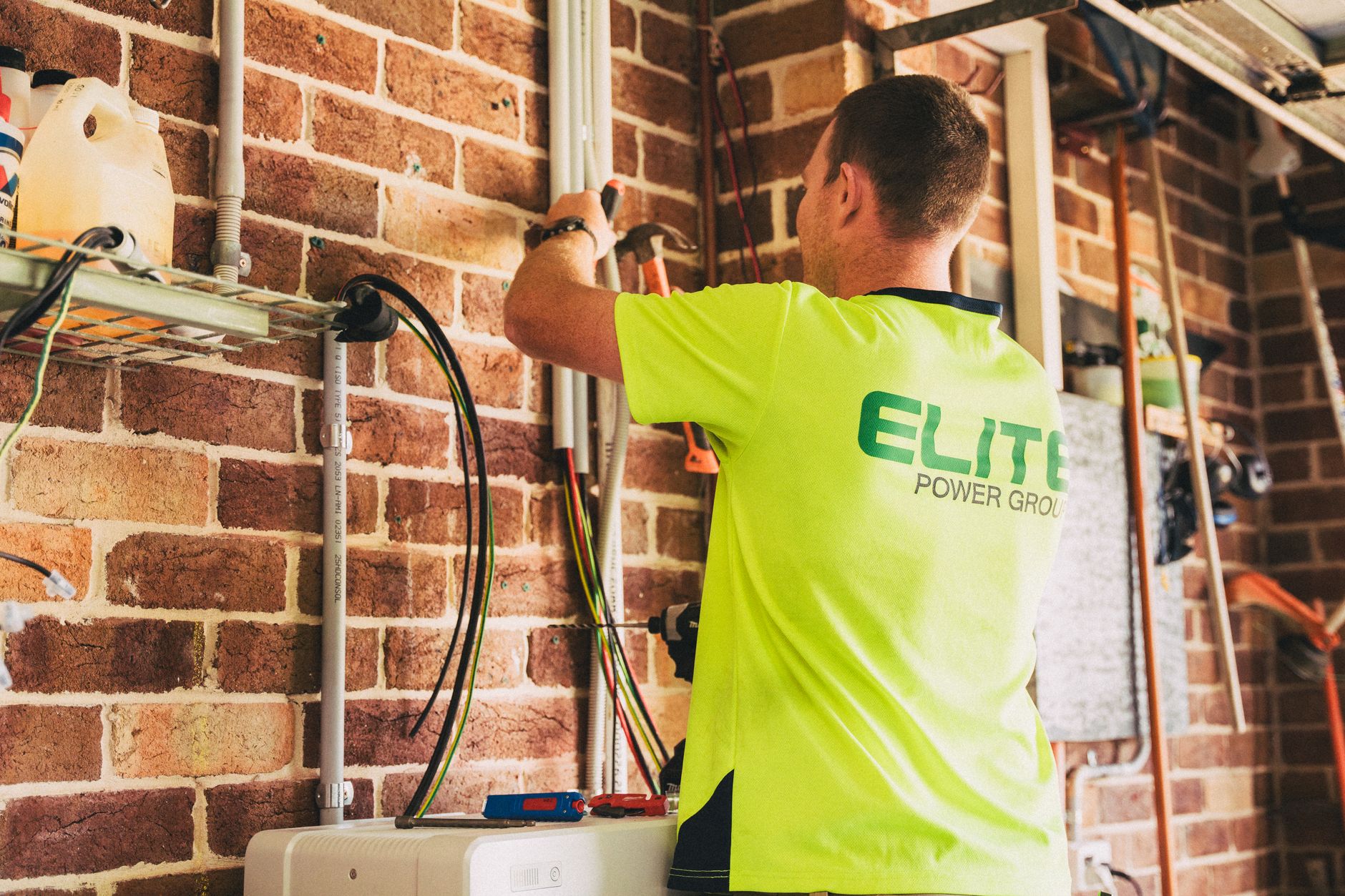
In Ontario, a home battery connected to your electrical panel is not a weekend project. The Electrical Safety Authority requires that most stationary battery installations be done by a Licensed Electrical Contractor, with a permit and inspection. This is not just paperwork. An ESA inspector verifies that the battery, inverter, disconnect, and wiring meet the Ontario Electrical Safety Code. For homeowners, the Electrical Safety Authority website explains permit requirements and how to search for a licensed contractor in your area. Skipping inspection can void insurance and leave you liable if a fire occurs.
A licensed electrician will check things that are easy to miss, including torque on battery terminals, correct breaker sizing, and separation between the battery and other equipment. Loose connections are a common cause of overheating and fire in both generator and battery systems. For larger whole-home projects, our whole-house battery backup guide walks through the load calculation and installation sequence. Do not be surprised if the electrician upgrades your main panel or adds a subpanel. That extra work protects the system and the home.
If you are using a smaller portable power station with a manual transfer switch, the rules still apply to the transfer switch wiring. Any connection that can feed a circuit in your home must be listed and installed correctly. Never use a double-ended cord to backfeed a dryer outlet. It is illegal, dangerous, and a leading cause of generator and battery injuries in Ontario. The ESA permit process exists to prevent these exact mistakes.
Before the electrician leaves, ask for a copy of the inspection certificate and the final wiring diagram. Also request a quick walkthrough of the emergency shutdown procedure. Knowing how to isolate the battery from the panel and shut down the inverter is a skill every household member should have, not just the primary user.
- Mount the battery in a fire-safe location
Location matters more than most people think. Home batteries should be installed outside or in a space that is non-combustible, temperature controlled, and away from bedrooms and escape routes. Good options include an exterior wall, a concrete-floored garage with ventilation, or a dedicated utility room with drywall and proper clearance. Avoid closets, under stairs, or any room below a bedroom. If a fire starts, you want the smoke and heat contained, not blocking your exit. Ontario building and fire codes often set minimum clearances around energy storage equipment, typically 3 feet from windows and doors.
Temperature extremes shorten battery life and increase fire risk. Most home batteries are happiest between 5°C and 35°C, with a few rated down to -10°C for outdoor units with built-in heaters. In an unheated Ontario garage, winter charging below 0°C can cause lithium plating inside cells, which is a hidden fire risk. If your garage regularly drops below freezing, choose a heated battery or build an insulated enclosure. Portable power stations with low-temperature charging protection are worth checking, but a stationary system needs the same consideration.
Keep the area around the battery clear. Do not store paint, gasoline, propane, or cardboard boxes within at least 3 feet. The battery itself should sit on a non-combustible pad or wall bracket. If the unit is floor mounted, never place it on carpet or wood without a listed stand. Use the manufacturer’s clearance diagram as a minimum, not a suggestion. This step sets the physical foundation for the next safety layer: detection.
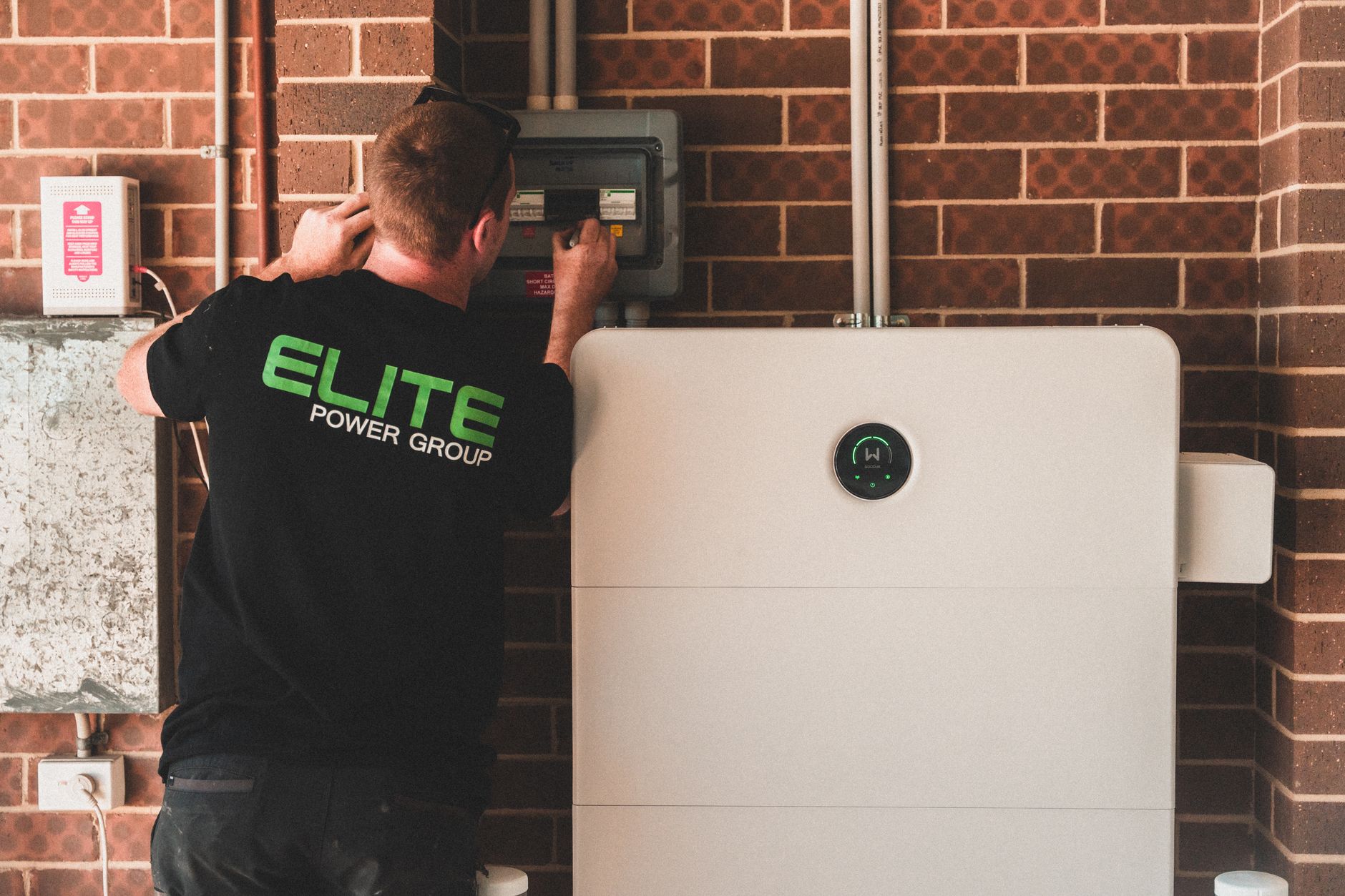
- Add smoke, heat, and fire suppression protection
Your standard smoke alarm is a good start, but battery fires can produce less visible smoke at first and more heat than anticipated. Install a photoelectric smoke alarm and a rate-of-rise heat detector in the room with the battery. The heat detector should trigger at a fixed temperature, usually around 57°C, which is well below the point of no return for lithium cells. If you have a larger system, consider linking these detectors to a monitored alarm that can call the fire department even when you are asleep. A product like the First Alert heat alarm adds a second layer beyond smoke.
Fire suppression for lithium batteries is different from a standard home fire extinguisher. Water can cool a battery fire, but it can also react with some lithium chemistries and spread burning material. Class D extinguishers are designed for combustible metals and can help with small early-stage lithium fires, but they do not cool the cells. Many safety guides recommend a large volume of water or a specialized battery fire blanket for total containment. For a home setting, the priority is early detection and evacuation, not fighting the fire yourself. Install a clearly labeled fire extinguisher rated for electrical and metal fires, and know its limits.
The Ontario Fire Code may require additional protection for batteries over a certain capacity, often around 20 kWh or more. Check with your local fire department during the planning stage, not after installation. Some municipalities want a bollard or bollard-like protection for garage-mounted batteries to prevent vehicle impact. It sounds like overkill, but a slow car bump into a battery pack can crush cells and start a thermal runaway event. Our emergency power statistics 2026 article includes incident data that shows physical damage is a leading cause of battery fires.
Finally, test the detectors monthly and replace batteries in standalone alarms once a year. This is the kind of maintenance that takes five minutes but catches a sensor that failed silently. The next step moves from detection to prevention through charging habits.
- Manage charging, firmware, and ventilation like a pro
Most home battery fires happen during or shortly after charging. That is when cells are stressed, and a firmware bug or sensor failure can push voltage too high. Always use the charger and communication cables supplied by the manufacturer. Never swap in a generic charger just because the plug fits. The battery management system, or BMS, relies on data from temperature and voltage sensors to stop charging before damage. If you bypass the BMS, you remove the primary safeguard. If your system charges from solar, make sure the charge controller settings match the battery manufacturer’s specs exactly. Our best solar generators 2026 guide explains why controller compatibility matters.
Keep firmware updated. Manufacturers regularly push updates that refine thermal management and fault detection. Some updates add new protection based on field data from thousands of units. Set a calendar reminder to check the app monthly. Do not ignore update prompts for months, especially if they mention “thermal management” or “safety.” A battery sitting for winter in an unheated shed with old firmware is a risk you do not need.
Ventilation is another overlooked factor. Even “sealed” batteries produce some heat during charge and discharge. If the room is tight and airless, that heat builds up. Install a louvered door or vent if the utility room does not have adequate airflow. For outdoor cabinets, keep snow, leaves, and debris away from intake and exhaust openings. A blocked vent can raise internal temperatures by 10-15°C within hours, shortening cell life and pushing closer to thermal runaway thresholds.
Avoid cycling the battery from 0% to 100% every single day if you can help it. Most home systems have a reserve setting that keeps a buffer, which reduces stress. Set the system to keep at least 10-20% reserve unless you are in a prolonged outage and need every watt-hour. This practice also leaves power available for the BMS to run cooling and monitoring between cycles.
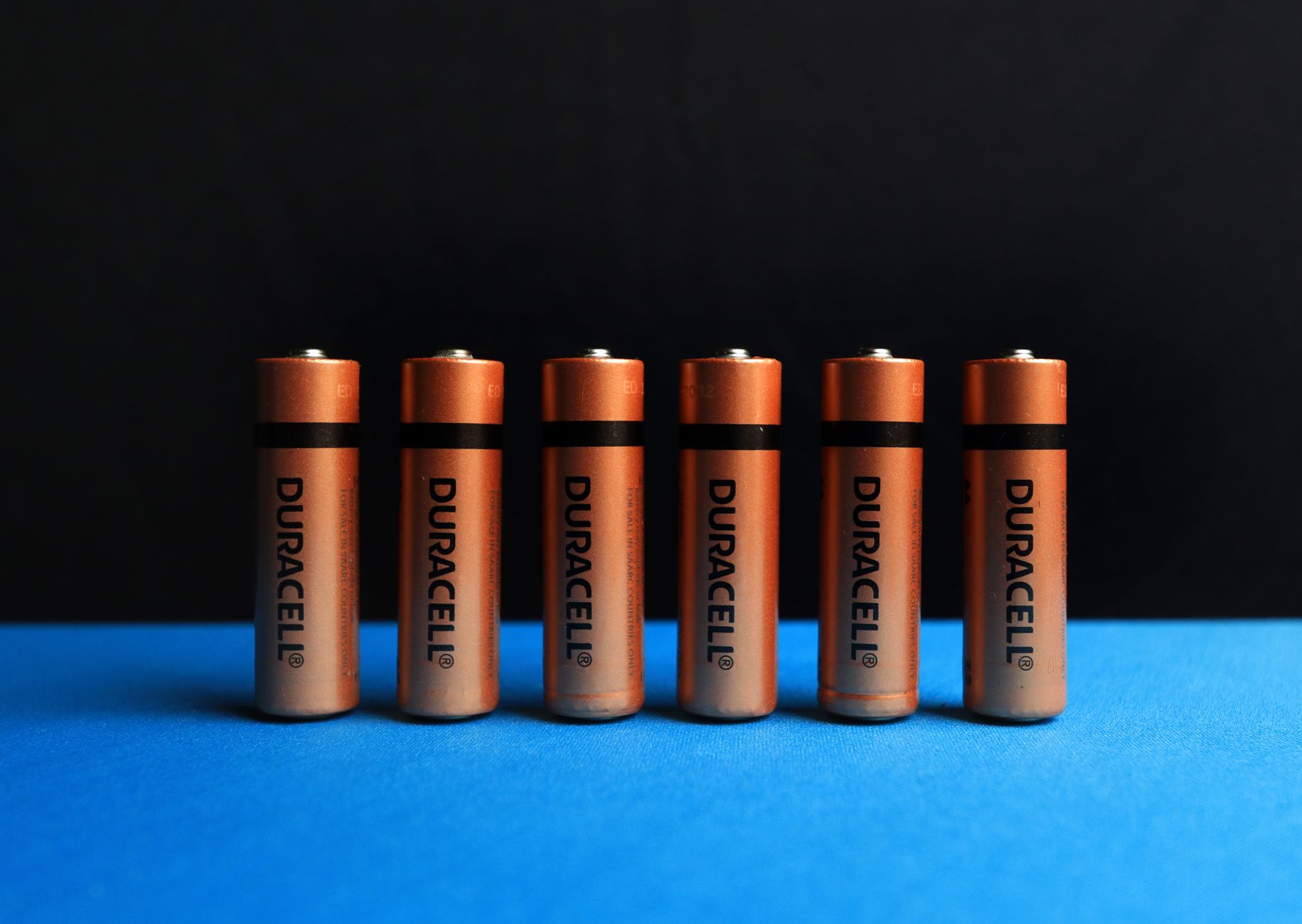
- Inspect for swelling, heat, and error codes every month
Lithium battery failures usually leave clues before a fire. Once a month, visually inspect the battery for bulging, cracks, discoloration, or leaking. Swelling is a serious sign that cells are venting gas and building pressure. Do not touch a swollen battery with bare hands or try to “pop” it back into shape. Shut the system down using the external disconnect, leave the area, and call your installer. If you own a thermal camera, scan the battery and connections while it is charging. A hot spot above 60°C on a terminal or cable is a red flag. The FLIR One thermal camera is a useful tool for this kind of check, but even a non-contact infrared thermometer can spot a loose connection running hot.
Listen for unusual sounds. A faint hum from the inverter is normal, but hissing, popping, or a crackling sound from the battery itself is an emergency. That can indicate a cell venting flammable electrolyte. Evacuate and call 911. Do not attempt to move the battery. If the unit has an app, check for error codes weekly. Codes related to overvoltage, undervoltage, high temperature, or cell imbalance should be addressed immediately. Ignoring a BMS fault because the system “still works” is how small issues become fires.
Keep a log of the battery’s temperature readings and charge cycles if the app provides them. A gradual upward trend in operating temperature over months can mean failing cooling or increased internal resistance. Share that log with your installer or manufacturer support. The data can help them authorize a warranty replacement before a fire. Early intervention stops most battery-related failures before they become newsworthy.
This monthly inspection is not just for stationary batteries. If you use a portable power station regularly, check the case for cracks and the ports for melted plastic. Never charge a damaged portable battery indoors. Store it at 40-60% charge in a cool dry place if you are not using it for months.
- Write and practice a battery fire response plan
Even with every prevention step, you need a plan for the rare case. The first rule is simple: evacuate. Get everyone out, close the door behind you if it is safe, and call 911 from outside. Do not re-enter for pets, wallets, or phones. Tell the dispatcher that a lithium home battery is involved so firefighters bring the right equipment and avoid unnecessary ventilation. Fire doubles in size roughly every 30 seconds in a typical room, and toxic gases from lithium fires can be lethal in minutes.
A Class D extinguisher is not a substitute for evacuation. It can suppress a small metal fire long enough to escape, but it does not cool the cells, and the fire can reignite. If you do have one, keep it near the exit, not next to the battery. The last thing you want is to reach past flames to grab an extinguisher. A product like the Amerex Class D fire extinguisher is a legitimate choice for residential lithium risks, but your first move should always be to get out and call professionals.
Practice the plan twice a year, just like a fire drill. Know how to shut off the battery from outside the room if a remote disconnect exists. Some systems have a big red emergency stop button or an external disconnect switch located away from the battery. Show every capable household member where it is. If you have a generator as a secondary backup, the generator safety tips article has complementary advice on emergency shutdowns, but do not confuse the two systems.
After any fire or thermal incident, do not reuse the battery. Have your insurance company and the installer document the damage. The manufacturer may want the unit returned for failure analysis, which can help improve safety for others. Your home insurance may cover the replacement, but only if the installation was inspected and permitted. That is one more reason not to skip Step 2.
- Schedule annual professional maintenance and keep records
Home batteries are not “set and forget” appliances. An annual inspection by a licensed electrician or manufacturer-certified technician catches loose connections, corrosion, firmware issues, and cooling problems before they become fire hazards. The technician should inspect all terminations, re-torque connections where specified, test the disconnect, and verify the system is still within temperature limits. Many manufacturers require this inspection to maintain the warranty. If you have a larger off-grid setup, the same maintenance discipline applies to solar, batteries, and inverters together.
Keep a binder or digital folder with the original permit, inspection certificate, warranty documents, and a log of monthly checks. If you ever sell the house, this file protects you and the new owner. It also speeds up insurance claims or warranty replacements. A well-documented battery system is a selling point in an Ontario market that increasingly values resilience, not a liability.
During the annual visit, ask the technician to update firmware if you have not been able to. Also ask them to test the heat detectors and fire alarm communication, if present. The goal is a complete system check, not just a visual once-over. Battery capacity typically fades 2-3% per year in normal use, so a small drop is expected. A sudden drop of 10% or more could indicate cell damage and deserves a deeper look.
Maintenance does not end with the battery. The inverter, wiring, and transfer switch are all part of the fire safety chain. A hot terminal on a transfer switch can ignite nearby insulation just as easily as a battery cell. The annual inspection is your best defense against the slow, invisible problems that cause most electrical fires. Pair it with the daily habits in this guide and you have a system that will protect your home, not threaten it.
Red Flags & Warnings
- 🚨 Never install a home battery in a bedroom, closet, under stairs, or any space that blocks an exit route.
- 🚨 Never build or use a DIY powerwall made from loose 18650 cells or uncertified battery modules. The fire risk is extreme.
- 🚨 Do not use water or a standard ABC fire extinguisher on a lithium battery fire unless you are trained and the extinguisher is specifically rated for lithium batteries.
- 🚨 Never ignore swelling, hissing, popping, or a strong solvent smell coming from a battery. Evacuate immediately and call 911.
- 🚨 Do not charge a home battery if the ambient temperature is below 0°C unless the manufacturer explicitly states low-temperature charging is allowed.
- 🚨 Never place a battery directly on carpet, wood, or any combustible surface without a manufacturer-approved non-combustible stand.
Frequently Asked Questions
Are home battery fires common?
No, certified home battery systems are statistically very safe. Most fires involve uncertified DIY packs, damaged cells, or improper installation. Following Ontario code and using tested equipment reduces the risk to a very low level.
Does a home battery need a permit in Ontario?
Yes, most stationary home battery installations connected to an electrical panel require an Electrical Safety Authority permit and inspection. A licensed electrician must perform the work. Skipping the permit can void insurance and create serious fire hazards.
Can I install a battery in my garage?
Yes, a garage can work if it has a concrete floor, adequate ventilation, and temperatures that stay within the battery’s rating. The battery should be mounted away from vehicles, gasoline, and exit paths. Outdoor or dedicated utility rooms are often safer.
What type of fire extinguisher works on lithium battery fires?
A Class D fire extinguisher can help with small early-stage lithium metal fires, but it does not cool the cells, and the fire can reignite. The best response is to evacuate and call 911. Do not use water or a standard ABC extinguisher unless it is specifically rated for lithium battery fires and you have been trained.
How often should I have my home battery inspected?
At least once a year by a licensed electrician or manufacturer-certified technician. Also do a quick monthly visual check yourself for swelling, leaks, hot terminals, and error codes. Many warranties require annual professional maintenance.
Can I use a portable power station as a permanent home battery?
A portable power station can provide temporary backup, but it is not a substitute for a properly installed stationary battery system. Permanent wiring and grid connection must be done by a licensed electrician with a permit. Never backfeed a home circuit with a portable station.
What Should You Remember?
- Certified system: Choose UL 9540 or CSA C22.2 No. 340 listed batteries with LFP chemistry.
- Licensed install: Always use a Licensed Electrical Contractor and ESA permit in Ontario.
- Location: Keep batteries away from bedrooms, exits, and combustibles, with 5-35°C temps.
- Detection: Install photoelectric smoke and heat detectors rated for 57°C and test monthly.
- Inspect monthly: Look for swelling, leaks, hot terminals, and error codes.
- Have a plan: Evacuate first, call 911, and never fight a lithium fire without backup.
- Annual maintenance: Schedule professional inspection and keep all records.
This article is for general information only. Always follow manufacturer instructions, local electrical codes, and hire a licensed electrician for transfer switches and standby generator installation. Carbon monoxide is deadly , never run a generator indoors.