Building your own power station sounds like a money-saving project until you price out the fuses, the breaker, the inverter and the electrician. Then it still saves money, just less than the YouTube videos suggest. The real question is where to draw the line between buying and building. This guide compares six realistic routes an Ontario homeowner can take, from a sealed expandable unit you can carry in two hands to a 20 kWh rack that runs a furnace blower through a three-day ice storm. For context on how often the grid actually drops here, see our outage statistics for Ontario.
We judged the reasoning, not the hardware on a bench. Every option below was scored on four things: continuous output in watts, usable capacity in kilowatt hours, realistic runtime under a genuine household load, and what it takes to connect the thing to your home legally. Peak wattage claims get ignored. A 12,000W surge number means nothing if the inverter overheats after ninety seconds. In the same way, a 72 dBA generator is not a backup plan on a fifty-foot suburban lot. If your goal is simply a box that works with zero wiring, start with the best portable power station comparison and skip the conduit entirely.
Ontario adds a layer that most American guides ignore. Any permanent connection between a backup source and your home’s wiring is electrical work, full stop. The Electrical Safety Authority requires a permit and inspection for a battery inverter tied into a panel, and an interlock kit or transfer switch has to be installed so the main breaker cannot be closed while the backup feed is live. Skip that step and you can energize a transformer on your street. Utility crews have been killed by exactly that mistake. A plug-in unit running extension cords sidesteps the whole issue because nothing touches the panel. That is the biggest legal fork in this entire guide.
Prices are deliberately left out. They move too fast month to month, and a stale number is worse than no number. What you get instead is wattage, capacity, runtime, noise and fuel burn, because those figures decide whether a system actually covers your furnace, your well pump and your fridge at the same time. Read the table first, then jump to the build that matches your comfort level with a torque wrench.
How Do the Top Options Compare?
| Approach | Best For | Continuous Output | Usable Capacity | Runtime Example | Skill Level | Price |
|---|---|---|---|---|---|---|
| EcoFlow DELTA Pro Ultra | Whole-home backup with no DC wiring | 7,200W at 240V | 6.14 kWh, expandable to 90 kWh | About 6.5 hours at a 900W load | Beginner | Check price |
| DIY 48V LiFePO4 rack plus hybrid inverter | Maximum capacity per dollar | 12,000W at 240V | 20.5 kWh with four 100Ah batteries | About 18 hours at a 1,000W load | Advanced | Check price |
| Bluetti AC300 plus B300 batteries | Renters and modular setups | 3,000W (6,000W surge) | 3.07 kWh per battery, up to 12.3 kWh | About 20 hours at a 500W load | Beginner | Check price |
| Renogy 400W solar kit build | Cabins, sheds and first builds | 2,000W inverter | 2.56 kWh | About 5.7 hours at a 400W load | Intermediate | Check price |
| DIY critical-load UPS build | Home office and medical devices | 1,000W inverter | 2.56 kWh | About 14 hours at a 150W load | Intermediate | Check price |
| Generator plus power station hybrid | Outages measured in days | 7,500W generator, 1,800W inverter unit | Fuel-fed, effectively unlimited | About 10 hours per tank at 50 percent load | Beginner to intermediate | Check price |
Wattage and capacity figures are manufacturer ratings. Runtime estimates assume roughly 90 percent inverter efficiency and a steady load, so real numbers shift with temperature and how often a compressor cycles. Prices change constantly, so verify current pricing at the retailer. Nothing in this table replaces a licensed electrician’s assessment of your panel and service size.
1. EcoFlow DELTA Pro Ultra , Best plug-and-play station for homeowners who refuse to touch DC wiring
EcoFlow built the DELTA Pro Ultra for people who want whole-home numbers without picking up a conduit bender. One unit pairs a 6.14 kWh LFP battery with a 7,200W continuous inverter running 120V and 240V split phase. That means a well pump, a sump pump or a dryer circuit behaves the same way it does on grid power. Stack fifteen batteries and capacity reaches 90 kWh, which is more than a typical Ontario home burns in a full day. EcoFlow publishes complete spec sheets for every configuration, which is more than most builders bother to do.
Runtime is where marketing gets quiet. With a 900W baseline load, meaning a cycling fridge, a furnace blower, a modem, a router and a few LED circuits, 6.14 kWh lasts roughly 6.5 hours. Add a second battery and that doubles. The inverter idles near 30 dBA, quieter than the fridge it is feeding, so it can live in a hallway instead of a shed. Grid-to-battery transfer takes under 20 milliseconds, which means your furnace control board never notices the switch.
The downside is cost per kilowatt hour. Prebuilt storage costs several times what a bare 48V rack does for the same capacity. You also still need a path into your panel, either a smart home panel or a generator inlet with an interlock, and that part is not a weekend project. If you want a unit that arrives ready to run, Check price and read the expansion specs twice before ordering.
Key strengths:
- ✅ No DC wiring at all: no torque specs, no lug crimping and no arc flash exposure.
- ✅ 7,200W continuous at 240V runs well pumps, sump pumps and dryers.
- ✅ Capacity scales from 6.14 kWh to 90 kWh using matching batteries.
- ✅ Idles near 30 dBA, quiet enough for a hallway or a bedroom closet.
- ✅ Transfer time under 20 milliseconds keeps electronics and furnace boards alive.
- ❌ Highest cost per kilowatt hour in this entire comparison.
- ❌ Whole-home wiring still needs a licensed electrician and an ESA permit.
- ❌ Firmware and app dependency for scheduling and advanced settings.
Who it’s for: Homeowners who want serious backup capacity with zero DC assembly and are willing to pay the premium for it.
2. DIY 48V LiFePO4 Rack with a Hybrid Inverter , Best true DIY build for maximum capacity per dollar
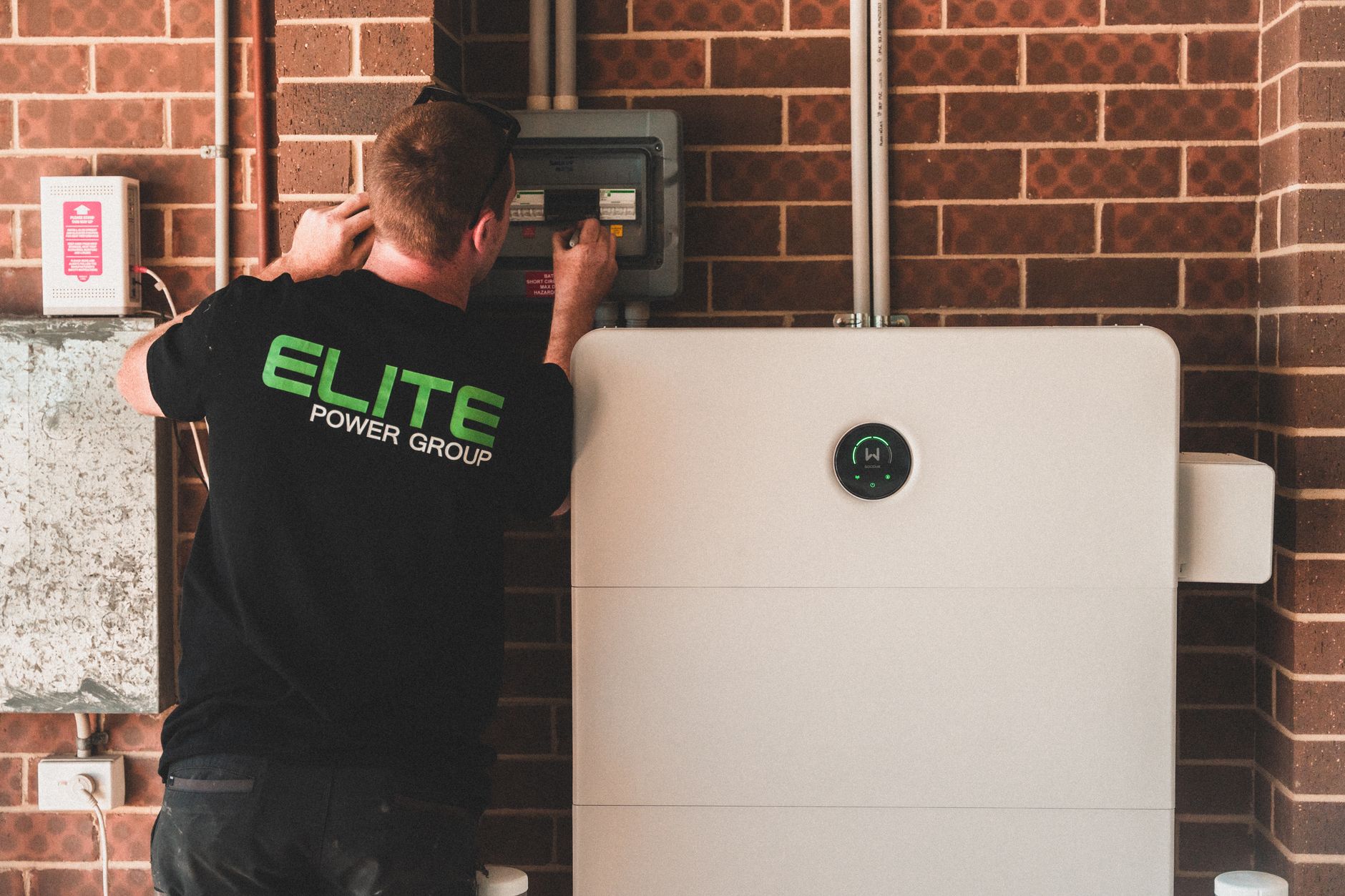
This is the build that makes the whole DIY power station conversation worth having. A hybrid inverter such as the EG4 18kPV delivers 12,000W continuous at 120V and 240V split phase and accepts up to 18,000W of solar input. Each 48V 100Ah server rack battery holds 5.12 kWh. Four batteries give you 20.5 kWh, which at a 1,000W baseline load runs close to 18 hours with the fridge, the furnace blower, the lights and the internet all live.
Certification is not optional here. The CSA Group writes and tests the standards that certified inverters and batteries carry, and unbranded cells with no mark are how garage fires start. Then think about fusing. A 48V bank can push hundreds of amps into a short circuit, so a Class T fuse on the positive terminal is the difference between a nuisance trip and a melted cable. Torque every lug to the manufacturer’s number with a calibrated wrench, then recheck it after the first week of cycling.
The paperwork is the real gate. In Ontario, a battery inverter tied into your panel needs a permit and an inspection, plus an interlock or transfer switch that mechanically prevents the main breaker from being closed while the backup feed is live. Some utilities want a separate application for the solar side. Budget for an electrician and expect a scheduling wait measured in weeks, not days. Our whole-house battery backup guide shows how these systems sit next to a main panel. Check price for a rack battery before you commit to a bank size.
Key strengths:
- ✅ Lowest cost per usable kilowatt hour of any option in this guide.
- ✅ 12,000W continuous output covers an average Ontario home with room to spare.
- ✅ Repairable and upgradeable one component at a time instead of replacing a sealed box.
- ✅ Accepts up to 18,000W of solar, which means near-zero recharge cost in summer.
- ❌ 48V DC at high current is genuinely dangerous for a first-time builder.
- ❌ Permits, inspection and an electrician erase a large share of the savings.
- ❌ No warranty hand-holding and no support line when a setting misbehaves.
Who it’s for: Experienced DIYers with a licensed electrician on call who need the most capacity for the least money.
3. Bluetti AC300 plus B300 Batteries , Best modular stackable station for renters
The AC300 is the modular middle path. Each B300 battery holds 3,072Wh, and the AC300 inverter delivers 3,000W continuous with 6,000W surge. Chain four batteries and you reach 12,288Wh. Pair two AC300s with a Fusion Box and you get 240V output for a well pump. Nothing gets wired into a wall, so a renter can haul the entire stack to the next apartment without losing a dollar of value.
Runtime lines up honestly with the capacity. At a 500W load, meaning a fridge, a modem, a laptop and a couple of lamps, 12,288Wh runs about 20 hours after inverter losses. Solar input tops out at 2,400W, so a 2,000W array refills a spent stack over one long July day. The fans are audible under heavy load and the units want airflow, which makes a closed closet a poor home for them. Leave six inches of clearance on every side.
Where this build falls down is where every prebuilt unit does. You cannot run a furnace, a well pump and a dryer at once on 3,000W. The 240V path needs two inverters plus the Fusion Box, and that pushes the total past a small 48V rack on pure cost. Check price and decide honestly whether modular convenience is worth the premium.
Key strengths:
- ✅ Modular design lets you buy one battery now and add capacity later.
- ✅ 3,000W continuous and 6,000W surge from a portable footprint.
- ✅ No panel connection required, which makes it viable for renters.
- ✅ 2,400W solar input recharges a full stack in a single good day.
- ❌ Cost per kWh climbs fast once you add a second inverter and the Fusion Box.
- ❌ Fans are noticeable under load and the units need real ventilation clearance.
- ❌ 3,000W per inverter will not carry a furnace and a well pump together.
Who it’s for: Renters and homeowners who want modular capacity without any panel work whatsoever.
4. Renogy 400W Solar Kit Build , Best beginner solar build for learning on safe voltages
A 400W panel kit, a 40A MPPT charge controller, a 12V or 24V 200Ah LiFePO4 battery and a 2,000W pure sine inverter gets you a working solar generator for cabin money. The battery holds 2.56 kWh at 12V. Run a 400W load and you get about 5.7 hours, enough for a fridge, a router and lights overnight with capacity to spare in the morning.
Solar yield is where Ontario disappoints. A 400W array in southern Ontario produces roughly 1.6 to 2.2 kWh on a clear July day and as little as 0.3 to 0.5 kWh in December. Panel angle, snow cover and shade matter more than the label wattage. The best solar generators roundup shows what prebuilt units produce on the same array size, and the gap is smaller than most people assume.
The wiring here is low voltage and far more forgiving than a 48V rack, which makes this the best first build on the list. Keep the inverter within three feet of the battery, size the cables for the inverter’s surge rather than its rating, and fuse the positive lead. Do not parallel mismatched panels. Do not charge a frozen LiFePO4 battery either. Most battery management systems block charging below 0C for good reason, and an Ontario garage hits that mark every winter.
Key strengths:
- ✅ Cheapest entry point into a real solar-plus-battery system.
- ✅ Low-voltage DC wiring is far safer to learn on than a 48V bank.
- ✅ Every component is replaceable and upgradeable on its own.
- ✅ Works as a cabin or shed system with no permit required at all.
- ❌ 2.56 kWh is small, roughly five hours at a 400W load.
- ❌ Winter solar output in Ontario is a fraction of summer output.
- ❌ LiFePO4 charging shuts off below freezing unless the battery has a heater.
Who it’s for: First-time builders and cabin owners who want to learn on safe voltages before spending real money.
5. DIY Critical-Load UPS Build , Best budget build for a home office or a single medical device
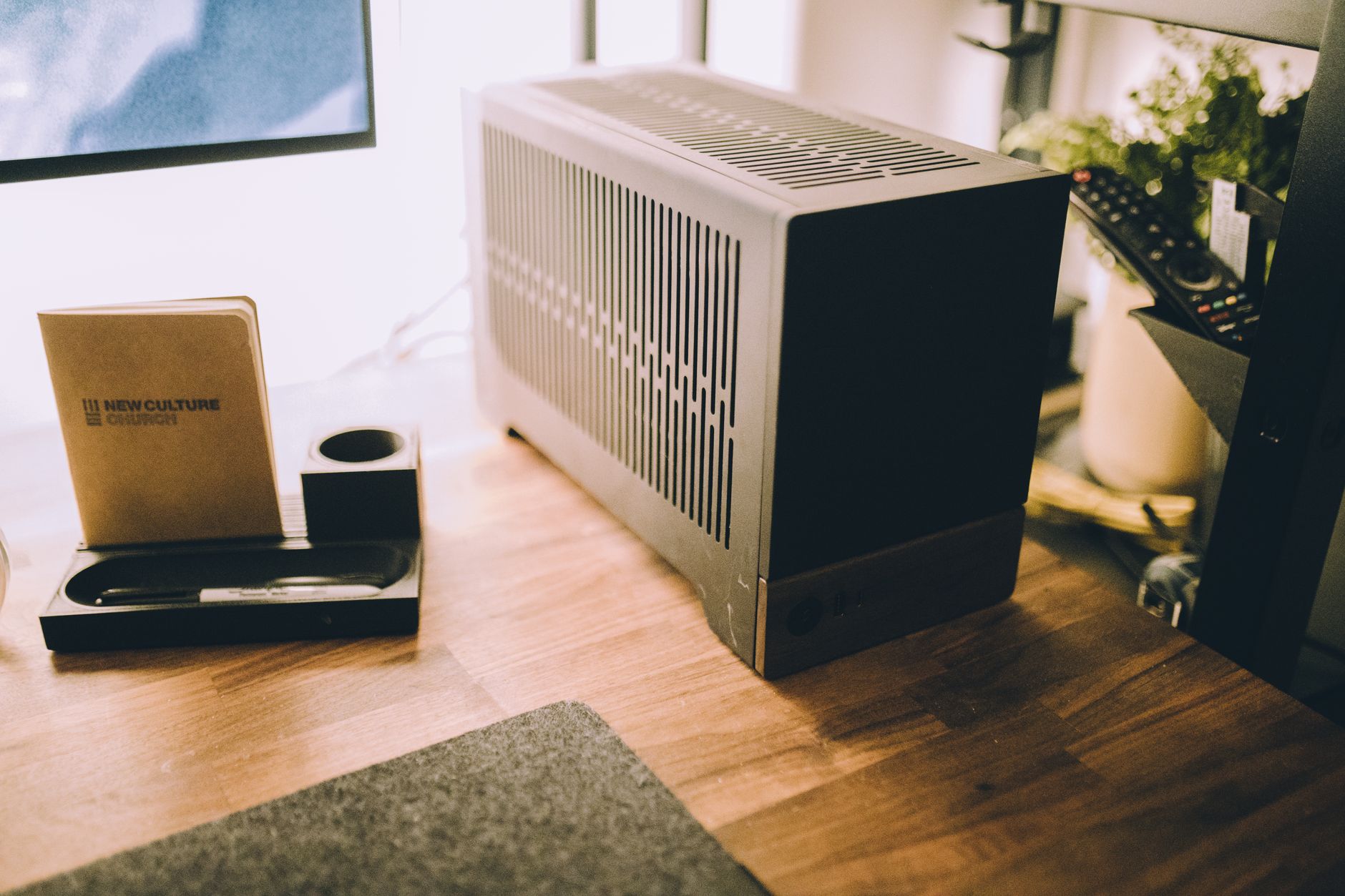
Not every backup has to run a house. A 1,000W pure sine inverter, a 12V 200Ah LiFePO4 battery, an automatic transfer switch and a fused enclosure cover the loads that genuinely matter during a blackout. That is a 2.56 kWh battery feeding a 150W load for about 14 hours, which handles a CPAP machine, a modem, a laptop and a phone charger straight through the night.
Transfer time matters more than raw capacity here. A cheap relay-based switch takes 30 to 50 milliseconds, which reboots a desktop and may drop a sensitive medical device. A proper unit switches in 10 to 20 milliseconds. Match the inverter to the real draw, not the label. A laser printer that pulls 900W for four seconds will trip a 1,000W inverter that is already carrying other loads, and that is a wiring problem you cannot fix with a bigger battery.
This is the build where a store-bought UPS and a DIY box overlap. If your needs are a modem and a laptop, buy a best UPS for home office unit and skip the build entirely. If you need eight to fourteen hours of runtime, the DIY version wins on capacity per dollar and leaves you with a battery you can expand next year.
Key strengths:
- ✅ Runs critical loads for about 14 hours on a 2.56 kWh battery.
- ✅ A fused enclosure makes it far safer than a bare inverter and a car battery.
- ✅ Expandable by adding a second battery in parallel.
- ✅ Covers CPAP, modem, laptop and lighting without any panel connection.
- ❌ Transfer time must be verified because slow relays drop sensitive equipment.
- ❌ Will not power a fridge, furnace or well pump at this inverter size.
- ❌ LiFePO4 batteries in a cold garage may refuse to charge in winter.
Who it’s for: Anyone backing up a home office or one medical device rather than an entire house.
6. Generator plus Power Station Hybrid , Best setup when outages run for days instead of hours
The most practical DIY setup in a long Ontario outage is not all-electric. A portable generator rated 7,500W running and 9,400W surge on a 6.6-gallon tank holds a 50 percent load for roughly 10 hours. Feed that generator into a portable power station’s AC input and you get two benefits at once. The station carries the loads so the generator can shut down overnight, and the generator refills the battery during daylight hours when noise matters less.
Noise and carbon monoxide are the constraints that decide placement. A 7,500W open-frame unit runs around 72 dBA at 23 feet, which your neighbours will hear clearly. A Honda EU2200i is far quieter at 48 to 57 dBA, and it runs 3.2 hours at its 1,800W rated load or 8.1 hours at a quarter load on a 0.95-gallon tank. It will not start a well pump, but it will keep a power station topped up all day. Our generator safety tips cover setback distances and carbon monoxide alarm rules in detail.
Never run a generator in a garage, even with the door wide open. Carbon monoxide kills people in Ontario every winter this way, and the symptoms show up while you are asleep. Keep the unit at least 20 feet from the house with the exhaust pointed away from windows and vents, and put a battery-powered CO alarm inside the living space. If you want the generator wired into your panel, that is an interlock kit or transfer switch installed by a licensed electrician under an ESA permit.
Key strengths:
- ✅ Fuel delivers effectively unlimited runtime compared with any battery bank.
- ✅ Refills a power station so the station carries the quiet overnight hours.
- ✅ A 7,500W unit starts well pumps and runs a furnace blower without complaint.
- ✅ Lowest cost per watt of any option in this guide.
- ❌ Carbon monoxide risk makes placement and CO alarms non-negotiable.
- ❌ Noise is a genuine problem on small suburban lots.
- ❌ Requires fuel storage, oil changes and monthly exercise runs.
Who it’s for: Homeowners who expect outages measured in days rather than hours and want fuel-backed staying power.
Frequently Asked Questions
Can I build a DIY power station without hiring an electrician?
Yes, as long as nothing connects to your home’s wiring. A plug-in power station or a solar generator feeding extension cords needs no permit. The moment you tie into a panel or install a transfer switch, Ontario requires a permit and an inspection.
How many watts do I need to run a fridge and a furnace together?
A modern fridge draws 100 to 400 watts running with a startup surge near 1,200 watts. A gas furnace blower adds roughly 400 to 800 watts. A 3,000 watt inverter with solid surge headroom covers both at the same time.
Is it cheaper to build a power station or buy one?
Building a 48V rack costs less per kilowatt hour than any prebuilt unit, sometimes by half. Once you add fuses, cables, an enclosure, a permit, and an electrician’s time, the gap narrows to roughly 20 to 30 percent.
Do I need a permit for battery backup in Ontario?
Only if it connects to your home’s electrical system. A panel-tied inverter or a transfer switch requires a permit and inspection. Portable units running extension cords do not.
How long will a 5 kWh battery run a refrigerator?
A fridge cycling on and off averages 150 to 200 watts across a full day. A 5 kWh battery with 90 percent usable capacity runs it for roughly 22 to 30 hours depending on ambient temperature and how often the door opens.
Can I charge a portable power station with a gas generator?
Yes. Most portable power stations accept 1,000 to 1,800 watts of AC input, which a small inverter generator handles comfortably. Run the generator outdoors, at least 20 feet from doors, windows and vents.
What Should You Remember?
- Match the build to your comfort level: a plug-in station needs no wiring at all, while a 48V rack demands permits, fusing and correct torque specs.
- Budget for surge, not running watts: a fridge that runs at 200W can pull 1,200W for two seconds at startup.
- Never backfeed a panel: an interlock kit or transfer switch is the only legal way to connect a backup source to home wiring in Ontario.
- Look for the certification mark: equipment tested to CSA standards is the baseline, not an optional upgrade.
- Winter changes everything: LiFePO4 batteries stop charging below freezing and Ontario solar output falls by 70 percent or more in December.
- Generate when the outage runs long: batteries cover hours, fuel covers days.
This article is for general information only. Always follow manufacturer instructions, local electrical codes, and hire a licensed electrician for transfer switches and standby generator installation. Carbon monoxide is deadly , never run a generator indoors.