Ontario homes lost power more often than most people expect in 2025. Ice storms, summer thunderstorms, and aging local distribution lines all knock out the grid for hours or even days. A LiFePO4 power station is one of the few backup options that works indoors, runs silently, and does not need fuel. Unlike a gas generator, it produces no carbon monoxide and no exhaust. For many Ontario households, this is the quickest way to keep a fridge, a sump pump, and a phone running during an outage. Our top picks reflect what we would install for a neighbour in Toronto, Ottawa, or a rural township. Before you choose, compare these units against our full home backup power guide.
We compared five LiFePO4 power stations that follow the same rules we use for any Ontario backup system. First, the continuous output must cover the devices you actually run at the same time. Second, the surge rating must handle compressor or pump motor starts. Third, the build quality and certifications must meet Canadian safety expectations. The Electrical Safety Authority makes one thing clear: any station wired into a home circuit needs a transfer switch and a licensed electrician. For the battery cells themselves, look for a CSA Group certified unit. Those certifications reduce the risk of a battery failure turning into a house fire.
LiFePO4 chemistry is the main reason these stations beat older NMC lithium-ion units for backup duty. The cells last roughly four to five times longer, usually rated for 3,000 to 4,000 full cycles before they drop to 80 percent capacity. They are also more stable at high and low temperatures, which matters in an Ontario garage in January. A LiFePO4 station can run indoors, but you still need to follow basic rules: do not cover the cooling vents, keep it away from water, and do not overload the outlets. If you are replacing a gasoline generator, read our generator safety tips before you make the switch.
Sizing is simple once you list your critical loads. A fridge uses about 200W running and up to 1,200W for a second at compressor start. A sump pump uses 800W to 1,200W running and up to 3,000W surge. A furnace fan needs 600W to 800W. Add the running watts of everything you need at once, then buy a station that exceeds that number. Our generator sizing guide walks through the same math for whole-home loads.
How Do the Top Options Compare?
| Model | Best For | Battery Capacity | Running Output | Surge Output | Price (USD) |
|---|---|---|---|---|---|
| EcoFlow Delta Pro 3 | Best Overall | 4,096Wh | 3,600W | 7,200W | Approx $3,300 USD |
| Anker Solix F3800 | Best High-Output | 3,840Wh | 6,000W | 12,000W | Approx $3,999 USD |
| Jackery Explorer 2000 Plus | Best Mid-Size | 2,042Wh | 3,000W | 6,000W | Approx $2,199 USD |
| Bluetti AC200L | Best Value | 2,048Wh | 2,400W | 3,600W | Approx $1,599 USD |
| Goal Zero Yeti Pro 4000 | Best Solar Integration | 3,993Wh | 3,000W | 6,000W | Approx $3,995 USD |
Prices are approximate USD based on typical online listings and do not include taxes or optional transfer switches. CAD totals move with the exchange rate. Surge capacity is for short-duration motor starts, not continuous operation. Always verify the exact spec sheet before purchase.
1. EcoFlow Delta Pro 3 , Best Overall Home Backup Power
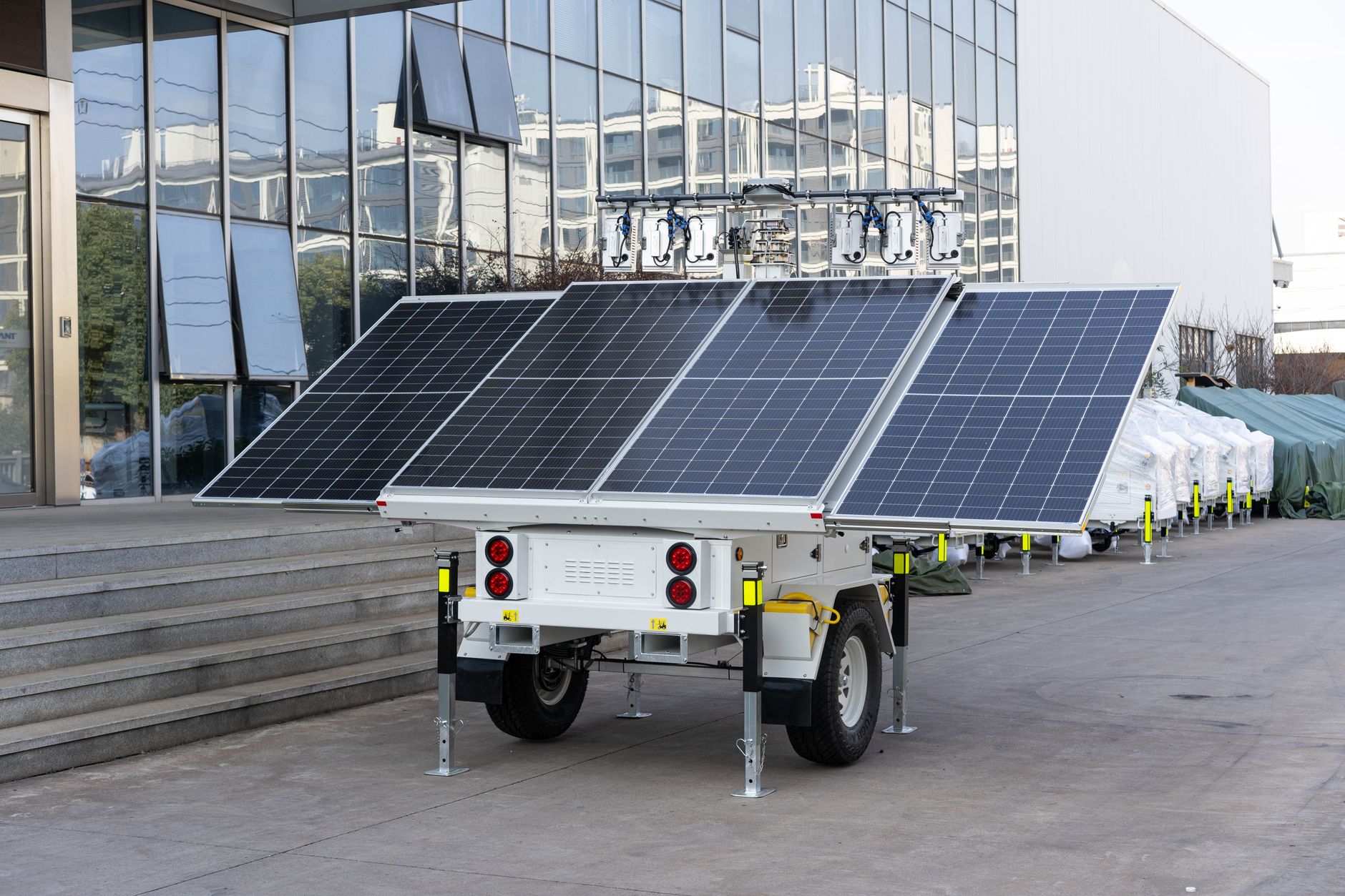
Most Ontario homes need 3,000W to 4,000W of continuous power to ride out a day-long outage without turning off the fridge or sump pump. The EcoFlow Delta Pro 3 sits right in that range with a 3,600W running output and a 7,200W surge rating. That surge number matters because a fridge compressor or a shallow well pump can pull triple its running watts for one or two seconds. A 4,096Wh LiFePO4 battery is inside, and the pack can expand to 12kWh with extra batteries. Expect a 200W fridge to run for about 18 hours on the base pack after inverter losses.
The Delta Pro 3 is not light, and it is not cheap. But it is one of the few portable stations that can be paired with a manual transfer switch to run a handful of home circuits legally. The Electrical Safety Authority requires that transfer-switch work to be done by a licensed electrician in Ontario. Do not try to backfeed a dryer outlet. For more portable options, see our best portable power station roundup. You can check the EcoFlow Delta Pro 3 on Amazon for current pricing and bundle options.
In a real outage, the only sound you will hear is the cooling fan, typically under 50 dBA. That is quieter than a normal conversation. There is no exhaust, so you can keep the unit in a heated mudroom or basement. One downside: the base unit weighs about 115 pounds, so it is not a one-hand carry. If you want to add solar, the Delta Pro 3 accepts up to 2,600W of solar input, which can stretch runtime during a week-long outage.
Key strengths:
- ✅ Runs a 3,600W continuous load, enough for a fridge, freezer, and microwave at once.
- ✅ 4,096Wh LiFePO4 battery lasts 3,000 cycles to 80 percent capacity.
- ✅ Expandable to 12kWh with extra battery packs for long outages.
- ✅ No carbon monoxide risk, so it can be used inside an Ontario home.
- ✅ Cooling fans stay under 50 dBA, far quieter than an inverter generator.
- ❌ Heavy at roughly 115 pounds, not a one-person carry up stairs.
- ❌ Base unit costs more than $3,000 USD before taxes or transfer switch.
- ❌ Requires a licensed electrician and transfer switch for home circuit backup.
Who it’s for: Ontario homeowners who want a powerful, expandable station for mid-length outages.
2. Anker Solix F3800 , Best High-Output Whole-Home Backup
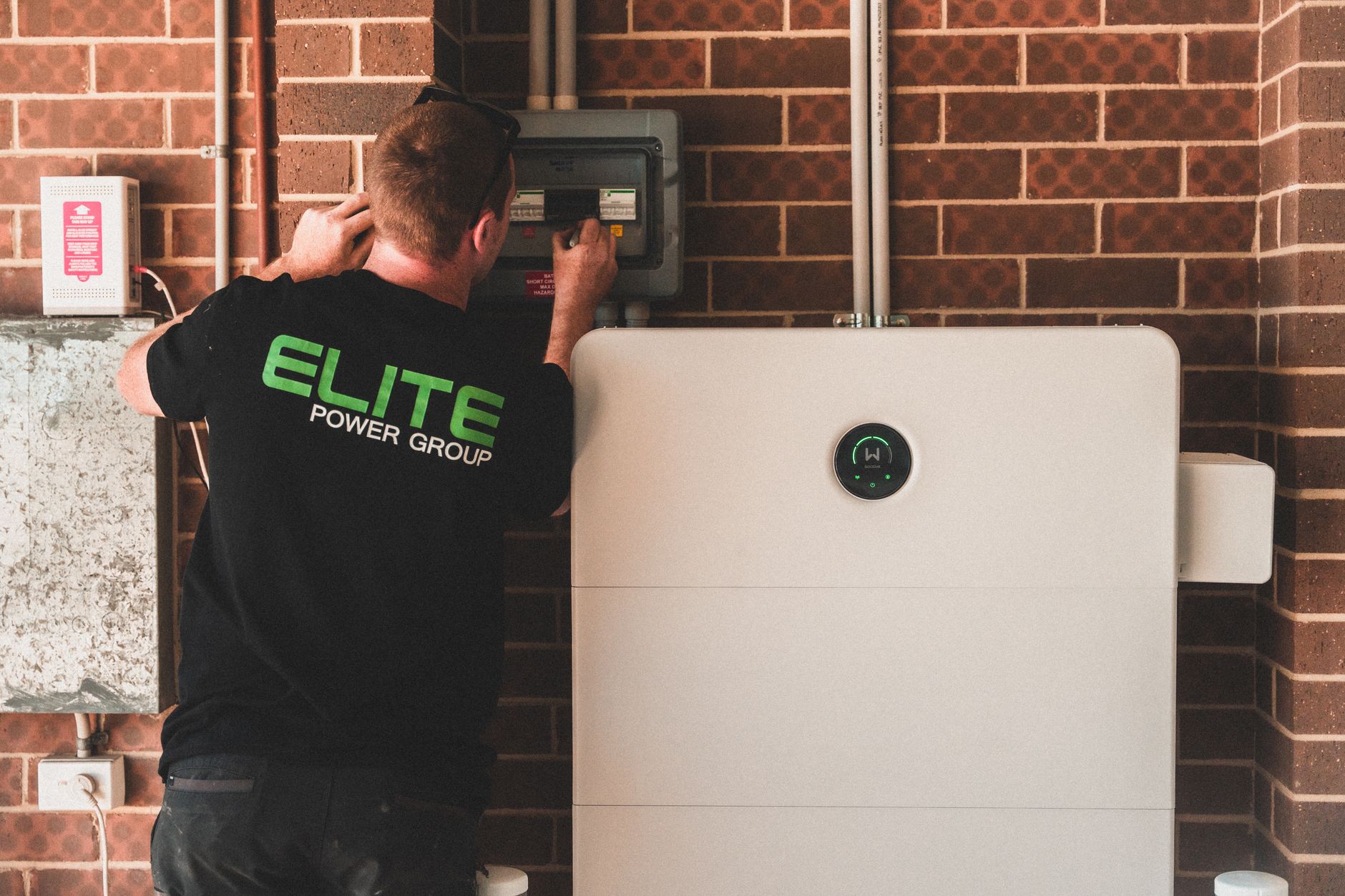
The Anker Solix F3800 is the closest a portable power station gets to a whole-home standby unit without a fixed installation. It delivers 6,000W of continuous output and 12,000W of surge, which means it can start a larger well pump or a central air conditioner within reason. The battery stores 3,840Wh in a LiFePO4 pack that can expand to 7,680Wh or more with the right add-ons. At full load, a 3,840Wh pack will empty in about 38 minutes. But a normal home backup load of 600W to 800W runs for five to six hours on a single charge.
Pair this unit with Anker’s home power panel and a licensed electrician, and it can feed 240V circuits through a proper transfer switch. That installation is not a weekend DIY job. Ontario code requires a permit and an inspection for any home circuit integration. For a broader look at whole-house battery options, see whole house battery backup. You can check the Anker Solix F3800 on Amazon for current bundles.
The tradeoff is weight and price. This unit weighs about 132 pounds, and you will not move it once it is in place. The fan noise is higher under full load, often around 55 dBA, though still far below a gas generator.
Key strengths:
- ✅ 6,000W running output starts most home well pumps and large appliances.
- ✅ 3,840Wh LiFePO4 battery with 12,000W surge for motor starts.
- ✅ Expandable with extra batteries and a 240V home power panel.
- ✅ Safer than a gas generator indoors, with no carbon monoxide.
- ✅ Under 55 dBA in normal backup use.
- ❌ Very heavy at about 132 pounds, difficult to move between floors.
- ❌ High price, often over $4,000 USD before optional panels.
- ❌ The 240V home panel requires a licensed electrician and permit.
Who it’s for: Homeowners who need near whole-home output and are willing to pay for proper installation.
3. Jackery Explorer 2000 Plus , Best Expandable Mid-Size Station
The Jackery Explorer 2000 Plus is a mid-size station that punches above its weight for most Ontario homes. It has a 2,042Wh LiFePO4 battery, a 3,000W continuous output, and a 6,000W surge rating. That is enough to run a 12A table saw or a microwave, although not both at once. For households that run a CPAP machine through the night, this unit will hold up for roughly 12 hours at a 150W load after inverter losses. You can also add extra battery packs to reach 12kWh of total storage.
The Jackery is easier to lift than the big home units. It weighs about 61.5 pounds, so two people can move it without a dolly. That makes it a good option if you want one station for home backup and occasional cabin trips. It charges from a wall outlet in about two hours with the right cable. If you rely on medical equipment, read our emergency power medical equipment guide to size the battery correctly. You can check the Jackery Explorer 2000 Plus on Amazon for current pricing.
The downside is runtime under larger loads. A 1,000W sump pump will drain the base battery in under two hours. That is fine for short outages, but a week-long ice storm will need solar input or a second battery.
Key strengths:
- ✅ 3,000W running and 6,000W surge in a manageable 61.5-pound package.
- ✅ 2,042Wh LiFePO4 battery runs a CPAP machine for about 12 hours.
- ✅ Expandable to 12kWh with extra battery packs.
- ✅ Quiet operation with no engine noise or exhaust.
- ✅ Faster wall charging than many competitors.
- ❌ Runs a large sump pump for under two hours on the base battery.
- ❌ No 240V output, so home circuit integration is limited to 120V essentials.
- ❌ Optional battery packs are expensive relative to the base unit.
Who it’s for: Households that want a portable mid-size station for short outages and occasional trips.
4. Bluetti AC200L , Best Value for Long Runtime
The Bluetti AC200L is often the best value for Ontario homeowners who want serious LiFePO4 capacity without the price of the top-tier units. It carries 2,048Wh of storage, a 2,400W continuous output, and a 3,600W surge rating. A 2,048Wh pack will run a 200W fridge for about 9 hours after inverter losses. That is not all night for a full-size fridge, but it is enough to keep food cold during a rolling outage if you pair it with a 200W solar panel.
Bluetti builds the AC200L with an expandable battery system up to 8,192Wh, so you can add storage later. The unit weighs about 62.4 pounds. The 2,400W output covers most Ontario essentials: a fridge, a furnace fan, a router, and a few LED lights. If you need to run a microwave, you can, but not at the same time as a fridge and sump pump. Compare this type of unit with solar charging in our solar generator roundup before you decide.
For the price, the AC200L is hard to beat. It does not have the 6,000W output of the Anker, and it is not as polished as the EcoFlow app. But it meets the same Canadian safety expectations when you buy a certified unit from a reputable dealer. The fan can get noticeable under sustained 2,000W loads, often around 45 dBA to 50 dBA.
Key strengths:
- ✅ 2,048Wh LiFePO4 battery at a lower price than many 3,000W competitors.
- ✅ 2,400W running output covers a fridge, furnace fan, and lights at once.
- ✅ Expandable to 8,192Wh with additional battery packs.
- ✅ Weighs about 62.4 pounds, manageable for two people.
- ✅ Accepts solar input up to 1,200W for quiet recharging.
- ❌ Runs a full-size fridge for only about 9 hours on the base battery.
- ❌ Cannot run a central air conditioner or large well pump.
- ❌ Fan noise rises under sustained high loads.
Who it’s for: Budget-conscious homeowners who need a solid 2,400W station for short outages and solar charging.
5. Goal Zero Yeti Pro 4000 , Best for Off-Grid and Solar Integration
Goal Zero has built portable solar equipment for years, and the Yeti Pro 4000 is the brand’s largest home backup LiFePO4 station. It stores 3,993Wh and delivers 3,000W continuous output with a 6,000W surge rating. At a 200W fridge load, the Yeti Pro 4000 lasts about 18 hours after conversion losses. You can also plug in a 1,200W sump pump and run it for roughly three hours, though the startup surge will briefly spike toward the 6,000W ceiling.
The Yeti Pro 4000 is built for solar charging. It accepts up to 3,000W of solar input across multiple MPPT inputs, which is enough to fully recharge from a modest roof or ground array during a sunny day. That makes it a strong option if you already have panels or plan to build an off-grid setup. Our home backup solar guide explains how to size that array for Ontario winters.
The tradeoff is weight and price. This unit weighs about 116 pounds and costs more than the EcoFlow Delta Pro 3 in most Canadian retail listings. It also does not offer 240V output without an additional inverter or transfer solution. But the brand has a long track record, and the LiFePO4 cells are rated for thousands of cycles.
Key strengths:
- ✅ 3,993Wh LiFePO4 battery runs a 200W fridge for about 18 hours.
- ✅ 3,000W continuous and 6,000W surge covers most home essentials.
- ✅ Up to 3,000W of solar input recharges the pack quickly on sunny days.
- ✅ Strong brand track record and long cycle life.
- ✅ Works well for off-grid and remote property use.
- ❌ Heavy at about 116 pounds and hard to move without help.
- ❌ High price, often above $4,000 CAD before solar panels.
- ❌ No 240V output, limiting whole-home backup without extra hardware.
Who it’s for: Owners who want maximum solar integration and already have panels or an off-grid property.
Frequently Asked Questions
What is a LiFePO4 power station?
It is a battery-powered generator that uses lithium iron phosphate cells instead of gasoline or standard lithium-ion NMC cells. LiFePO4 cells are safer, run cooler, and last longer, typically 3,000 to 4,000 full cycles before dropping to 80 percent capacity.
Can a LiFePO4 power station run a refrigerator?
Yes, but match the running and surge watts. A typical Ontario fridge uses 200W running and up to 1,200W at compressor start. A 2,048Wh station runs that fridge for about 9 hours after inverter losses.
How long does a LiFePO4 power station last?
The cells last about 10 to 15 years in normal backup use. Most LiFePO4 packs are rated for 3,000 to 4,000 full charge cycles before they drop to 80 percent capacity. Partial cycles extend calendar life.
Can I use a LiFePO4 power station indoors?
Yes, because there is no combustion and no carbon monoxide. But keep it away from water, do not block the cooling vents, and do not overload it. Ontario code still requires a transfer switch if you connect it to home wiring.
Do I need an electrician to connect a LiFePO4 power station to my Ontario home?
Yes. The Electrical Safety Authority requires a licensed electrician, a permit, and a proper transfer switch for any connection to a home circuit. Never use a backfeed cable or dryer outlet setup.
How much solar do I need for a LiFePO4 power station?
It depends on the station’s maximum input and your outage length. A 2,048Wh station can recharge from a 200W panel in about two sunny days. A 4,096Wh unit with 1,000W of panels can recharge in about five hours.
What Should You Remember?
- Lithium iron phosphate: LiFePO4 cells are safer and last longer than older lithium-ion NMC batteries.
- Running watts: Add the watts of the devices you need at once, then buy a station with more continuous output.
- Surge watts: Fridges, sump pumps, and well pumps need extra starting watts for a few seconds.
- Runtime: A 4,096Wh station runs a 200W fridge for roughly 18 hours after inverter losses.
- Code compliance: Ontario requires a licensed electrician and a transfer switch for home circuit connections.
- Indoor use: LiFePO4 stations produce no carbon monoxide and run under 60 dBA.
- Solar input: Match solar wattage to your station’s input limit to stretch runtime during long outages.
This article is for general information only. Always follow manufacturer instructions, local electrical codes, and hire a licensed electrician for transfer switches and standby generator installation. Carbon monoxide is deadly , never run a generator indoors.