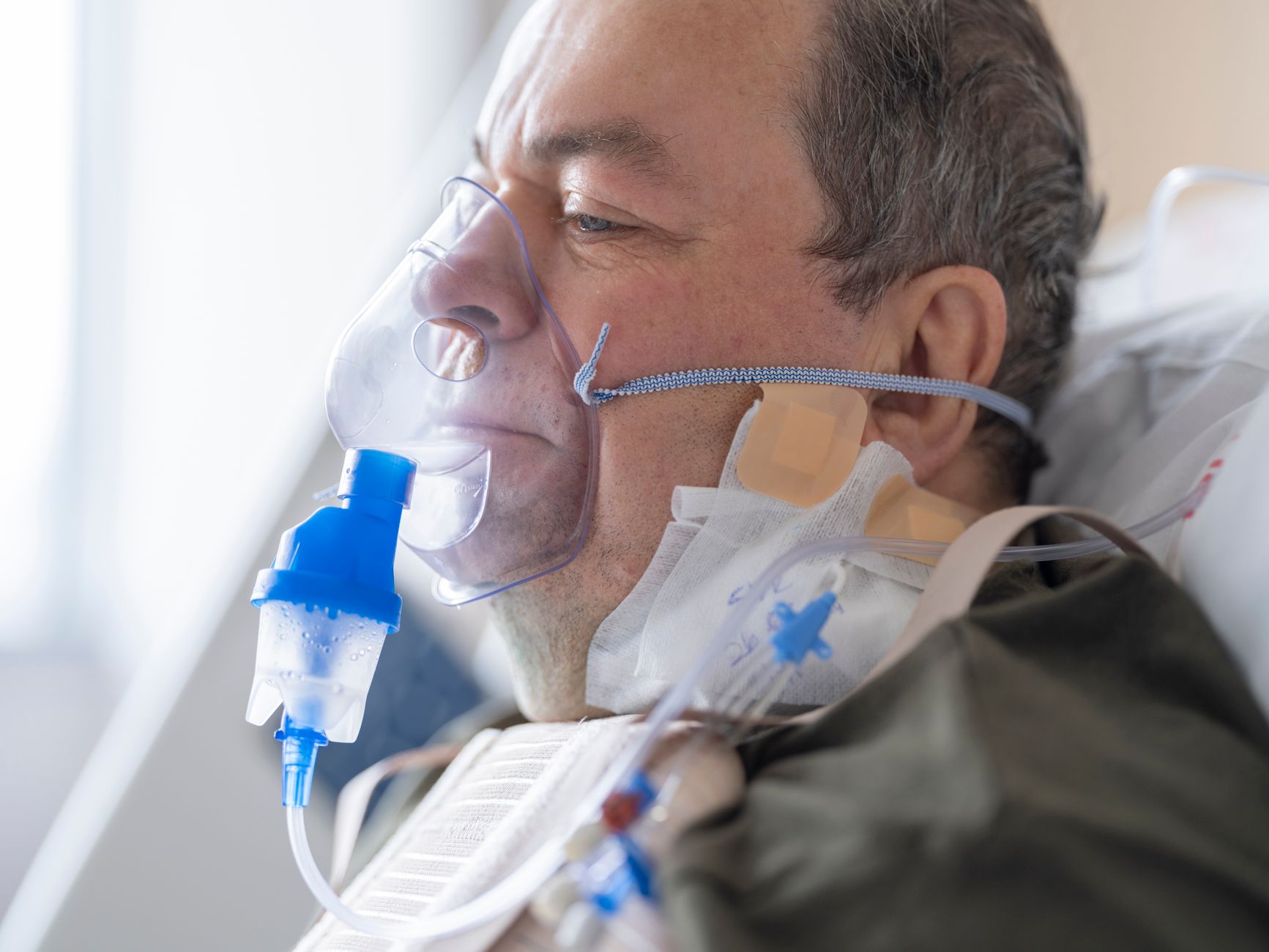
If a CPAP machine, oxygen concentrator, home dialysis unit, or medication fridge keeps you or a family member alive, a power outage is never a routine inconvenience. In Ontario, freezing rain, windstorms, and summer grid strain can leave homes without electricity for hours or days. Waiting for the utility to restore power is not a medical plan. You need a tested backup sequence that starts with your specific device load and ends with a safe source of electricity. The data in emergency power statistics 2026 shows why this matters: outages are getting longer and more frequent across Canada.
The good news is most CPAP machines draw only 30 to 100 watts. A small battery station can run one overnight. Oxygen concentrators are heavier loads, often 300 to 600 watts running with a brief surge that is two to three times higher. That changes the math. Plan around real nameplate watts, not guesses. The wrong battery or generator can shut down a compressor or ruin a motor.
This how-to guide follows Ontario rules from the Electrical Safety Authority and product standards from CSA Group. It covers device load lists, portable power stations, inverter generators, transfer switches, cords, UPS units, and monthly testing. It also flags the carbon monoxide risks that kill people during outages. Some steps need a licensed electrician. Others need only a watt meter and a clear plan.
What You’ll Need
- Watt meter or device labels
- Extension cords rated for outdoor use
- Transfer switch or interlock kit installed by an electrician
- Battery power station or inverter generator
- CSA-approved CO detector
- UPS with pure sine wave output
- Manufacturer instructions for medical device
How Do You Power CPAP, Oxygen Concentrators & Medical Devices in an Outage?
- List every medical device and record its running and starting watts
Start with the nameplate or power supply on each medical device. Write down running watts, not just volts and amps. A CPAP machine without a heated humidifier typically draws 30 to 60 watts. Add the humidifier and the load rises to 60 to 100 watts. An oxygen concentrator usually draws 300 to 600 watts when running. A suction machine may draw 50 to 150 watts. These numbers are your baseline.
Then check for starting watts. Compressor motors in oxygen concentrators and older ventilators can pull two to three times their running wattage for a second or two. A 400 watt oxygen concentrator may need a 900 watt surge from your power source. Write down both numbers for each device. If you cannot find the label, use a plug in watt meter. The full sizing method is explained in how to size a generator for your home.
The common mistake is to use the CPAP wattage without the humidifier. A 30 watt CPAP becomes a 90 watt load when heated moisture is on. If you size a battery for 30 watts, it will shut down partway through the night. List the maximum load, not the minimum. Tape the list near your electrical panel.
- Pick the right backup power source for the load
For CPAP and other low wattage devices, a portable power station is often the cleanest solution. A 300 watt hour unit can run a 40 watt CPAP for roughly 6 to 7 hours after inverter losses. A 1,000 watt hour station like the Check the EcoFlow DELTA 2 on Amazon can run a 90 watt CPAP with humidifier for around 10 hours. This avoids fuel, cords, and carbon monoxide.
For oxygen concentrators, calculate total watt hours. A 400 watt concentrator running for 8 hours needs about 3,200 watt hours of usable capacity. Most portable stations under 2,000 watt hours cannot do that. An inverter generator becomes the better tool. Compare models in best portable power station 2026 and best portable generators 2026. A 2,200 watt inverter generator can run a 400 watt concentrator and still power lights or a fridge.
If you have multiple medical devices or want protection for a well pump, furnace, or sump pump, consider a standby generator or whole home battery. These systems start automatically and avoid extension cords. They cost more and need professional installation. For medical equipment, automatic start matters when you are asleep or unable to go outside.
Check the waveform before you buy. CPAP machines and oxygen concentrators usually want a pure sine wave inverter. Some modified sine wave units can make motors run hot or noisy. Pick equipment that meets Ontario electrical standards and the device manufacturer’s instructions.
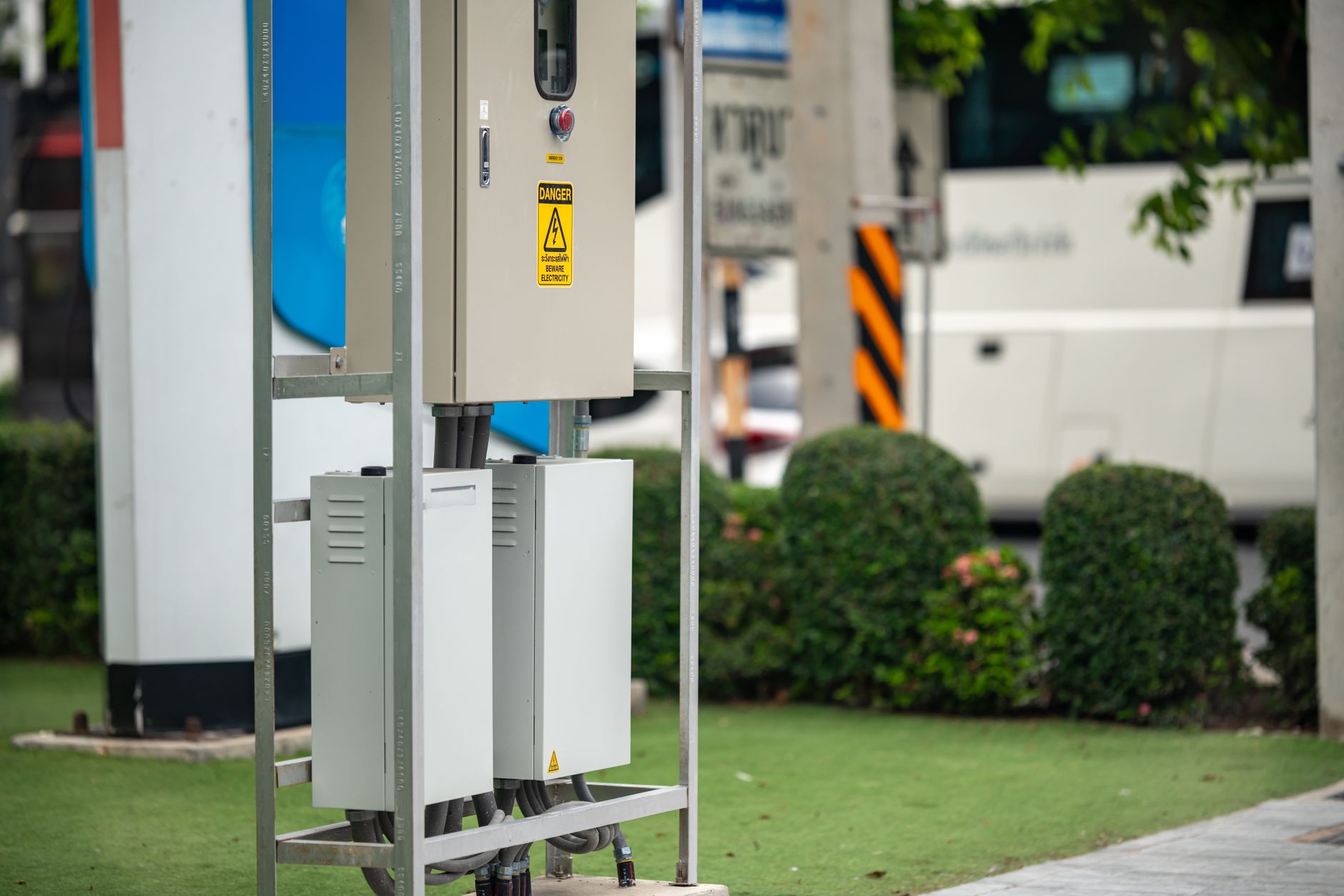
- Install a transfer switch or dedicated inlet for generator hookup
A portable generator must never be plugged into a wall outlet or dryer outlet to backfeed the house. Backfeeding sends power onto utility lines that line crews believe are dead. It can kill a worker. It also bypasses your circuit breakers and can start a fire. There is no safe DIY shortcut around this.
In Ontario, the Electrical Safety Authority requires a transfer switch or an approved interlock kit for any generator connected to a home electrical system. The work must be done by a licensed electrician. You can read the rules at the Electrical Safety Authority. The electrician installs a dedicated 30 amp inlet for a portable generator or an automatic transfer switch for a standby unit.
Once the inlet is installed, you plug the generator into that inlet, not into a standard indoor outlet. The transfer switch keeps generator power separate from utility power. This also protects your medical devices from surge or overload. Follow the same electrical safety practices in generator safety tips.
- Run portable generators outdoors with CO detection and dry protection
Carbon monoxide is the biggest killer during generator use. A generator must run outdoors, at least 20 feet from any door, window, or vent. Never run it in a garage, even with the door open. Carbon monoxide can build to fatal levels in minutes. CSA Group publishes generator and CO safety standards that all certified units must meet. See CSA Group.
Install a battery powered CO detector inside the sleeping area and outside each bedroom. Carbon monoxide exposure can cause headache, weakness, dizziness, and confusion. At around 200 parts per million, symptoms may appear within two to three hours. At higher levels, death can happen in under an hour. The detector should alarm early enough for you to turn off the generator and get outside.
Keep the generator dry. You can use a purpose built generator tent or a ventilated cover, but never enclose it. A typical 2,200 watt inverter generator burns around 3.8 to 4.5 litres of gasoline in 8 hours at half load. Store fuel safely and shut the generator off before refueling. Let it cool first.
Practice the shutdown and refueling sequence in daylight before an outage. Keep a flashlight and a dry pair of gloves near the generator. The fewer surprises during a blackout, the safer the medical backup plan.
- Use correct extension cords and plug each device safely
Use heavy duty outdoor rated extension cords. For a 100 watt CPAP, a 16 gauge cord may work for short runs, but outdoor generator use usually needs longer cords. A 14 gauge cord handles 15 amps up to 50 feet. A 12 gauge cord handles 20 amps up to 50 feet with less voltage drop. For a 400 watt oxygen concentrator, a 14 gauge outdoor cord is usually fine. For a generator feeding a transfer switch inlet, the electrician supplies the correct 30 amp cord.
Do not daisy chain cords. One cord per device or one cord to the inlet. Multiple adapters create heat and voltage drop. Plug the medical device directly into the generator outlet or a properly rated cord that is protected by a GFCI where required. Keep cord connections off wet ground and out of basements that may flood.
Inspect cords before each use. Look for cuts, melted insulation, loose plugs, or exposed wires. A damaged cord can cause a shock or fire. Store cords indoors so they stay dry. The cord is part of the medical power chain, same as the generator.
- Add a UPS or battery bridge so devices never see a power gap
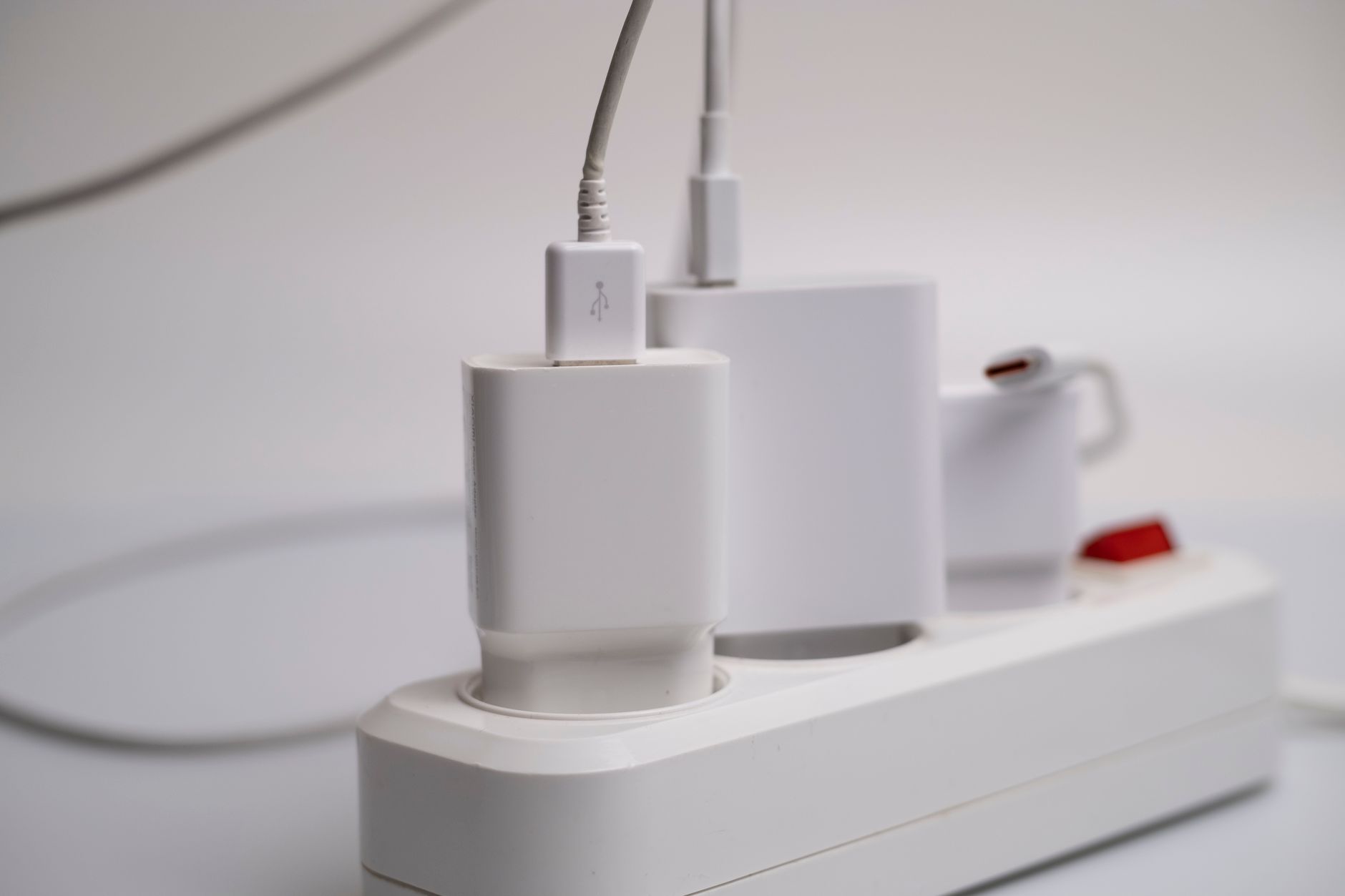
A UPS, or uninterruptible power supply, keeps a CPAP or small medical device running for the few minutes it takes to start a generator or switch power sources. It also cleans up small voltage dips. You do not need a massive unit. Compare options in best UPS for home office.
Size the UPS by watts, not just VA. A CPAP with a heated humidifier may draw 90 watts. A 600 VA unit rated at 360 watts can run that CPAP for around 20 to 40 minutes depending on the battery. That gives you time to start the generator or wake up and check the battery station. Look for a pure sine wave output, especially for motor driven medical devices.
Some CPAP machines can run directly from a 12 volt DC adapter and a battery station. The Check the Jackery Explorer 1000 on Amazon is a pure sine wave unit that can run a 60 to 90 watt CPAP for several nights if you recharge it during the day. This is a useful bridge when you do not want to run a generator all night.
Test the UPS or battery station transfer time with the device running. Some oxygen concentrators may not like the short transfer delay of a basic UPS. If the device shuts off, use a different bridge battery or start the generator before switching. The goal is zero interruption for critical care.
- Test and maintain the medical backup power system monthly
A backup power plan only works if it starts. Run the generator for 20 minutes every month. Plug in a small load such as a work light or the CPAP itself. Check the oil, air filter, and fuel level. Gasoline degrades after 3 to 6 months without a stabilizer. Use fuel stabilizer and rotate stored fuel every season.
Charge lithium and lead acid battery stations monthly. A battery left unused can self-discharge over time and be dead when you need it. Test the CO detector button and replace its battery according to the maker. Write the test date on a label near the equipment.
Rehearse the full start up sequence at least twice a year. Include a night test with the CPAP running from the backup source. Note any cords, adapters, or settings that are missing. The more routine the process, the less stressful a real outage becomes.
- Build a fail-safe plan for multiday outages and critical care
For a multiday outage, plan for fuel and battery recharging. A portable power station drained by a CPAP can be recharged with solar panels or a vehicle outlet during the day. A generator needs a safe fuel supply and cool down checks every few hours. If roads are open, you may be able to buy fuel. If not, ration what you have.
Know your local utility’s process for medically essential customers. Some Ontario utilities offer priority restoration lists for people who depend on powered life support equipment. Call them in advance and confirm what documentation they need. This does not replace backup power, but it may shorten an outage at your address.
Keep spare oxygen cylinders or a backup oxygen supply if your concentrator is your primary source. Know the cylinder flow rate and duration. Write down the phone numbers for your medical equipment provider, pharmacy, and nearby hospital. If the heat or cold becomes dangerous, plan to leave.
Run the backup system through a full night before you need it. Nothing exposes weak points like a real test with the full medical load. After that, you can sleep with confidence that the next outage will not cut off your air or treatment.
Red Flags & Warnings
- 🚨 Never run a generator indoors, in a garage, or near an open window. Carbon monoxide can kill before symptoms appear.
- 🚨 Never backfeed a generator into a wall outlet or dryer outlet. Use an approved transfer switch installed by a licensed electrician.
- 🚨 Do not undersize the power source. A CPAP with humidifier and an oxygen concentrator together may exceed a small battery station or generator.
- 🚨 Use only outdoor rated extension cords with the correct gauge. Inspect them before every use.
- 🚨 Install battery powered CO detectors in sleeping areas and test them monthly.
- 🚨 Never refuel a hot generator. Shut it off and let it cool first.
Frequently Asked Questions
How long will a portable power station run a CPAP?
A 300 watt hour station runs a 40 watt CPAP for about 6 to 7 hours. With a heated humidifier at 90 watts, you need roughly 700 to 1,000 watt hours for one full night.
Can I run an oxygen concentrator on a portable power station?
Most oxygen concentrators draw 300 to 600 watts. Running one for 8 hours requires about 3,200 watt hours at 400 watts. Only very large stations can do this, so an inverter generator or standby system is usually safer.
Is a generator safe for CPAP or oxygen concentrator electronics?
Yes, if it is an inverter generator with pure sine wave output and sized for the device’s starting surge. Standard generators with high total harmonic distortion can damage motor driven devices.
Do I need an electrician to connect a generator for medical equipment?
Yes. In Ontario, connecting a generator to your home’s wiring requires a transfer switch or interlock kit installed by a licensed electrician under ESA rules. Portable generators used with extension cords do not, but backfeeding is illegal and deadly.
How far should a generator be from a house?
Keep a generator at least 20 feet from doors, windows, and vents. Point the exhaust away from the house. Install CO detectors inside sleeping areas.
What size UPS do I need for a CPAP machine?
Choose a pure sine wave UPS rated for at least 1.5 times the CPAP’s maximum watts. A 90 watt CPAP works with a 360 watt or larger UPS for 20 to 40 minutes of bridge power.
What Should You Remember?
- Know your watts first: Record running and starting watts for every medical device.
- Match source to load: Use a battery station for CPAP, an inverter generator for oxygen concentrators.
- Never backfeed: Install a transfer switch or use approved extension cords only.
- Respect carbon monoxide: Run generators outdoors, 20 feet from the house, with working CO detectors.
- Use pure sine wave: Protect CPAP motors and concentrator electronics from dirty power.
- Test monthly: Run the generator, charge batteries, and rehearse the switchover before an outage.
This article is for general information only. Always follow manufacturer instructions, local electrical codes, and hire a licensed electrician for transfer switches and standby generator installation. Carbon monoxide is deadly , never run a generator indoors.