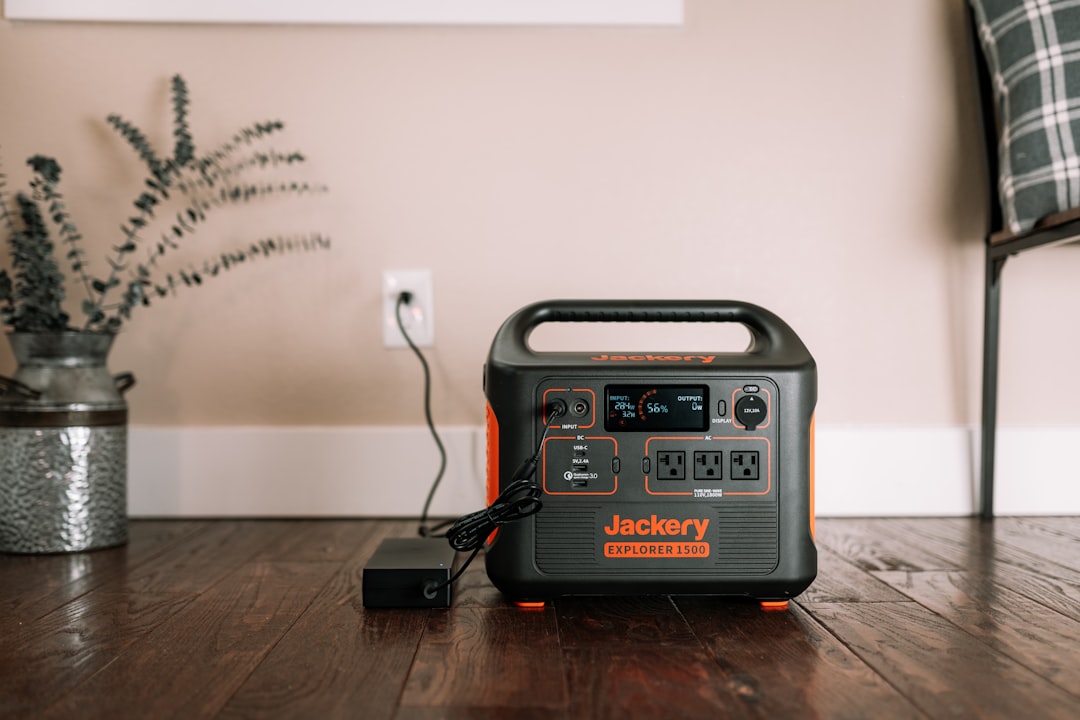
A refrigerator is one of the first appliances Ontario homeowners want to protect during a blackout. Food spoils quickly when the compressor stops. A portable power station can buy you hours or even a full day of cold storage. But many people guess at runtime and end up with spoiled milk and thawed meat. Before you spend money on a battery, you need a repeatable calculation. Our guide to the best portable power station covers top-rated units, but this article focuses on the math, the startup surge, and the food safety limit.
The answer depends on three variables. The fridge draws running wattage, needs a startup surge, and cycles on and off. The power station has a usable capacity in watt-hours. The environment, especially the temperature in a cold Ontario garage, changes the math. This guide walks through those variables step by step, using real appliance data and Canadian safety rules. You will not need an electrician for a standalone fridge and power station. But you must respect the inverter surge rating and keep the unit dry and cool.
The calculations below line up with the same logic in our best home backup power guide. They also align with food safety guidance from Health Canada. A portable power station is not a whole-home generator. Still, it can keep the most important appliance running during the first critical hours. For Ontario ice storm risks, see our Ontario ice storm power outage prep guide. Start with the calculations below and then test the setup before you need it. A wrong guess can cost you hundreds of dollars in spoiled groceries. This guide explains how to avoid that.
What You’ll Need
- Plug-in watt meter
- 12 gauge extension cord, 25 feet or less
- Fridge thermometer
- Portable power station with surge rating above 2,000 watts
How Do You Calculate Portable Power Station Refrigerator Runtime?
- Find the running and startup wattage of your fridge.
Start with the nameplate. It lists volts and amps, not always watts. Multiply volts by amps to get running watts. A modern Ontario fridge often runs at 120 volts and 1 to 2 amps, so 120 to 240 running watts. Older units can draw 300 to 400 watts. Energy Star models usually sit near 150 running watts. Check the compressor label inside the fridge door or on the back.
Startup surge matters more than running watts. A compressor can draw 3 to 5 times its running watts for one to three seconds. A 150 watt fridge can spike to 600 or 750 watts. Power stations list a surge rating, but you need headroom. If the inverter cannot supply the surge, the fridge will not start and may trip the unit. See the portable power station guide for models with high surge capacity.
Use a plug-in watt meter for exact numbers. Plug the meter into the wall, then plug the fridge into the meter. Run it for 24 hours to capture compressor cycles. The meter records peak watts and total watt-hours used per day. This data removes guesswork. It also shows how often the fridge cycles, which changes the runtime calculation.

- Convert daily energy use to watt-hours.
A fridge does not run continuously. The compressor cycles on and off. In a typical Ontario kitchen, the duty cycle is 33 to 50 percent. A 150 watt fridge running 8 hours per day uses 1,200 watt-hours. If it runs 12 hours, it uses 1,800 watt-hours. The watt meter reading gives the most accurate daily total.
To estimate without a meter, multiply running watts by 8 or 12 hours. For example, a 200 watt fridge at 50 percent duty cycle uses 2,400 watt-hours per day. That means a 1,000Wh power station will not last a full day. You would need at least 2,400Wh of usable capacity for 24 hours. This is why capacity matters more than running watts.
Food safety timelines reinforce the math. Health Canada advises that a full freezer keeps food safe for about 48 hours if the door stays closed. A half-full fridge keeps food safe for only 4 hours without power. Check our guide to how long food lasts without power for specific items.
- Check usable battery capacity, not just the spec sheet number.
A power station rated at 1,000Wh does not deliver all 1,000Wh to your fridge. The inverter and battery management system consume some energy. In cold temperatures, lithium battery capacity drops. Plan for 85 to 90 percent usable capacity. A 1,000Wh unit gives about 850 to 900Wh of real output.
Look for lithium iron phosphate, also called LiFePO4. These packs handle more cycles and keep voltage stable. Some units, like the EcoFlow DELTA Pro, let you add extra batteries. For a fridge, a single unit between 1,000Wh and 2,000Wh is the practical sweet spot. Check the EcoFlow DELTA Pro on Amazon if you want expandable capacity. You can also compare options in our best solar generators guide.
Check the inverter rating. A 1,000Wh unit with a 1,000 watt inverter can handle most fridges. But if the surge is over 2,000 watts, you need a unit with a 2,000 watt surge rating. Some budget power stations rate continuous output lower than surge. Read the fine print.
- Calculate realistic runtime and add a 20 percent safety margin.
Use this formula. Divide usable watt-hours by the fridge’s actual hourly watt draw. A 900Wh usable battery divided by a 150 running watt fridge with a 50 percent duty cycle equals 12 hours of compressor run time. But in real terms, that is 24 hours of clock time because the compressor only runs half the time. Still, efficiency losses cut that to 19 to 21 hours.
Always subtract 20 percent for inverter losses, cable resistance, and unexpected door openings. If your math says 10 hours, plan for 8 hours. This margin also leaves enough power to start the compressor repeatedly. Runtime drops sharply if the fridge gasket is old or the kitchen is hot. Check our article on emergency power statistics 2026 for outage frequency and duration data in Ontario.
A 2,000Wh unit with 1,800Wh usable and a 150 watt average draw gives about 12 hours of actual compressor run time. That is close to a full day of intermittent operation. For a multi-day outage, you need a recharge plan. We cover solar charging in the next steps.
- Match the inverter output to the compressor surge.
A fridge that runs at 150 watts can briefly draw 600 to 1,000 watts on startup. If the power station’s surge rating is only 500 watts, the fridge will not start. It may click, then trip the inverter. In the worst case, the compressor motor overheats. Always check both continuous and surge ratings.
Use a power station with at least 1.5 times the compressor’s locked rotor amps converted to watts. If the fridge nameplate says 6 amps at 120 volts, that is 720 running watts. The startup surge could be 2,160 watts. Choose a unit with a 2,400 watt surge rating or higher. This is more important than battery capacity for the first second.
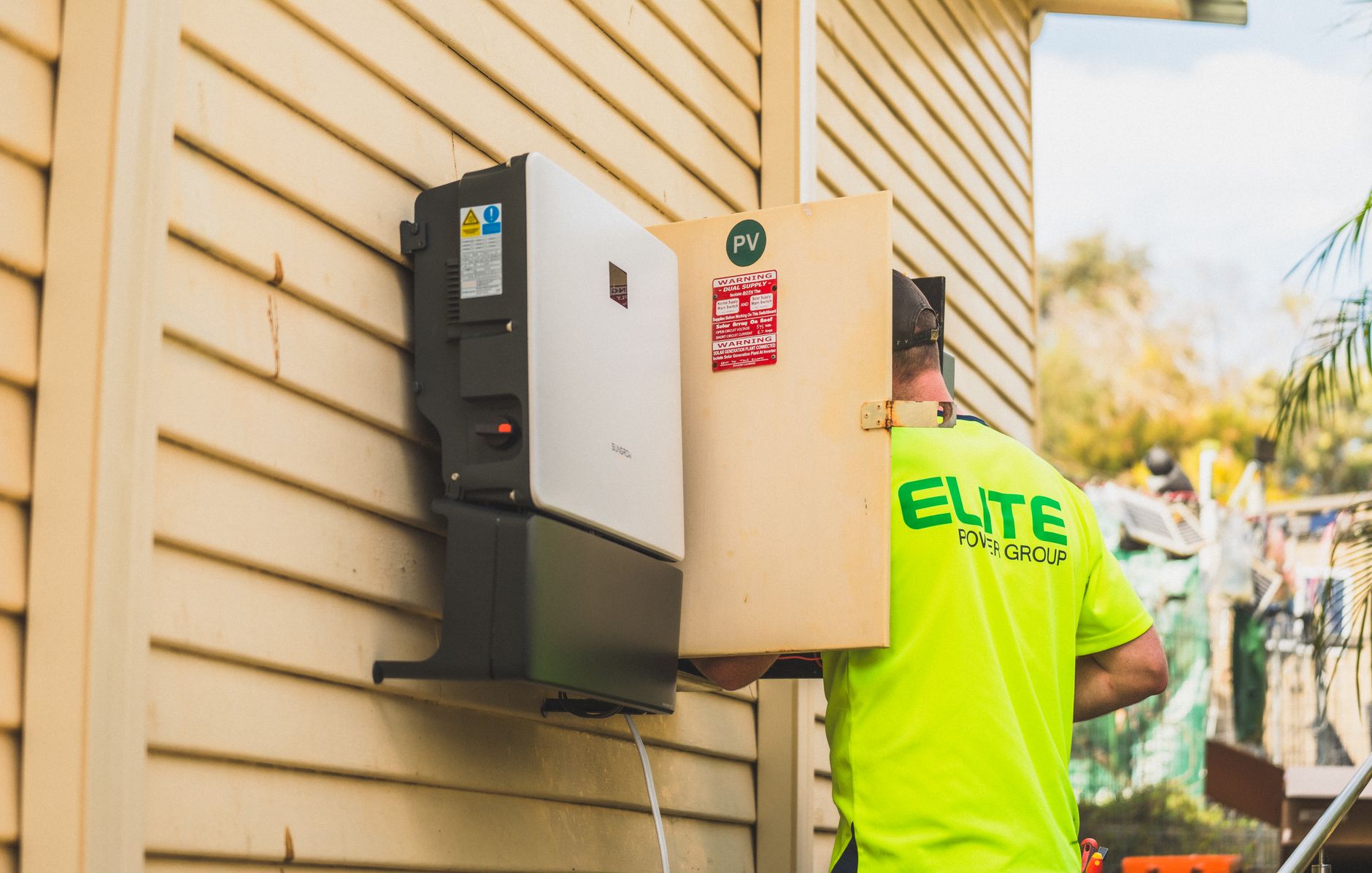
Certification matters here. Look for CSA or UL marks on the power station and any adapter. The Electrical Safety Authority in Ontario recommends using only certified electrical products. Uncertified inverters may fail under surge and create a fire risk. If you are plugging the fridge directly into the power station, you do not need an electrician. But do not wire it into your electrical panel.
- Plan for temperature and food safety during the outage.
Keep the fridge and freezer doors closed. Every time you open a door, cold air escapes and the compressor runs longer. The average Ontario fridge can hold safe temperature for about 4 hours without power if you do not open it. A full freezer lasts much longer, up to 48 hours, because frozen mass holds cold.
Set the fridge to 4 degrees Celsius or lower before the storm. Set the freezer to -18 degrees Celsius. Use a fridge thermometer to check. If the fridge interior rises above 4 degrees Celsius for more than two hours, discard dairy, meat, and leftovers. Refer to our guide on how long food lasts without power for a room-by-room checklist.
In a cold Ontario winter, some people think they can put food outside. That introduces animals and temperature swings. Instead, run the fridge on the power station for a few hours in the morning and evening. You do not need to power it continuously. This cycles the cold and stretches battery runtime across days. For a week-long emergency plan, see our how to survive a week-long power outage guide.
- Recharge the power station while it keeps the fridge cold.
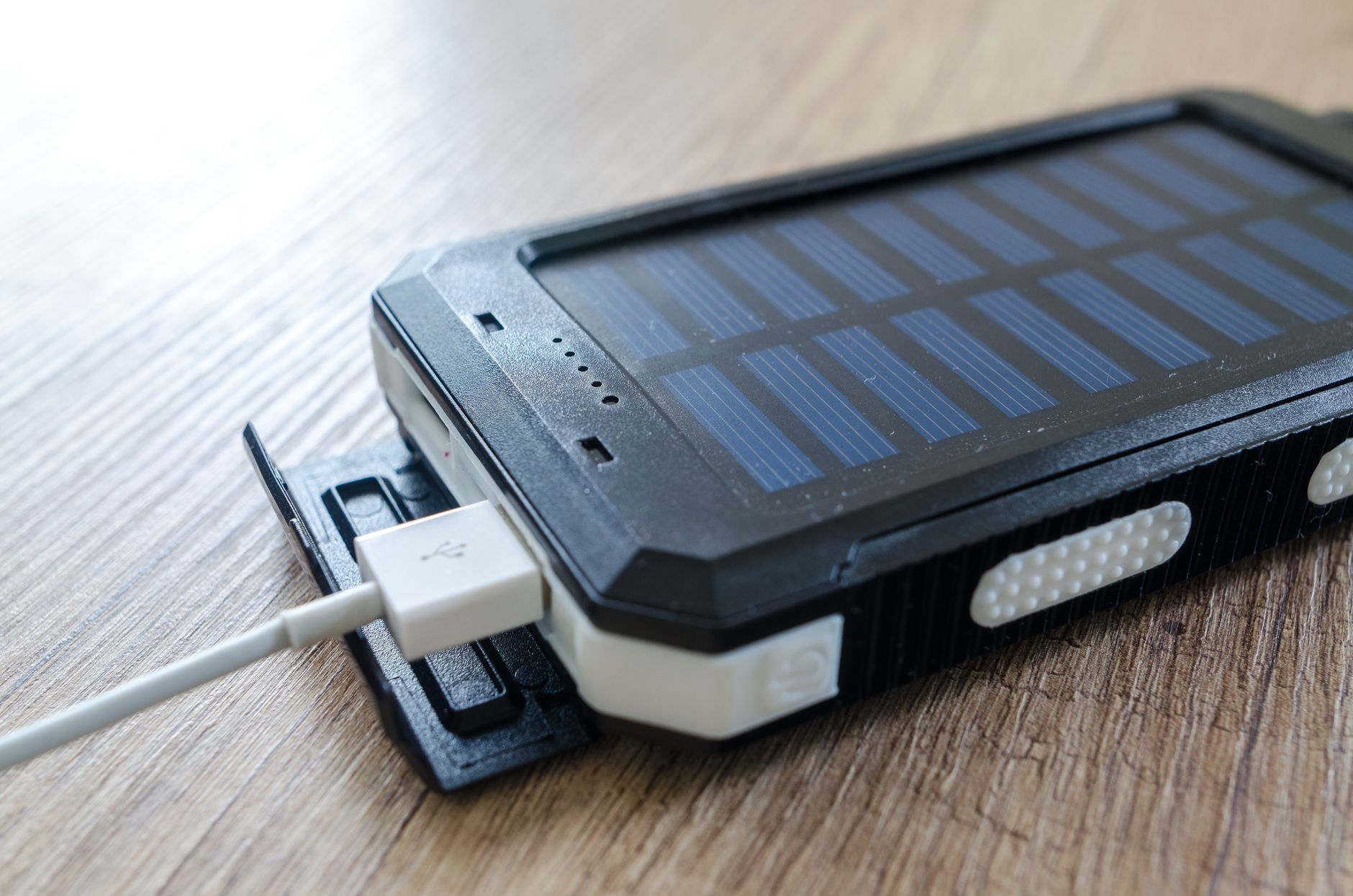
A power station alone cannot last a week. Solar panels are the quiet, fume-free recharge option. A 200 watt panel can add roughly 800 to 1,200 watt-hours on a sunny Ontario day. That is often enough to offset a fridge’s daily draw. Pair the station with portable panels from our best solar generators guide or best solar panels for camping.
If you use a gas generator to recharge the power station, run it outside only. Carbon monoxide kills. Never run a generator in a garage, even with the door open. Follow our generator safety tips and keep the generator at least 20 feet from doors and windows. Ontario code and Health Canada emphasize CO detectors on every level.
You can also recharge from a running vehicle, but that is slow and wastes fuel. A better option is a pre-charged power station plus a solar panel and a small inverter generator. For whole-home backup, see our best home backup power 2026 comparison. But for the fridge alone, solar plus battery is enough for many outages.
- Test the full setup before the next outage.
Do not wait for a blackout to discover the power station cannot start your fridge. Run a test on a normal day. Plug the fridge into the power station and let it run for two hours. Check that the compressor starts, the battery percentage drops as expected, and the inverter does not overheat. Write down the numbers.
Store the power station indoors at room temperature. Lithium batteries lose capacity below freezing. If you keep it in an unheated Ontario garage, it may show 50 percent less runtime in winter. Keep it charged to 80 percent for storage, then top it up before a storm. If you use the unit often, recharge monthly.
Label the cords and keep a printed card with your calculations. During an outage, stress makes math harder. Have the fridge plug, the power station, and a heavy-duty 12 gauge extension cord ready. Use a short cord, 25 feet or less, to reduce voltage drop. This prevents the compressor from stalling. For more seasonal prep, see our Ontario ice storm power outage prep guide.
Red Flags & Warnings
- 🚨 Never run a gas generator indoors or in a garage to recharge the power station. Carbon monoxide is odorless and can kill in minutes. Keep the generator at least 20 feet from windows and doors.
- 🚨 Do not assume the fridge runs at its nameplate amps continuously. The compressor startup surge can be 3 to 5 times higher and will trip a low-surge power station.
- 🚨 Avoid using a thin extension cord. A 14 or 16 gauge cord can overheat and reduce voltage to the compressor. Use a 12 gauge cord no longer than 25 feet.
- 🚨 Do not open the refrigerator door to check food during an outage. Every opening can raise the temperature above 4 degrees Celsius within two hours.
- 🚨 Keep the power station dry and away from snow or rain. Water can short the inverter and create a shock risk.
- 🚨 Do not connect the power station to a home circuit breaker panel. That requires a licensed electrician and a proper transfer switch. Plug the fridge directly into the unit.
Frequently Asked Questions
How long will a 1,000Wh portable power station run a refrigerator?
A typical 1,000Wh station delivers about 850 to 900Wh usable. A 150 watt fridge with a 50 percent duty cycle uses about 75 watt-hours per hour. That gives 11 to 12 hours of actual runtime. Plan for 8 to 10 hours after inverter losses and startup surges.
Can a portable power station handle a refrigerator's startup surge?
Most mid-size and large stations can, but you must check the surge rating. A fridge that runs at 150 watts may briefly spike to 600 or 900 watts. Choose a unit with at least 1,000 watts continuous and 2,000 watts surge for safety.
Does outdoor temperature affect how long a power station runs a fridge?
Yes. Lithium battery capacity drops in cold temperatures. A unit stored in an unheated Ontario garage may lose 20 to 40 percent of its runtime below freezing. Keep the power station indoors and run it at room temperature when possible.
Should I plug the fridge directly into the power station or use an extension cord?
Plug the fridge directly into the power station if the cord reaches. If not, use a heavy-duty 12 gauge extension cord no longer than 25 feet. Thin cords can overheat and cause the compressor to stall.
Can I recharge the power station with a gas generator during an outage?
Yes, but run the generator outdoors only. Use a generator with clean inverter output. Follow carbon monoxide safety rules and keep the generator at least 20 feet from your home. The power station then acts as a buffer between the generator and the fridge.
Is it safe to leave a portable power station running a fridge unattended?
Yes, if the unit is certified, placed on a hard surface, and away from water. Check the manual for duty cycle limits. Do not leave it in a closed hot space. For multi-day outages, check the battery percentage every few hours.
What Should You Remember?
- Battery capacity: Match the power station watt-hours to the fridge’s daily consumption, not just running watts.
- Startup surge: Confirm the inverter surge rating is at least 1.5 times the fridge’s locked rotor watts.
- Duty cycle: Use 33 to 50 percent compressor on-time for realistic runtime estimates.
- Temperature: Keep the fridge at 4 degrees Celsius and the power station above freezing.
- Recharge plan: Add solar panels or a safe outdoor generator to stretch runtime beyond one day.
- Cord safety: Use a 12 gauge cord no longer than 25 feet to avoid voltage drop.
- Test first: Run a two-hour trial before the outage to verify the setup.
This article is for general information only. Always follow manufacturer instructions, local electrical codes, and hire a licensed electrician for transfer switches and standby generator installation. Carbon monoxide is deadly , never run a generator indoors.