Power outages hit Ontario every season, from ice storms to summer heat waves. Many homeowners focus on lights and heat, but the quiet risk is food spoilage. Health Canada warns that food left above safe temperatures can grow harmful bacteria. You may not see or smell a problem. Knowing how long food lasts without power prevents waste and illness. This guide gives refrigerator and freezer timelines, step by step. We also cover backup power options like portable power stations and standby generators.
The basic rule is simple. Keep cold food cold. A refrigerator should stay at 4°C or lower. A freezer should stay at -18°C or lower. Once power fails, the clock starts. The more you open doors, the faster temperatures climb. A full freezer can hold safe temperatures for about 48 hours. A half-full freezer gives you about 24 hours. A fridge gives you only 4 hours. These numbers assume the door stays closed.
Still, no number is perfect for every house. Room temperature, appliance age, and food placement matter. An Ontario kitchen in July will warm faster than one in January. A basement freezer often holds cold better than a garage freezer. Use a digital food thermometer to check. Do not rely on touch or smell. Bacteria like Listeria and Salmonella can grow even when food looks fine. Food safety is about temperature and time, not appearance.
This guide walks through each step after the lights go out. You will learn how to measure temperature, what to save first, when to use backup power, and how to plan ahead. If you need power for a fridge or freezer, a portable power station may run a refrigerator for hours. For longer outages, a home backup generator can keep your kitchen running. Read on for a complete Ontario focused plan.
What You’ll Need
- Appliance thermometer
- Digital food thermometer
- Cooler and ice packs
- Permanent marker and notebook
- Optional: portable power station or generator with CSA rating
- CO detector if using fuel burning backup power
How Do You Know How Long Food Lasts Without Power?
- Check the actual fridge and freezer temperatures as soon as the outage starts
Place an appliance thermometer in the refrigerator and freezer before you need it. Health Canada says a refrigerator must stay at or below 4°C. A freezer needs to stay at or below -18°C. These numbers are not suggestions. They are the line between safe food and rapid bacterial growth. The CSA Group sets performance standards for household refrigerators and freezers under normal power. Without power, that performance disappears fast.
As soon as the lights go out, check the temperature with the existing thermometer. Do not open the door for more than a few seconds. If you do not have an appliance thermometer, use a digital food thermometer to spot check a safe item like a juice container or a frozen water bottle. The AcuRite Digital Refrigerator Thermometer on Amazon costs little and gives you a direct readout. A built-in display may remain off, so a battery powered unit helps.
Write down the starting temperatures and the time. Tape the note to the fridge. That log tells you how long the inside has been above safe limits. If the fridge is already at 6°C when power fails, your safety window is already shorter than 4 hours. If the freezer is at -15°C instead of -18°C, food quality may suffer but safety may last a little longer. Knowing the starting point turns guesswork into a plan.
This step connects to the next one. Once you know the actual temperatures, you can decide whether to keep doors closed, move food, or connect a portable power station. Without numbers, you are flying blind.
- Keep the doors closed and track time from the moment the power fails
Your refrigerator keeps food safe for about 4 hours after the power fails if the door stays closed. A full freezer keeps food frozen for about 48 hours. A half full freezer lasts about 24 hours. These times are the standard emergency guidelines from Health Canada and other food safety agencies. They assume the room temperature is around 20°C to 24°C. An Ontario home in August may hit 30°C, which shortens these numbers.
The single best action after an outage is to keep the doors closed. Every time you open the fridge, cold air spills out and warm air rushes in. A refrigerator that could hold 4 hours may drop to 2 hours if you open it several times. Think about what you need before you open the door. Take out everything for the next meal in one quick motion. Keep a cooler next to the fridge for items you use often.
Track the outage start time on paper or a phone. Use a timer. Do not rely on memory when a long outage stretches into the night. A solar generator can run a small fridge alarm or thermometer display if you need continuous monitoring. If the freezer still has ice crystals and the temperature reads below 0°C, you likely still have time.
This step leads to the next question. What food should you eat first? Once you know the timed windows, you can sort high risk items from stable ones before the clock runs out.
- Sort food by risk and use high risk items first
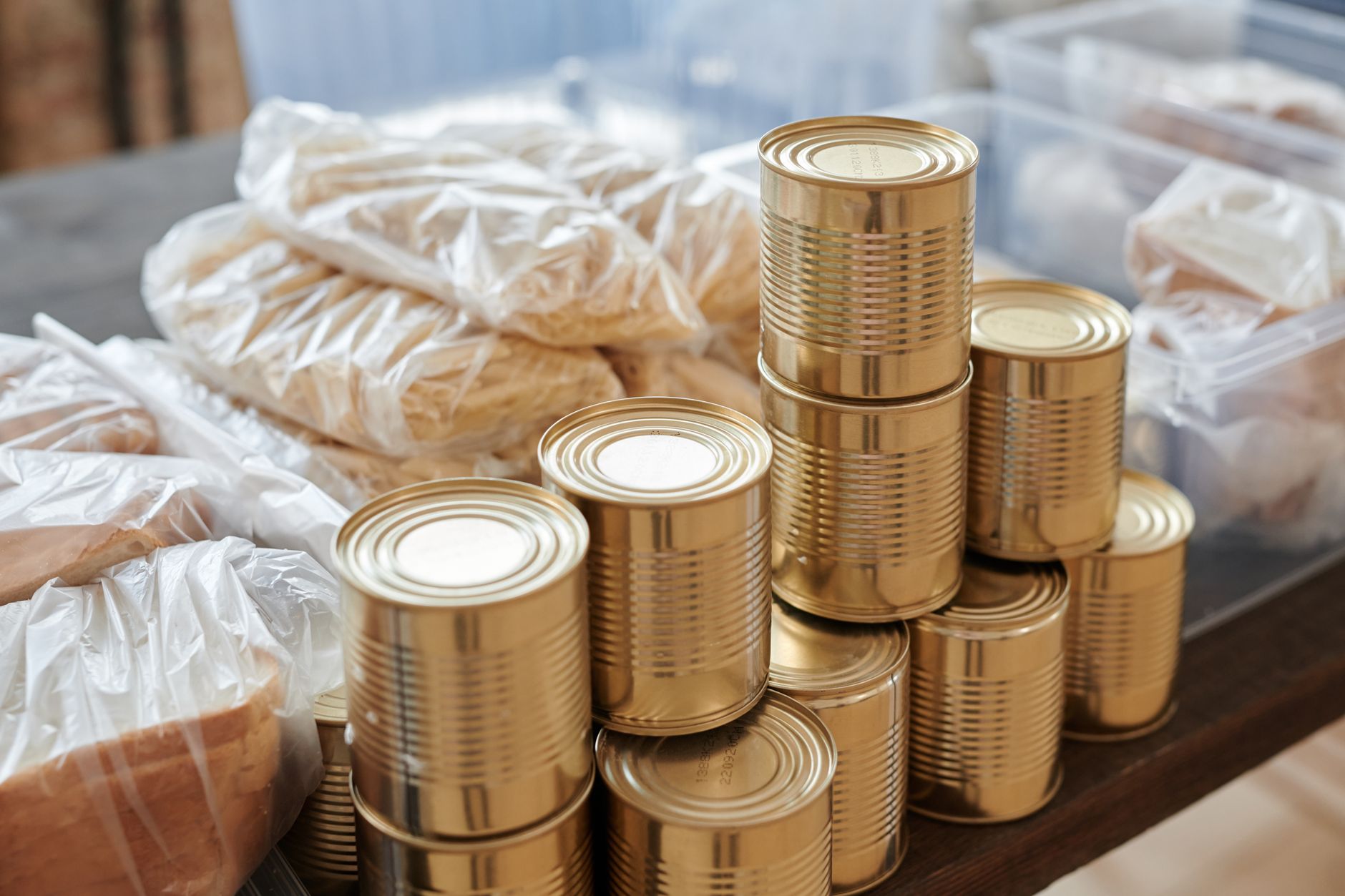
Not all food has the same risk after a power failure. Meat, poultry, fish, eggs, dairy, cooked leftovers, and cut fruit are high risk. These items must stay at or below 4°C. When they rise above that for more than 2 hours, harmful bacteria like Salmonella and Listeria can multiply to dangerous levels. You may not see or smell the problem. Foodborne illness often hits 12 to 72 hours after eating.
Lower risk foods can survive room temperature longer. Whole raw vegetables, hard cheeses, butter, peanut butter, bread, and uncut fruit are more forgiving. That said, soft cheese, mayo-based salads, and raw sprouts belong in the high risk group. When the fridge temperature passes 4°C, start eating or moving the high risk items first. Use a cooler with ice for anything you want to save beyond the 4 hour window.
If you have a generator or portable power station ready, connect the fridge now to keep the high risk food below the danger zone. For a full fridge, a 1,000 Wh power station may run a modern fridge for 4 to 6 hours depending on compressor cycles. That buys time to eat or move everything. But you must use safe connection methods. We cover that in the next step.
Health Canada provides a clear rule: if in doubt, throw it out. The cost of spoiled groceries is much lower than a hospital visit. Sort by risk and act before the 2 hour danger window closes.
- Use backup power for the fridge and freezer only if you can do it safely
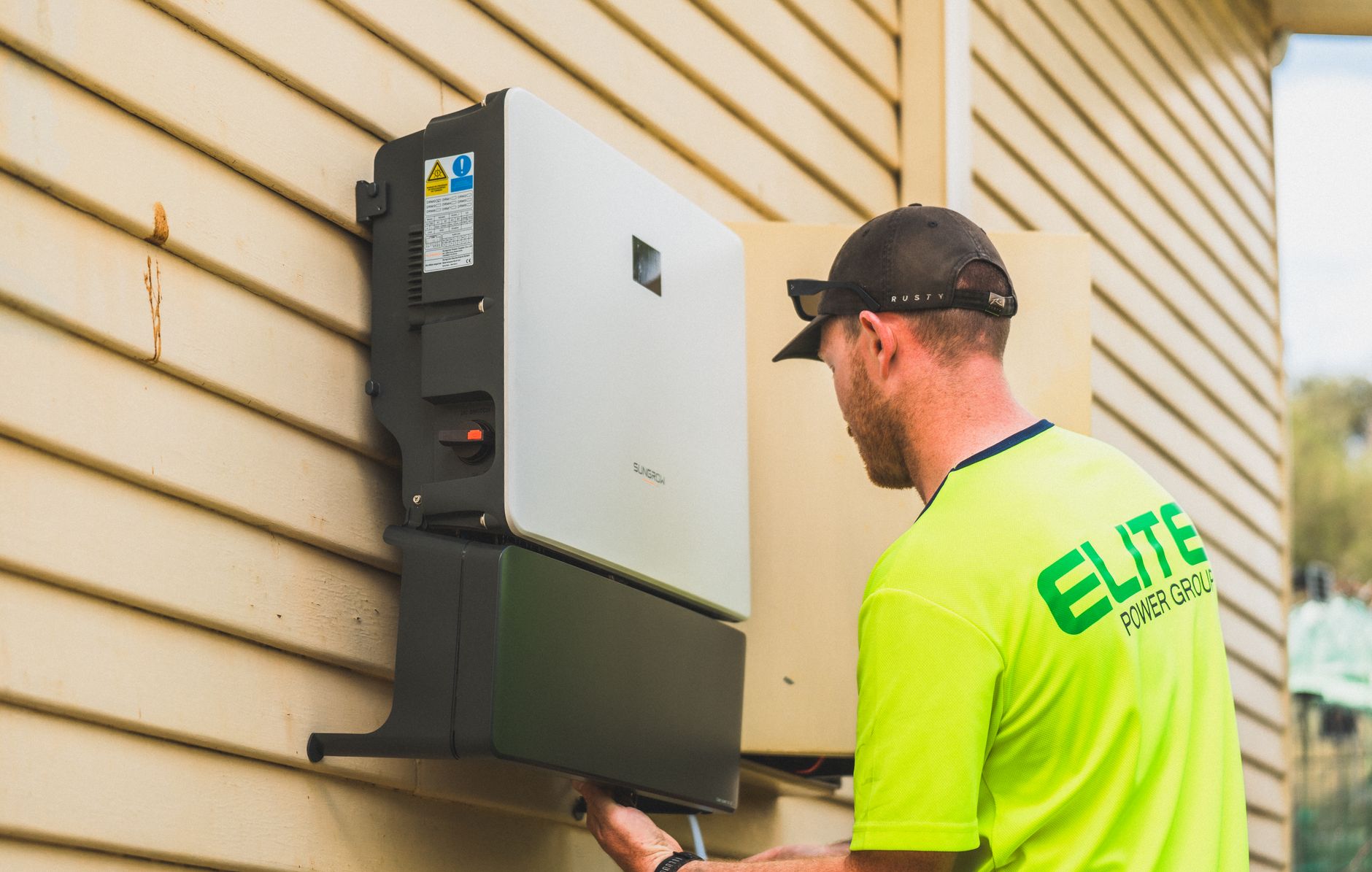
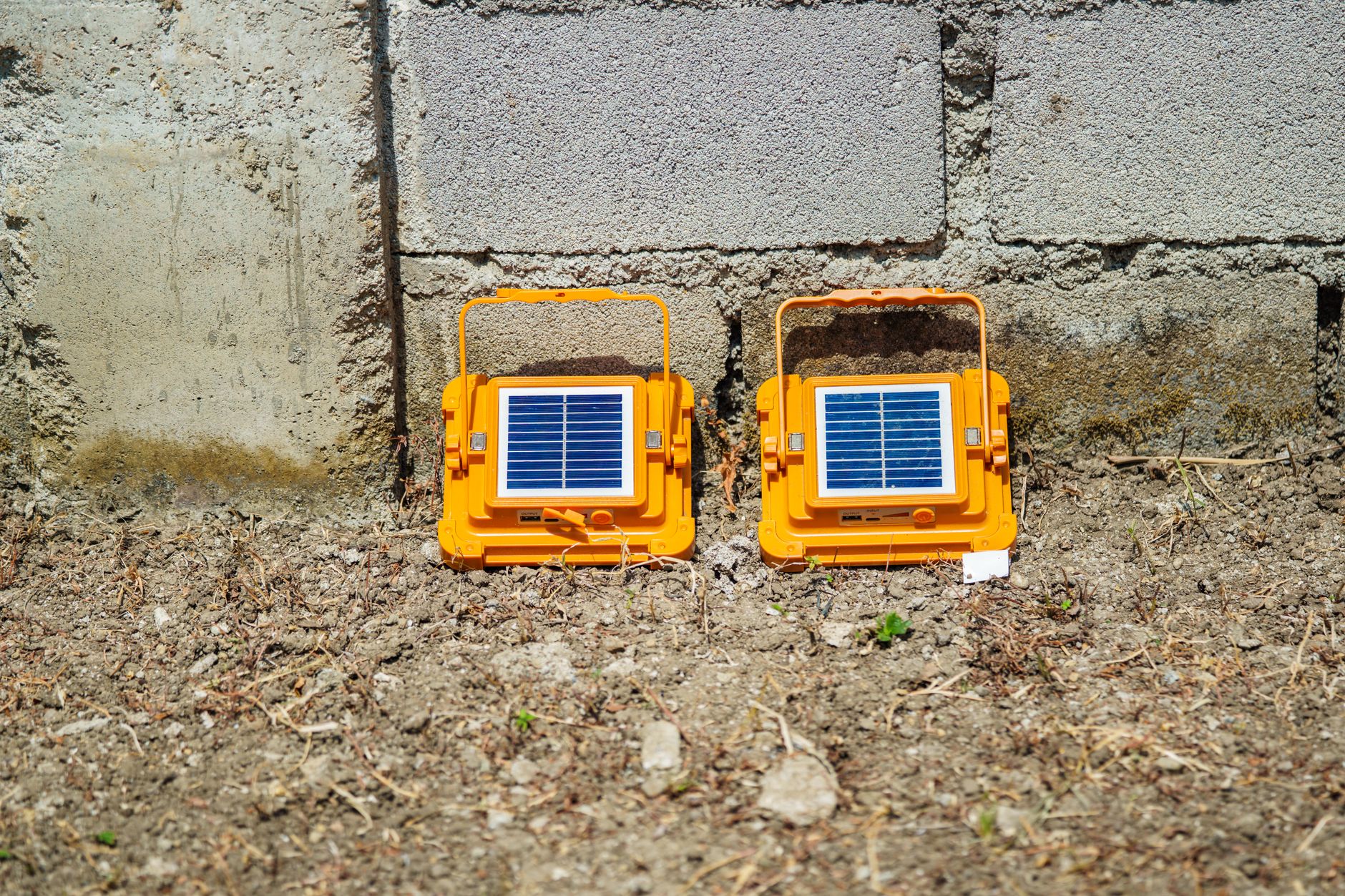
Backup power can save a fridge and freezer if you use it correctly. A small portable power station can run a modern refrigerator for short outages. A fridge may draw 150 to 250 watts when cooling, with a startup surge when the compressor kicks on. A 1,000 Wh power station with a 1,800 W continuous inverter can handle most full size refrigerators for about 4 to 7 hours. Check the fridge label and the power station specs before connecting.
For longer outages, a fuel powered generator offers more runtime. A 2,000 W inverter generator uses about 0.4 to 0.8 litres of gasoline per hour at partial load. That is enough to run a fridge, some lights, and a freezer. But never run a generator inside a house, garage, or near open windows. Carbon monoxide can reach deadly levels in minutes. CSA Group sets the certification for generator and CO safety standards. Use a CSA certified generator and a working CO detector. For Health Canada, CO alarms should meet Canadian standards. Install one on every level.
The safest installation for a whole home fridge backup is a standby generator with an automatic transfer switch. A licensed electrician must install this in Ontario according to the Electrical Safety Authority code. Options like Generac versus Kohler versus Briggs matter for fuel choice and warranty. For portable units, follow our generator safety tips and never backfeed a panel without a proper transfer switch.
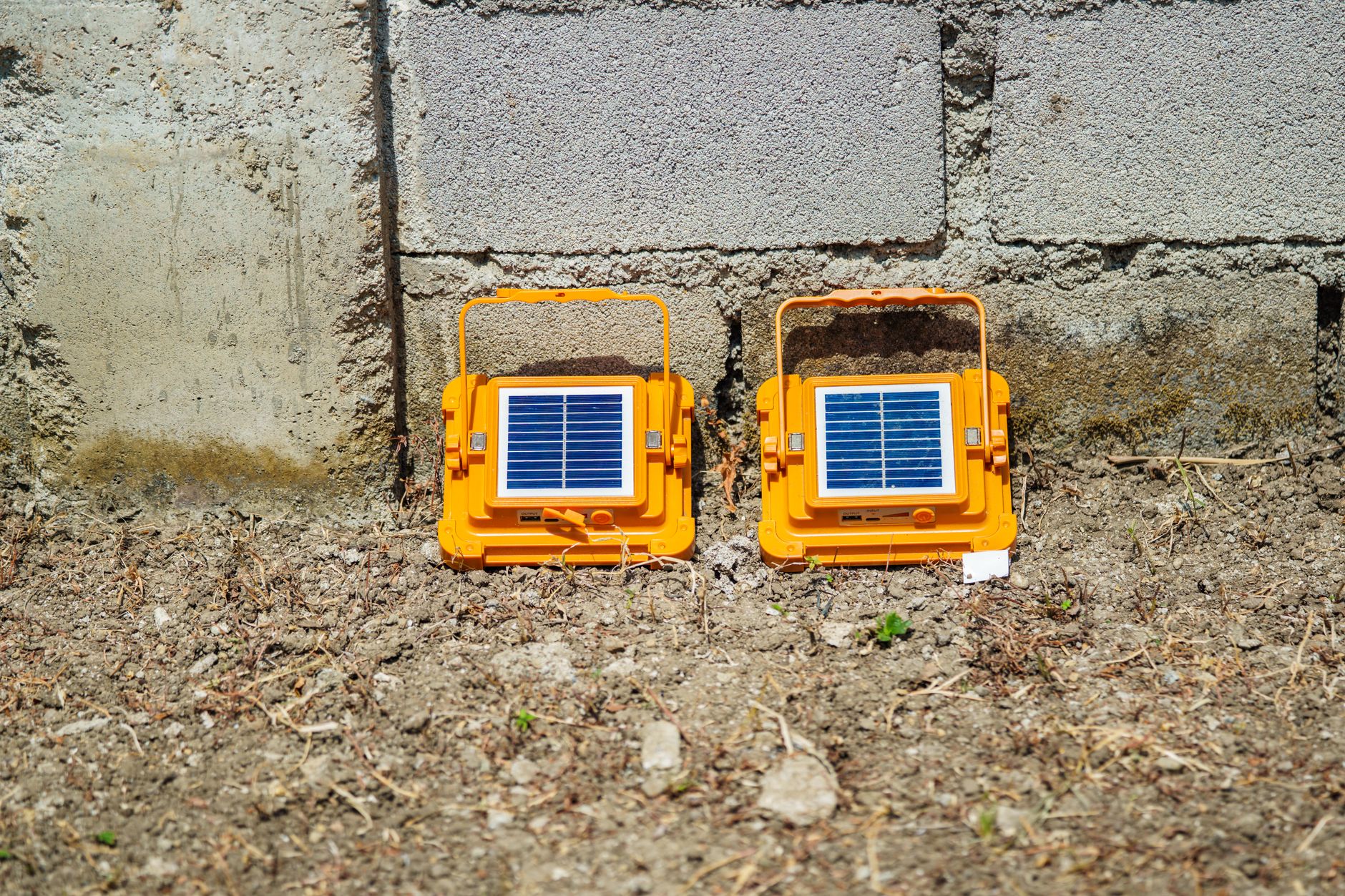
If you need a small portable unit, the Jackery Explorer 1000 on Amazon can handle a refrigerator for a few hours. It is quiet and emits no CO. Connect the fridge directly to the power station with a heavy duty extension cord rated for the fridge amp draw. This step leads to moving food if backup power is not enough.
- Move food to coolers or use cold outdoor air only if conditions allow
Sometimes the outage lasts longer than 4 hours and you do not have backup power. Move high risk food into a cooler packed with ice. Block ice lasts longer than cubes. A full cooler can hold food at or below 4°C for up to 24 to 48 hours if you do not open it often. Put ice on top, not just the bottom, because cold air sinks. Drain the water as it melts, but do not open the cooler just to check.
If it is a cold Ontario winter, you may be tempted to put food outside in the snow. That can work if the outdoor temperature stays consistently below 4°C, day and night. However, sunlight can warm a container even in cold air. Animals can tear into bags. Temperature swings above 4°C are dangerous. Use a sealed container in a shaded spot and monitor the outdoor temperature. If the sun hits the container, the surface can rise above safe levels even when the air is below zero.
Do not store food in a garage if you are running a generator there or nearby. Generator exhaust can contaminate food packaging with carbon monoxide and other chemicals. Keep fuel and generators away from any food storage area. A portable power station is safer than a gas generator for an attached garage, but it is still a battery and should stay dry.
This step preserves what you can. The next step tells you how to inspect and cook food safely once the power returns.
- Inspect, cook, or discard every item once the power returns
When power returns, do not automatically assume everything is fine. Check the thermometer readings first. If the freezer still has ice crystals and the internal temperature stayed at or below -18°C, the food can be safely refrozen. Quality may suffer, but safety is okay. If the food thawed but stayed below 4°C, you should cook it soon rather than refreeze. If any food sat above 4°C for more than 2 hours, discard it. The 2 hour rule applies to total time, not just after the power comes back.
Use a digital food thermometer when you cook thawed food. Cook poultry to at least 74°C internally. Reheat leftovers to 74°C. Never taste food to check safety. Harmful bacteria do not always produce a bad smell or visible slime. Health Canada warns that foodborne illness can be severe for children, older adults, and people with weak immune systems.
Inspect packaging. If juice or blood leaked onto other items, clean the fridge interior with a solution of 1 tablespoon bleach to 1 litre of water. Dry all surfaces. Discard any food with damaged seals, bulging containers, or unusual texture. Frozen raw meat that has fully thawed at above 4°C should go in the garbage. Cooked leftovers are high risk and should not be saved past the 4 hour window.
This step protects your household after the outage. The final step is about restocking and planning so the next outage is less stressful.
- Restock with a plan and build a better refrigerator outage strategy
Restock your freezer with a plan. A full freezer holds cold air longer than an empty one. Fill empty space with water jugs or ice packs. They add thermal mass and can double as drinking water. Label items with a permanent marker and date. Use older items first. Keep an appliance thermometer in both the fridge and freezer so you always know the real temperature.
Consider investing in backup power that fits your home. A whole house battery like a Tesla Powerwall or Enphase IQ Battery can keep your fridge circuit running for a day or more. A portable power station is cheaper for short outages. An Ontario ice storm can knock out power for up to a week. Read our week long power outage guide for a detailed plan. For reliable standby options, compare home backup power systems.
Write a one page fridge outage checklist. Include emergency numbers, a list of high risk food to eat first, and a reminder to never run a generator indoors. Keep it on the fridge door. Practice the plan once a year with your family. A little preparation turns a stressful outage into a manageable problem.
That wraps the complete fridge and freezer guide. Use the temperatures, times, and safe power rules in this article to protect your food and your family.
Red Flags & Warnings
- 🚨 Never taste food to decide if it is safe. Harmful bacteria do not always smell or look bad.
- 🚨 Do not run a generator indoors, in a garage, or near open windows. Carbon monoxide can reach deadly levels in minutes.
- 🚨 Refrigerated food above 4°C for more than 2 hours should be thrown out, especially meat, dairy, eggs, and leftovers.
- 🚨 Do not open the freezer door every hour to check. Each opening can raise the temperature and shorten safe storage time.
- 🚨 Never refreeze food that has fully thawed unless you have cooked it first.
- 🚨 If you use extension cords to power a fridge, use a heavy gauge outdoor rated cord and do not overload it.
Frequently Asked Questions
How long can a refrigerator keep food safe without power?
A refrigerator keeps food safe for up to 4 hours if the door stays closed and the internal temperature remains at or below 4°C. After that, high risk foods like meat, dairy, eggs, and leftovers should be moved to a cooler or discarded.
How long does a full freezer last in a power outage?
A full freezer keeps food frozen for about 48 hours if the door stays shut. A half-full freezer lasts about 24 hours. These times assume the room temperature is around 20°C to 24°C and the door remains closed.
What temperature should my fridge and freezer be?
A refrigerator should stay at or below 4°C. A freezer should stay at or below -18°C. Health Canada recommends these temperatures to slow bacterial growth and keep food safe.
Can I put food outside in the snow during a winter outage?
You can put food outside only if the outdoor temperature stays consistently below 4°C, the food is in a sealed container, and it is protected from direct sun and animals. Temperature swings above 4°C make outdoor storage unsafe.
Is it safe to use a portable generator to run a refrigerator?
Yes, if the generator is sized correctly and placed outdoors at least 20 feet from windows and doors. You must use a CSA certified generator and a working carbon monoxide detector. Never run a generator inside a house or garage.
How do I know if my frozen food is safe after an outage?
If the food still has ice crystals and stayed below -18°C, it can be refrozen, though quality may decline. If it fully thawed but stayed below 4°C, cook it soon. If it sat above 4°C for more than 2 hours, discard it.
What Should You Remember?
- Time limits: Fridge 4 hours. Full freezer 48 hours. Half-full freezer 24 hours.
- Keep doors closed: Every opening speeds up the temperature rise inside the appliance.
- Use thermometers: Check fridge at or below 4°C and freezer at or below -18°C, never by touch or smell.
- Backup power: A portable power station can run a fridge for short outages; a standby generator covers longer ones if installed safely.
- High risk food: Meat, dairy, eggs, and leftovers spoil first. When in doubt throw them out.
- Outage plan: Keep freezers full, have ice packs and a cooler, and know your generator safety rules.
This article is for general information only. Always follow manufacturer instructions, local electrical codes, and hire a licensed electrician for transfer switches and standby generator installation. Carbon monoxide is deadly , never run a generator indoors.