A tiny home can run fully off grid in Ontario, but the power system has to match the building. Many owners underestimate how much energy a small house still needs. A fridge runs all day. A water pump cycles often. Electronics stay plugged in. During a cloudy winter week, these loads add up quickly. You cannot treat an off-grid tiny home like a cabin with an extension cord. The system must cover heavy draw, low sun, and cold battery performance. The first step is a load audit. That number guides every other choice. This guide explains solar, wind, and battery storage with realistic Ontario numbers.
Ontario has strong solar potential in places, but winter is the real test. The Ontario Energy Board reports that a typical Ontario home uses about 750 kWh each month. That equals roughly 25 kWh per day. A tiny home is much smaller. A well-built tiny house might use 5 to 10 kWh per day. Some all-electric units with heat pumps use 15 to 20 kWh per day. Your daily load determines the array size, battery bank, and backup fuel. Off-grid design is less about square footage and more about your largest loads.
This article covers load sizing, solar output, wind reality, battery chemistry, cost, and Ontario code rules. By the end, you can plan a system that works in a bright July and a dark January. Off-grid power is a system, not one product. Each part has to work with the others. A cheap inverter can waste good panels. A small battery can strand you after one cloudy day. Take the time to map real loads before you buy gear. That habit saves money and prevents cold nights without power. The sections below follow the same order you should use in planning.
| Component | Typical Size | Installed Cost Range (CAD) | Notes |
|---|---|---|---|
| Solar array | 2 to 4 kW | $5,600 to $18,000 | Roof or ground mount, MPPT charge controller |
| Lithium battery bank | 10 to 20 kWh | $8,000 to $30,000 | LiFePO4, 2 to 3 days autonomy |
| Inverter charger | 3,000 to 6,000 W | $2,000 to $5,000 | Pure sine wave, 120/240V if needed |
| Small wind turbine | 1 kW | $8,000 to $15,000 | Tower height and site wind dependent |
| Backup generator | 2,000 to 4,000 W | $1,000 to $3,000 | Inverter generator for clean power and lower noise |
How Much Power Does a Tiny Home Actually Need?
Start with a load audit. Write down every device, its running watts, and how many hours per day it runs. Use actual nameplate ratings when you can. Separate running watts from starting watts. A fridge compressor may pull 120 watts running but 400 to 600 watts for a second when it starts. A water pump may pull 90 to 150 watts running but 300 to 700 watts starting. A tiny home inverter must handle those starts or the system will trip.
Most tiny homes use between 4 and 8 kWh per day when they use propane for heat and hot water. A small 12V fridge uses about 0.6 to 1.2 kWh per day. LED lights add 0.3 to 0.6 kWh. A laptop adds 0.3 to 0.5 kWh. A water pump adds 0.2 to 0.4 kWh. If you use a mini split heat pump, add 4 to 12 kWh per day depending on season. That one load can triple the system size.
A typical Ontario home uses about 25 kWh per day according to the Ontario Energy Board. Tiny homes are not just smaller versions of that house. They have fewer large loads, but they still need reliable power. Use the same process as generator sizing to separate essential and optional loads. See how to size a generator for your home for a step by step method.
Inverter sizing is separate from energy storage. A 3,000 watt inverter can run most small appliances at the same time. A home with a 6,000 watt heat pump and a well pump may need a 6,000 to 8,000 watt inverter or a stacked pair. Oversizing the inverter slightly reduces nuisance trips, but it also increases idle draw. Match the inverter to your largest combined loads, not to your total daily energy.
- LED lighting: 5 to 10 watts per fixture
- 12V compressor fridge: 40 to 65 watts running, 600+ starting
- Laptop and router: 45 to 75 watts combined
- Water pump: 90 to 150 watts running, 300 to 700 starting
- Vent fan: 20 to 40 watts
- Mini split heat pump: 600 to 1,200 watts heating, 400 to 900 cooling
How Does Solar Power Work for an Off-Grid Tiny Home?
Solar is the backbone of most tiny home systems. Panels send DC power to a charge controller. The charge controller feeds a battery bank. An inverter converts DC to 120V AC for normal outlets. In an off-grid home, the inverter must be a pure sine wave unit. Many appliances and electronics run poorly on modified sine wave power.
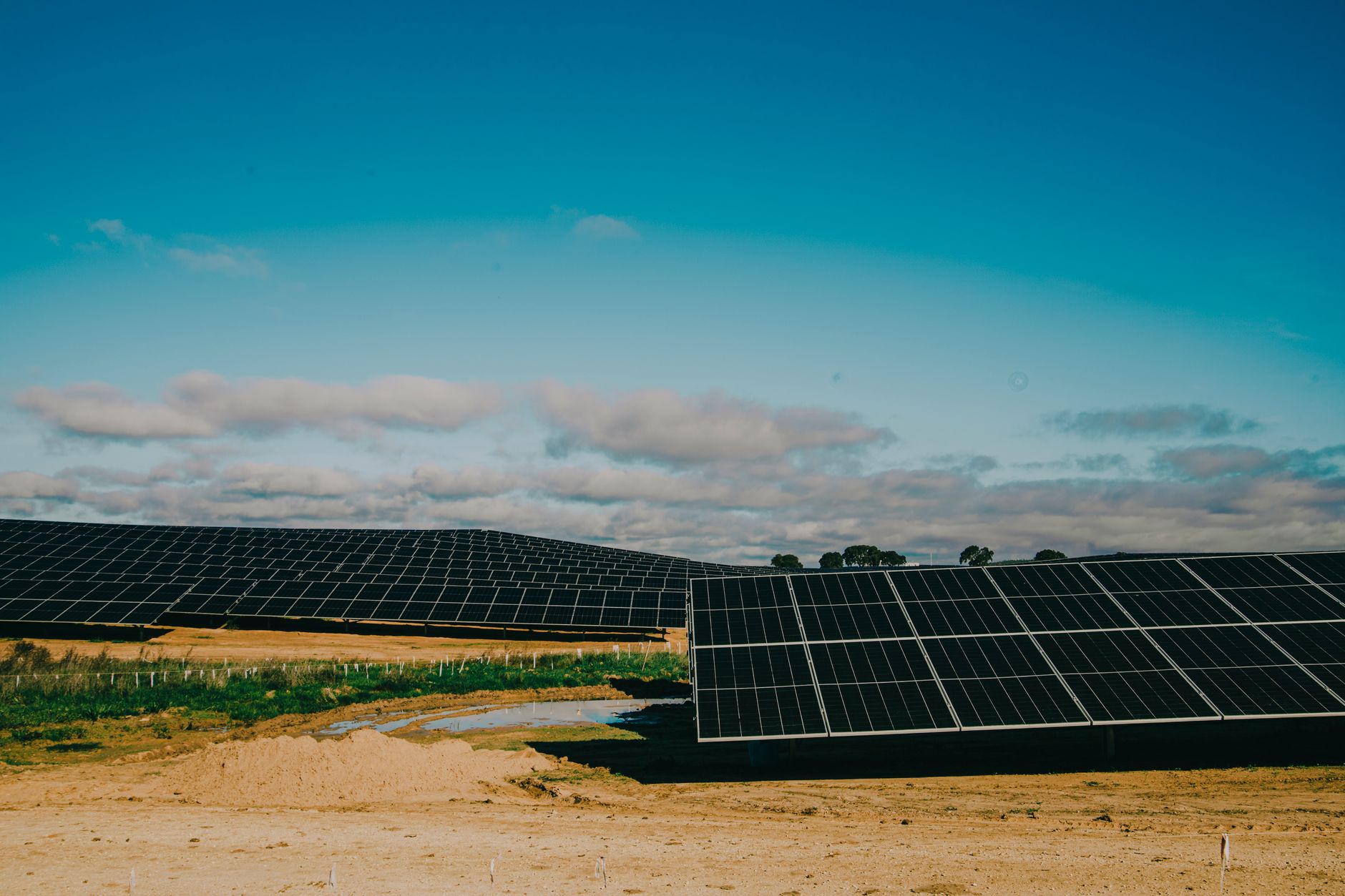
Southern Ontario has useful sun. Natural Resources Canada solar maps show that a fixed south-facing array in southern Ontario can produce about 1,100 to 1,200 kilowatt hours per installed kilowatt each year. That is an annual average. December and January are far lower. A 2 kW array may produce 6 kWh per day in July but only 1.5 to 2 kWh on a cloudy December day. You must size for the worst month, not the annual average.
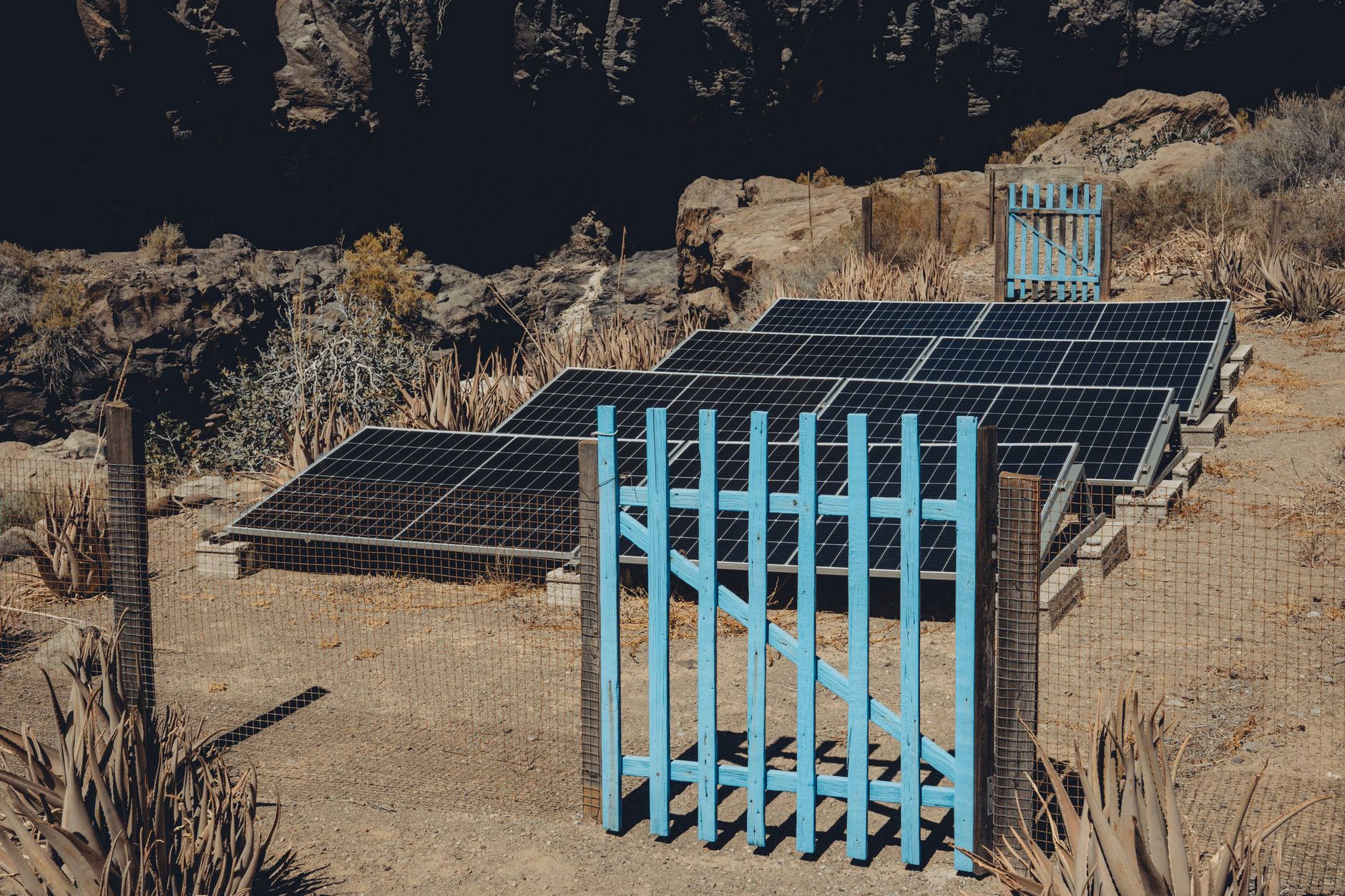
Use monocrystalline panels for small roofs. They produce more per square foot. Use an MPPT charge controller. It harvests more energy than older PWM controllers, especially in cold weather. If roof space is tight, look for high efficiency panels. Compare smaller portable options in our guide to solar panels for camping. For smaller all-in-one systems, see best solar generators.
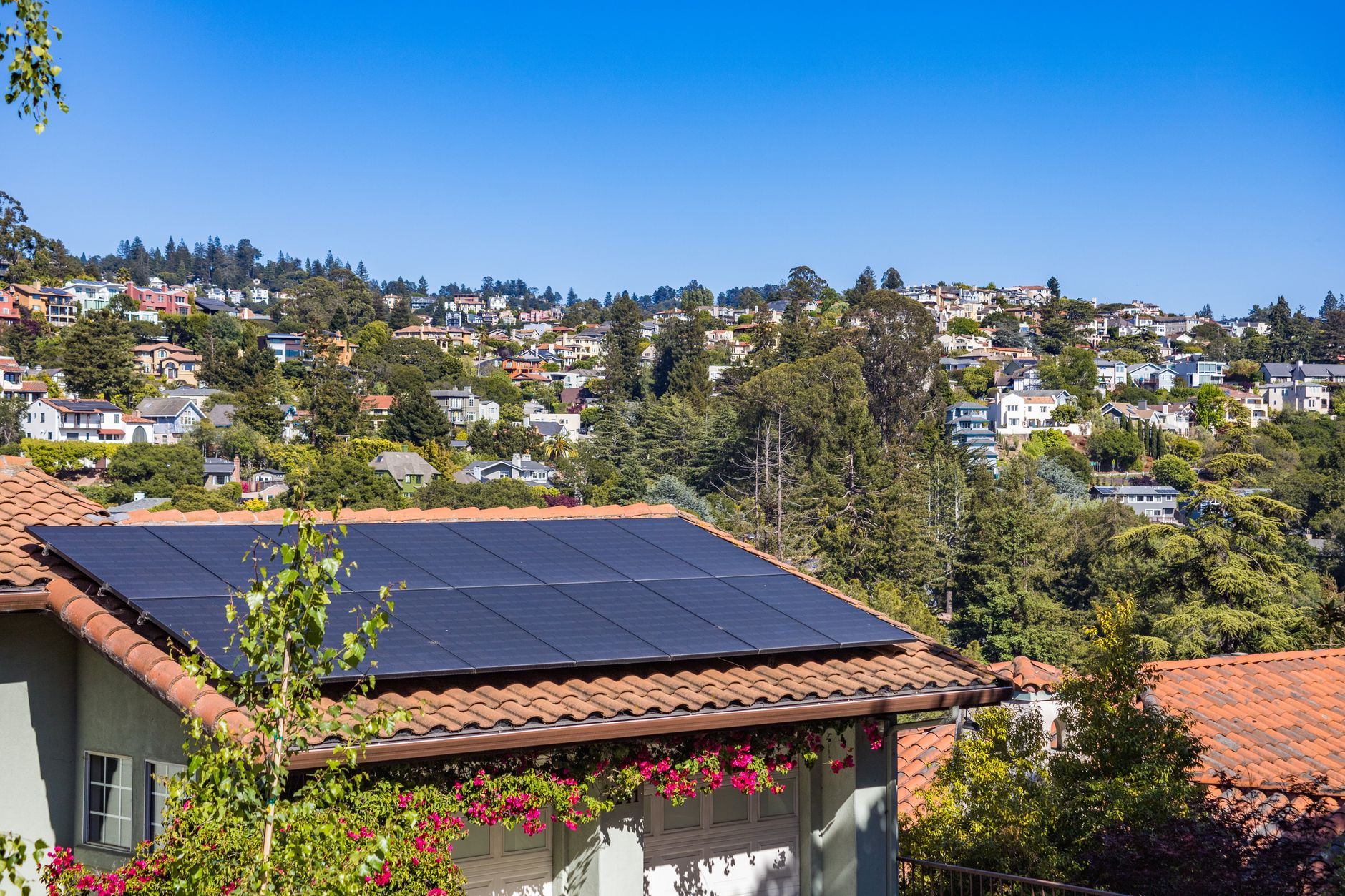
Panel tilt matters in Ontario. A fixed array at about 30 to 35 degrees works well for year round off-grid use. A steeper angle, around 55 to 65 degrees, captures more winter sun and sheds snow. Some owners adjust the tilt twice a year. Ground mounts make this easier. Roof mounts are cleaner but harder to clear after heavy snow. If your roof faces east or west, expect 10 to 20 percent less annual output than a south-facing array.
- Monocrystalline panels: best power per square foot
- MPPT charge controller: better cold weather harvest than PWM
- Pure sine wave inverter: clean 120V AC for electronics
- Fixed tilt: near latitude for annual output, steeper for winter gain
Does Wind Power Make Sense for Tiny Homes in Ontario?
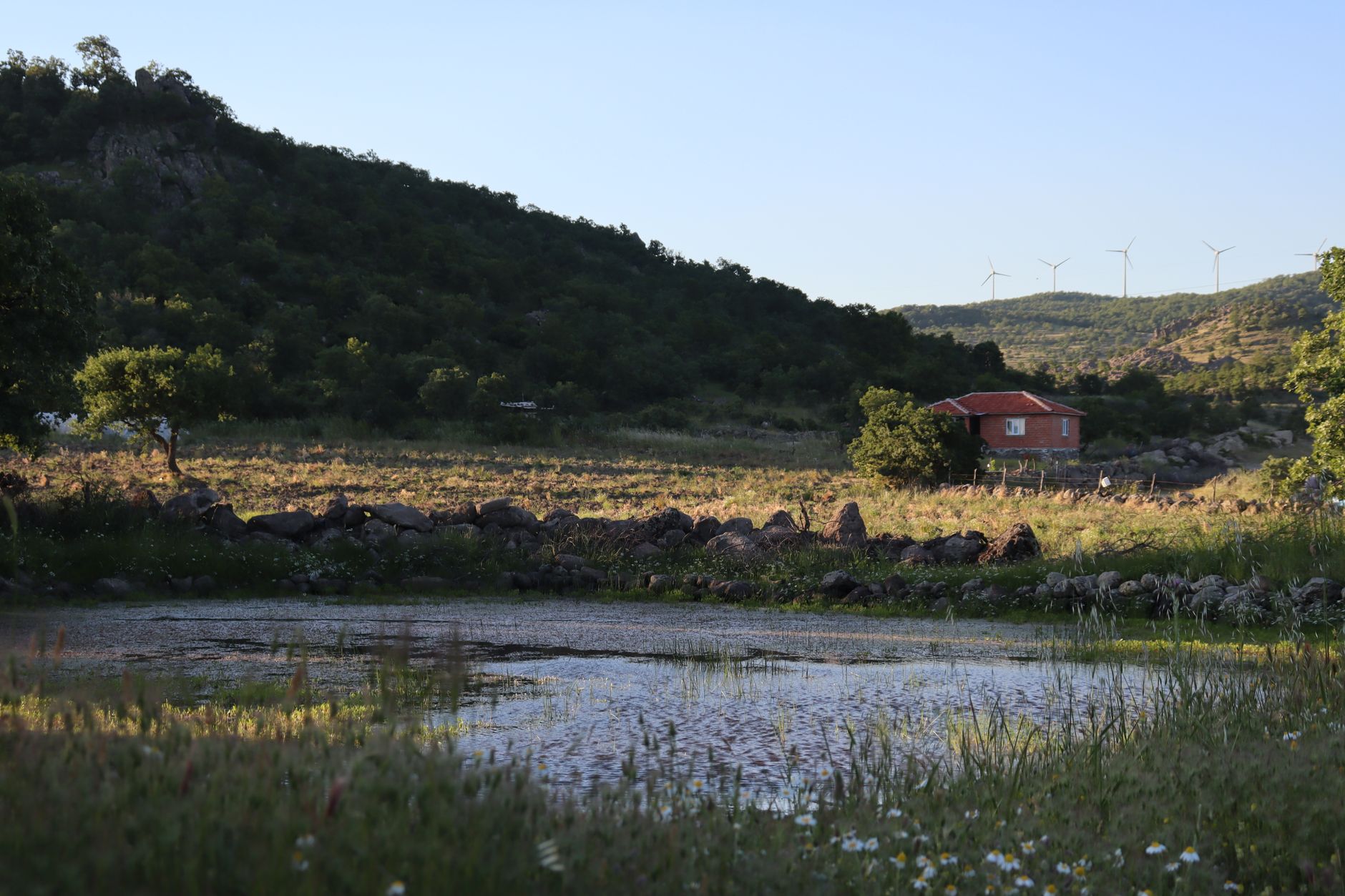
Small wind is site specific. A turbine needs clean air flow at hub height. Trees, buildings, and hills create turbulence. Turbulence reduces output and increases wear. Most small turbines need an average annual wind speed of at least 4 metres per second at hub height. Many perform best at 5 to 6 metres per second. The tower matters more than the turbine. A 1 kW turbine on a 9 metre tower may produce little in a treed backyard.
Solar and wind complement each other in some regions. Ontario winters can have stormy periods with wind but little sun. A small turbine may produce useful energy during those days. Small wind is less predictable than solar. A 1 kW turbine rated for 12 metres per second may average 100 to 300 watts over a day in a moderate site. That may not justify the cost. For most tiny homes, adding more solar and battery is cheaper than adding wind.
Wind also needs maintenance. Moving parts wear. Towers need anchors and clearance. Some small turbines are noisy. Others vibrate enough to bother a tiny home. Before buying, collect at least six months of wind data. Do not rely on airport data from a nearby city. A hand held anemometer on a temporary pole gives better local data. If the numbers do not hold up, skip wind and spend the budget on more solar panels.
- Minimum average wind speed: 4 m/s at hub height, ideally 5 m/s or more
- Tower height: at least 9 metres above nearby obstacles
- Maintenance: yearly inspection of blades, bearings, and tower bolts
- Typical cost: $8,000 to $15,000 for a small installed system
- Best use: a complement to solar in open rural sites with consistent wind
How Do Batteries Store Energy for Nighttime and Cloudy Days?
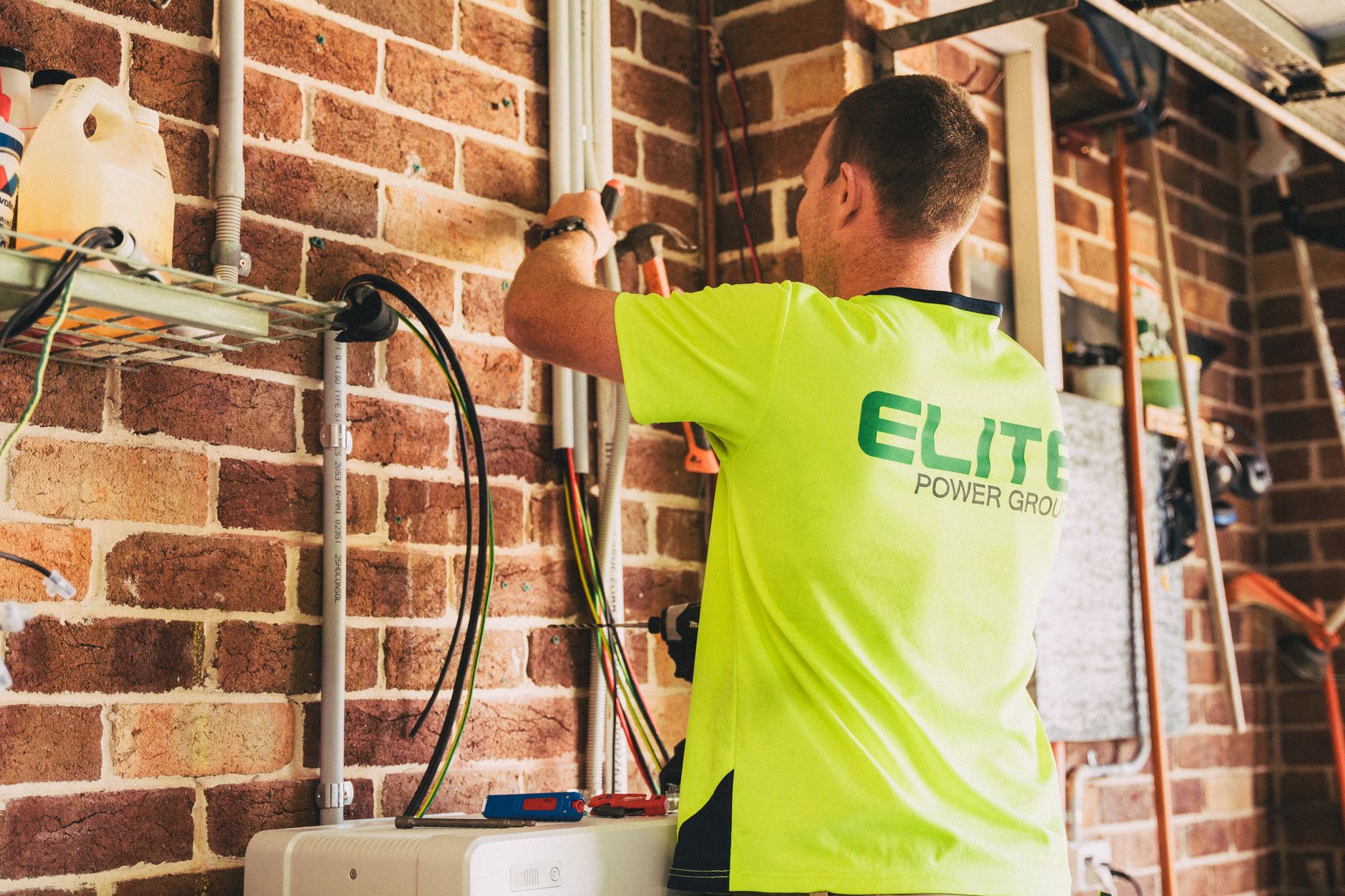
Batteries are the heart of an off-grid system. They carry you through nights and cloudy spells. Lithium iron phosphate cells are now the standard for tiny homes. They are lighter, deeper cycling, and safer than old flooded lead acid. A good lithium battery can handle 3,000 to 5,000 cycles at 80 percent depth of discharge. Lead acid batteries often last 500 to 1,200 cycles at 50 percent depth. Lithium costs more up front but lasts longer.
Battery sizing uses days of autonomy. Decide how many days you need without sun or wind. For Ontario winters, plan for 2 to 3 days of autonomy. A home using 5 kWh per day needs 10 to 15 kWh of usable storage. If you have a 15 kWh lithium bank, you can run essential loads through a two day storm. Add a backup generator for the third day. Compare larger systems in our guide to whole house battery backup.
Cold weather hurts battery performance. Lithium batteries should not charge below 0 degrees Celsius unless they have built in heaters. Place batteries inside an insulated mechanical closet. Use enclosures rated for the location. For smaller setups, a portable power station can power lights, a fridge, and a laptop, but it usually cannot handle a full tiny home.
Battery monitoring matters. A shunt based monitor shows state of charge, current, and remaining time. Voltage alone is not reliable for lithium. Check the battery management system for low temperature cut off, high voltage cut off, and cell balancing. These protections extend life. If the battery will live in an unheated shed, choose a model with a built in heater or add an insulated battery box with a small heat pad.
- LiFePO4: 3,000 to 5,000 cycles at 80 percent depth
- AGM lead acid: 500 to 1,200 cycles at 50 percent depth
- Autonomy: 2 to 3 days for Ontario winters
- Cold cut off: batteries need heating below 0 degrees Celsius
What Does a Complete Off-Grid Tiny Home System Cost in 2026?
Cost depends on load, location, and whether you install some parts yourself. Some owners do their own solar racking and basic assembly, but Ontario code requires a licensed electrical contractor for the final connection and inspection. Use these installed cost ranges for planning. A basic 5 kWh per day solar and battery system often costs $18,000 to $35,000 CAD. An all electric tiny home with a heat pump may reach $45,000 to $70,000.
Solar arrays cost about $2.80 to $4.50 per watt installed for small off grid projects. A 3 kW array costs roughly $8,400 to $13,500. Lithium storage adds $800 to $1,500 per kWh installed. That means a 10 kWh battery bank may cost $8,000 to $15,000. Inverter charger units run $2,000 to $5,000 depending on output. Mounting, wire, fuses, disconnects, and labour add $2,000 to $5,000.
Wind pushes the budget higher. A small 1 kW wind turbine with tower, base, inverter, and wiring often costs $8,000 to $15,000 installed. A backup generator is cheaper insurance. A small inverter generator can run $1,000 to $3,000. For hybrid system logic, think about the number of days you need backup. The table below shows typical component budgets.
Financing is easier for certified systems. Some lenders treat a permanent off grid system as a home improvement. Others want an ESA inspection report. Insurance companies may ask for a certificate of inspection before covering a tiny home with a battery bank. Keep your load audit, equipment list, and inspection records in one folder. That paper trail helps if you sell the home or make a claim.
How Do You Meet Ontario Electrical Code and ESA Requirements?
Off grid electrical work in Ontario falls under the Ontario Electrical Safety Code. The Electrical Safety Authority enforces it. You need an electrical installation permit for a permanent solar, battery, or wind system. A licensed electrical contractor must do the wiring. The ESA will inspect the installation. A final connection without an inspection can be unsafe and may affect insurance.
Use equipment certified for Canada. Look for CSA or cUL marks on panels, inverters, charge controllers, and batteries. The CSA Group publishes standards for power conversion equipment and battery systems. Not every online product meets Ontario requirements. A cheap imported inverter may lack the right certification. Your inspector can reject it.
Battery systems need safe clearances, ventilation, and a disconnect. Generator connections need a transfer switch or an interlock, unless you only use a portable generator with extension cords. Carbon monoxide safety still matters. Never run a generator inside a tiny home. Review generator safety tips before adding a backup engine.
Plan for annual maintenance. Tighten battery terminals. Check torque on electrical connections. Clean panels with water and a soft brush. Inspect roof penetrations and ground mount anchors. Test the generator monthly during winter. A well kept off grid system can last 15 to 25 years for panels, 10 to 15 years for lithium batteries, and 5 to 15 years for small wind turbines.
- File an ESA permit before work starts
- Use a licensed electrical contractor for permanent wiring
- Choose CSA or cUL certified equipment
- Install battery disconnects and correct fusing
- Keep generators outdoors, far from windows and vents
Frequently Asked Questions
Can I run a tiny home on solar alone in Ontario?
Yes, but you need enough battery storage and panel capacity for winter. Many systems still use a backup generator for long cloudy stretches. A solar-alone design should be sized for 2 to 3 days of autonomy.
How much battery storage do I need for winter?
Plan for 2 to 3 days of autonomy. A home using 5 kWh per day needs 10 to 15 kWh of usable storage. Lithium iron phosphate batteries work best in cold weather when housed in a heated or insulated space.
Is a small wind turbine worth the cost?
It depends on your site. You need an average annual wind speed of at least 4 metres per second at hub height. If the site is sheltered, more solar and battery is usually cheaper and more reliable.
Do I need a permit for an off-grid solar system in Ontario?
Yes. Permanent solar, battery, and wind installations require an electrical permit from the Electrical Safety Authority. A licensed electrical contractor must do the wiring and arrange inspection.
Can I use a portable power station instead of a full battery bank?
A portable power station can run lights, a fridge, and small electronics. It usually cannot power an entire tiny home with a heat pump or well pump. Larger systems need a fixed lithium bank and inverter charger.
What happens during several cloudy days?
Your battery bank carries the loads until it reaches its depth of discharge limit. Then you need a backup source. Most off-grid tiny homes use a small inverter generator to charge the batteries during long cloudy periods.
What Should You Remember?
- Start with a load audit: list running and starting watts for every device.
- Size solar for December, not for the annual average.
- Plan battery autonomy for 2 to 3 cloudy days in Ontario.
- Treat small wind as site-specific, not a guaranteed power source.
- Budget $18,000 to $35,000 CAD for a basic solar and battery system.
- Use CSA or cUL certified equipment and get an ESA permit before wiring.
- Install a backup generator for winter and follow carbon monoxide safety rules.
This article is for general information only. Always follow manufacturer instructions, local electrical codes, and hire a licensed electrician for transfer switches and standby generator installation. Carbon monoxide is deadly , never run a generator indoors.