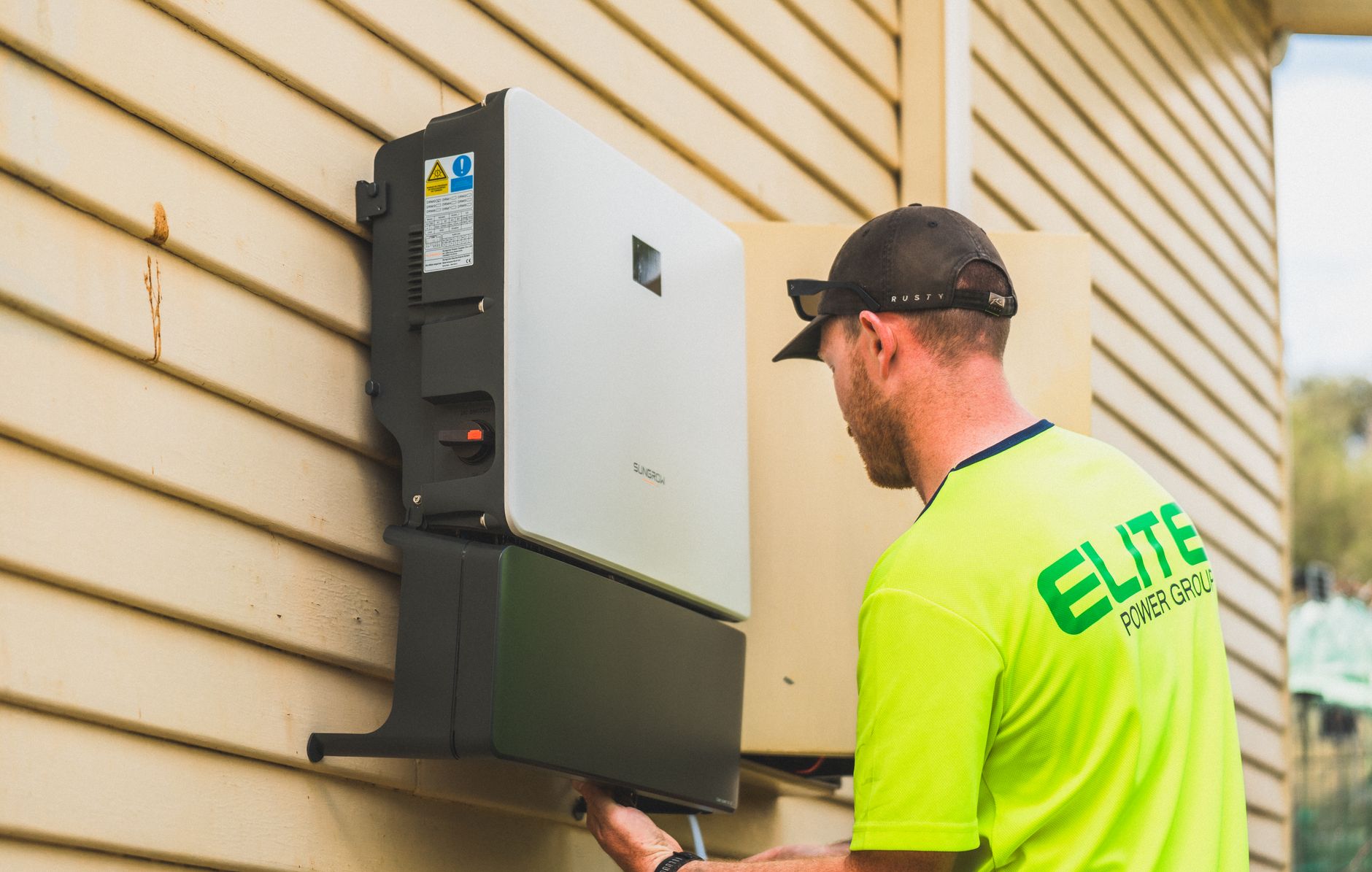
Ontario’s grid is reliable, right up until it is not. The May 2022 derecho knocked out power to more than a million Hydro One customers, and the spring ice storms since then have left rural households dark for days at a stretch. When that happens, the first question at the kitchen table is always the same. What can I actually plug in? A 1500 watt power station answers a big chunk of that question. It is small enough to carry, quiet enough to sit in a hallway, and strong enough to keep a fridge, a furnace blower, and a CPAP running through the night. If you have not prepped for a multi-day outage yet, start with our Ontario ice storm power outage prep guide and come back to this page.
The phrase 1500 watt power station is a category, not a product. Nobody sells a unit rated at exactly 1,500W any more. What you find instead is a cluster of 1,800W continuous units with 2,400W to 3,600W surge ratings and 1,000Wh to 1,500Wh batteries. The 1500 number stuck for two reasons. It is close to the ceiling of a standard 15-amp household circuit, and it is what people type into search boxes. That gap matters when you buy. An 1,800W-rated station plugged into a 15A breaker will trip that breaker long before it reaches its own output limit. Our portable power station buying guide walks through the wiring math in more detail.
We compared five units across the specs that actually decide whether an outage feels manageable or miserable. Continuous watts decide what starts and keeps running. Surge watts decide whether a compressor trips the inverter on startup. Usable watt-hours decide runtime, and that is not the number printed on the box. Inverter efficiency and practical depth of discharge typically cost you 10 to 15 percent right off the top. Recharge time decides how fast you recover between outages. Noise in dBA decides whether you can sleep in the same room. We also checked battery chemistry, cycle life, and whether the unit carries certification recognized in Canada. Sizing still comes first, so run your own loads on paper before you spend anything.
Be clear about the limits too. A 1500 watt power station will not run a 240V well pump, a central air conditioner, an electric range, or baseboard heat. Those loads either need 240V or draw three to five times the watts a unit in this class can supply. A single 1,500W space heater will flatten a 1,000Wh station in about 40 minutes. Anything hardwired to your panel needs a licensed electrician in Ontario, and the Electrical Safety Authority is the body that enforces those rules. Carbon monoxide is the other hard line. Battery stations produce none, but gasoline generators do, and Health Canada identifies CO as a leading cause of unintentional poisoning deaths in the country. Read our generator safety tips before storm season starts.
How Do the Top Options Compare?
| Model | Best For | Running / Surge Watts | Capacity | Fridge Runtime (est.) | Price |
|---|---|---|---|---|---|
| EcoFlow DELTA 2 | Best all-round pick | 1,800W / 2,700W | 1,024Wh LFP | About 17 hours | Check price |
| Jackery Explorer 1500 Pro | Best for long fridge and CPAP runtime | 1,800W / 3,600W | 1,512Wh LFP | About 25 hours | Check price |
| Bluetti AC180 | Best fast recharge | 1,800W / 2,700W | 1,152Wh LFP | About 19 hours | Check price |
| Anker SOLIX C1000 | Best lightweight option | 1,800W / 2,400W | 1,056Wh LFP | About 18 hours | Check price |
| EcoFlow DELTA 3 | Best for expanding later | 1,800W / 3,600W | 1,024Wh LFP, expandable to about 5kWh | About 17 hours | Check price |
No prices are listed because they move week to week, and a stale dollar figure is worse than none. Fridge runtime estimates assume a compressor drawing 120W to 180W with a one-in-three duty cycle and roughly 15 percent lost to inverter inefficiency. Furnace estimates assume a 600W to 800W blower cycling at the same duty cycle. Wattage, surge, and capacity figures come from manufacturer specifications and are rounded. All five units use lithium iron phosphate (LFP) cells, which hold up better than older NMC packs in cold Ontario garages and carry longer cycle ratings.
1. EcoFlow DELTA 2 , Best all-round 1500W class pick
EcoFlow’s DELTA 2 is the unit most Ontario homeowners end up buying, and the specs explain why. It holds a 1,024Wh LFP battery and puts out 1,800W continuous with a 2,700W surge. X-Boost mode lifts purely resistive loads to 2,200W, so a hair dryer or a small kettle will run. Motor loads get no such help. A fridge or a sump pump that spikes past 2,700W on startup will trip the inverter and force a manual reset. The LFP cells are rated for 3,000 cycles down to 80 percent capacity, which works out to roughly eight years of daily cycling. Look for units carrying certification recognized in Canada, since the CSA Group publishes the standards that cover battery and generator safety in Canadian homes. Check the EcoFlow DELTA 2 on Amazon.
Runtime is where this class shows its limits. Figure about 870Wh of usable energy once you account for inverter losses. A modern fridge draws 120W to 180W while the compressor runs, with a duty cycle near one in three, so the average pull lands around 50W. That gives you roughly 17 hours of refrigeration. A gas furnace blower is the harder load. A typical PSC blower motor pulls 600W to 800W, and at a one-in-three duty cycle in mild weather that average sits near 200W, so the same station runs a furnace for four to five hours. Our breakdown of how long a power station can run a refrigerator has the full math for both loads.
Recharge speed is the DELTA 2’s other strength. It reaches 80 percent in about 50 minutes from a wall outlet and 100 percent in roughly 80 minutes, so a lunch break on a shared circuit refills it. Noise stays under 50 dBA at loads beneath 1,000W. Push it to the full 1,800W and fan noise climbs toward 55 dBA. That is still well below the 65 to 70 dBA a portable gasoline generator produces at 23 feet, and you can hold a normal conversation next to it.
Two things to know before buying. The unit weighs about 27 pounds, which is carryable but unpleasant on a staircase during freezing rain. And 1,024Wh is the smallest battery in this comparison. If your real goal is running a furnace blower through a two-day ice storm, capacity rather than wattage is what will send you shopping again.
Key strengths:
- ✅ Delivers 1,800W continuous and 2,700W surge, enough to start most household fridges and freezers.
- ✅ Recharges to 80 percent in about 50 minutes on a standard 15A household circuit.
- ✅ LFP battery rated for 3,000 cycles, so calendar life is not a real concern.
- ✅ Runs under 50 dBA at normal loads, quiet enough to keep inside the house overnight.
- ✅ Wide outlet selection including USB-C PD, so phones and laptops charge without extra adapters.
- ❌ X-Boost does not help motor loads, so high-surge pumps and compressors can still trip it.
- ❌ 1,024Wh packs less runtime than competing units with the same wattage rating.
- ❌ 27 pounds gets heavy if you have to move it between floors mid-outage.
Who it’s for: The right pick if you want one quiet, fast-recharging unit for fridge, lights, internet, and phone charging through a one to two day Ontario outage.
2. Jackery Explorer 1500 Pro , Best for long fridge and medical device runtime

Jackery built this one around capacity. The Explorer 1500 Pro carries a 1,512Wh LFP battery, the largest in this group, and pairs it with an 1,800W continuous inverter and a 3,600W surge. That surge rating is the highest here and it matters for compressors. A fridge, a chest freezer, or a 1/3 HP sump pump can all start without the inverter shutting down. Three AC outlets share 1,800W combined, so running a fridge and a furnace blower at the same time works as long as the total stays under the ceiling. Check the Jackery Explorer 1500 Pro on Amazon.
Usable energy lands near 1,285Wh after inverter losses. That is roughly 25 hours of fridge runtime at a 50W average draw, the longest in this comparison. For medical gear the numbers look even better. A CPAP machine without a heated humidifier pulls 30W to 50W, so this station runs one for 25 to 40 hours depending on pressure settings and ambient humidity. Add the heated humidifier and that collapses to under 10 hours, which is the trap most buyers fall into. Our guide to emergency power for medical equipment covers the humidifier problem and how to plan around it.
Recharging takes longer than the EcoFlow units. Expect about two hours to full on AC, which is still respectable for a battery this size. Solar input runs up to 800W, so two or three 200W panels can refill it across a decent day of sun. That makes it a workable part of a longer outage plan if you already store panels or plan to buy them.
The trade-offs are weight and flexibility. At just under 40 pounds it is the heaviest unit here and you will not want to carry it one-handed up basement stairs. The bigger battery also pushes it above the others on cost, though prices move constantly. And unlike the expandable DELTA 3, there is no battery expansion path at all. What you buy on day one is what you own in year five.
Key strengths:
- ✅ 1,512Wh capacity delivers roughly 25 hours of refrigerator runtime, the longest here.
- ✅ 3,600W surge starts compressors and pumps that trip smaller inverters on startup.
- ✅ Handles a CPAP for 25 to 40 hours as long as you skip the heated humidifier.
- ✅ 800W solar input allows a full recharge from panels during a long summer outage.
- ✅ LFP chemistry with a long cycle rating and zero maintenance requirements.
- ❌ Just under 40 pounds, which is a lot of battery to move during a storm.
- ❌ No battery expansion path, so capacity is fixed for the life of the unit.
- ❌ Two-hour AC recharge is slower than the fastest units in this class.
Who it’s for: Best if you are running a fridge plus a CPAP or another medical device and want the longest runtime per charge.
3. Bluetti AC180 , Best for fast recharge and overnight quiet
Bluetti’s AC180 sits mid-pack on capacity but leads this group on recharge speed. The 1,152Wh LFP battery accepts up to 1,440W from a wall outlet, which fills it to 80 percent in about 45 minutes and to 100 percent in roughly an hour. Nothing else here charges that fast on AC. Output is 1,800W continuous with a 2,700W surge, plus a Power Lifting mode that pushes resistive loads higher than the base rating. Check the Bluetti AC180 on Amazon.
There is a catch buried in that charge rate. Pulling 1,440W at 120V means drawing about 12 amps. On a 15A circuit with a fridge, a chest freezer, or a space heater already running, you will trip the breaker. Charge it on a circuit you know is nearly empty, or dial the rate down in the app first. That flexibility applies on the output side too. A silent mode caps charging speed and fan noise for overnight use in a bedroom, which is worth more than it sounds during a winter outage.
Runtime tracks capacity closely. Usable energy is roughly 980Wh, so a fridge averaging 50W runs about 19 hours, and a 600W furnace blower cycling one in three runs about five hours. At roughly 35 pounds it sits between the light units and the Jackery. Fan noise is low under light load and clearly audible above 1,500W, but nothing like a gasoline generator in the driveway.
The main limitation is platform longevity. Bluetti refreshes its lineup often, and accessories plus firmware attention tend to follow the newest models. The 1,152Wh capacity also sits awkwardly in the middle. It is more than you need for lights, phones, and a router, and less than you want for a two-day furnace scenario in January.
Key strengths:
- ✅ Fastest wall recharge here, reaching 80 percent in roughly 45 minutes.
- ✅ 1,800W continuous with 2,700W surge covers fridges, freezers, and most small pumps.
- ✅ Adjustable charge rate prevents breaker trips on shared household circuits.
- ✅ Silent mode cuts fan noise for bedroom and overnight operation.
- ✅ LFP cells with a long cycle life and no maintenance.
- ❌ 1,152Wh capacity runs out faster than the Jackery under sustained heavy load.
- ❌ Full-speed AC charging can trip a 15A breaker if the circuit is shared.
- ❌ 35 pounds makes frequent one-person moves awkward.
Who it’s for: Pick this if you want the shortest possible recharge window between outages and can live with mid-range capacity.
4. Anker SOLIX C1000 , Best lightweight 1800W station
Anker came into this category late and arrived with a strong spec sheet. The SOLIX C1000 holds a 1,056Wh LFP battery and delivers 1,800W continuous with a 2,400W surge, or up to 3,000W for resistive loads through SurgePad. It weighs about 26.5 pounds, the lightest unit here with a full 1,800W inverter. That combination makes it the easiest one to actually carry to a basement, a cottage, or a neighbour’s house during an outage.
Recharge time is competitive at under an hour to full on AC. Anker also sells an expansion battery that doubles capacity to just over 2,100Wh, which is unusual at this weight. Runtime on the base battery works out to about 18 hours on the fridge test and around four to five hours on a cycling furnace blower. Noise is the standout claim, with low-load operation rated near 30 dBA. In practice you hear almost nothing once the load drops below a few hundred watts, which is quieter than any furnace in the house.
Surge is the weak point. At 2,400W it is the lowest rating in this comparison, and SurgePad only lifts resistive loads, not motors. A fridge with a hard-start compressor or a sump pump with a locked rotor can trip it on startup. If your outage plan includes anything with a big motor, the Jackery or the DELTA 3 handles that startup better. For lights, phones, laptops, a router, and a modern fridge with a soft-start compressor, it is plenty.
Accessory support is thinner than EcoFlow or Jackery, so third-party panels and cables take a little more research before you buy. That is a minor annoyance rather than a dealbreaker.
Key strengths:
- ✅ About 26.5 pounds, the lightest full 1,800W station in this group.
- ✅ Rated near 30 dBA at light load, quiet enough to sit beside in a bedroom.
- ✅ Under an hour to full charge on a standard household outlet.
- ✅ Optional expansion battery doubles capacity without buying a second station.
- ✅ Solid app control with scheduling and adjustable charge-rate limits.
- ❌ 2,400W surge is the lowest here, so hard-starting motors can trip the inverter.
- ❌ 1,056Wh base capacity is modest for outages lasting more than a day.
- ❌ Smaller accessory line than EcoFlow or Jackery for panels and cables.
Who it’s for: Best for apartment, condo, and cottage owners who need something light enough to move easily and quiet enough to live beside.
5. EcoFlow DELTA 3 , Best for expanding capacity over time
The DELTA 3 is the newest unit in this group and by far the most flexible. It ships with a 1,024Wh LFP battery, the same capacity as the DELTA 2, but it accepts add-on batteries that take total storage to roughly 5kWh. Output is 1,800W continuous and 3,600W surge, matching the Jackery on startup capability. It recharges to full in about 56 minutes on AC. If you are not ready to spend on a permanent home battery, this is a way to build capacity in steps as your budget allows. Check the EcoFlow DELTA 3 on Amazon.
The case for expansion is simple. One unit covers a fridge, lights, internet, and phones. Add a battery and you move into small home battery territory, running a furnace blower plus a fridge for a day or more without recharging. That path costs far less than a wall-mounted system, and it travels with you when you move. If you want to compare it against a permanent install, our guide to whole house battery backup lays out the differences in cost, wiring, and backup duration.
Performance on the base battery tells the same story as the DELTA 2. About 870Wh usable, roughly 17 hours of fridge runtime, and four to five hours on a cycling furnace blower. Noise is low, with quiet operation rated around 30 dBA at light load. The LFP cells are rated for roughly 4,000 cycles, which is more than most owners will ever come close to using.
Expansion is not cheap. A single extra battery can cost close to what you paid for the base station, so a 3kWh setup lands in a different budget bracket entirely. Every battery you add also adds weight and bulk, and the stack stops being something you tuck under a shelf. Buy the base unit only if you genuinely plan to expand later. Otherwise the DELTA 2 gets you identical capacity for less.
Key strengths:
- ✅ Expandable to roughly 5kWh with add-on batteries, the only unit here that grows with you.
- ✅ 1,800W continuous and 3,600W surge handles compressors and small pumps.
- ✅ Full recharge in about 56 minutes on a standard outlet.
- ✅ LFP cells rated around 4,000 cycles with quiet operation near 30 dBA.
- ✅ Same footprint as the DELTA 2, so it fits where that one already fits.
- ❌ Extra batteries cost enough to rival the base unit’s own price.
- ❌ Stacked batteries make the setup heavy and genuinely hard to relocate.
- ❌ Base capacity of 1,024Wh is no better than the older DELTA 2.
Who it’s for: Choose this if you want to start small and add capacity over several years instead of buying a permanent home battery now.
Frequently Asked Questions
What can a 1500 watt power station actually run?
It runs a refrigerator, freezer, gas furnace blower, sump pump, lights, internet router, TV, laptops, and phones. Total connected load must stay under about 1,800W continuous, and any single motor load must stay under the surge rating, usually 2,400W to 3,600W.
How long will a 1500 watt power station run a refrigerator?
A 1,000Wh station runs a typical fridge for about 17 hours. A 1,500Wh station gets roughly 25 hours. That assumes a 120W to 180W compressor cycling on a one-in-three duty cycle and about 15 percent lost to inverter inefficiency.
Can a 1500 watt power station run a furnace?
Yes, if the furnace is a natural gas or propane model with a standard blower. A 600W to 800W blower cycling one-third of the time averages about 200W, so a 1,000Wh station lasts four to five hours. Electric furnaces and heat pumps are out of reach.
Can a 1500 watt power station run a well pump?
Almost never. Most Ontario well pumps are 240V and draw 1,500W to 2,500W running, with startup surge three to four times higher. A small 120V jet pump rated under 1,000W running is the only realistic case, and even then the starting surge may trip the inverter.
Do I need a transfer switch or an electrician in Ontario?
Not for plug-in use. Running an extension cord from a power station is fine. Anything hardwired to your panel, including a transfer switch or an inlet box, requires a licensed electrician and a permit in Ontario. The Electrical Safety Authority enforces those rules.
Are power stations safe to use indoors?
Yes. LFP power stations produce no carbon monoxide, so they can run inside a house while you sleep. Keep them out of damp basements and away from space heaters. Gasoline generators are the opposite and must never run indoors, in a garage, or near a window.
What Should You Remember?
- 1,800W is the real number. Almost every unit sold as a 1500 watt power station delivers 1,800W continuous with a 2,400W to 3,600W surge.
- Capacity decides runtime, not wattage. Expect about 17 hours of fridge runtime from 1,000Wh and about 25 hours from 1,500Wh.
- Surge ratings protect motor loads. Fridges, freezers, and sump pumps spike hard on startup, so a 3,600W surge is worth paying for.
- Match the circuit before you charge. The fastest units pull 12 to 13 amps on AC, which trips a shared 15A breaker every time.
- 240V loads are off the table. Well pumps, central air, electric ranges, and baseboard heat need a different class of equipment entirely.
- Expansion beats buying twice. A station with add-on batteries lets you grow capacity over years without replacing the whole unit.
- Safety rules do not bend. Battery stations are safe indoors. Gasoline generators never are.
This article is for general information only. Always follow manufacturer instructions, local electrical codes, and hire a licensed electrician for transfer switches and standby generator installation. Carbon monoxide is deadly , never run a generator indoors.